Table of Contents
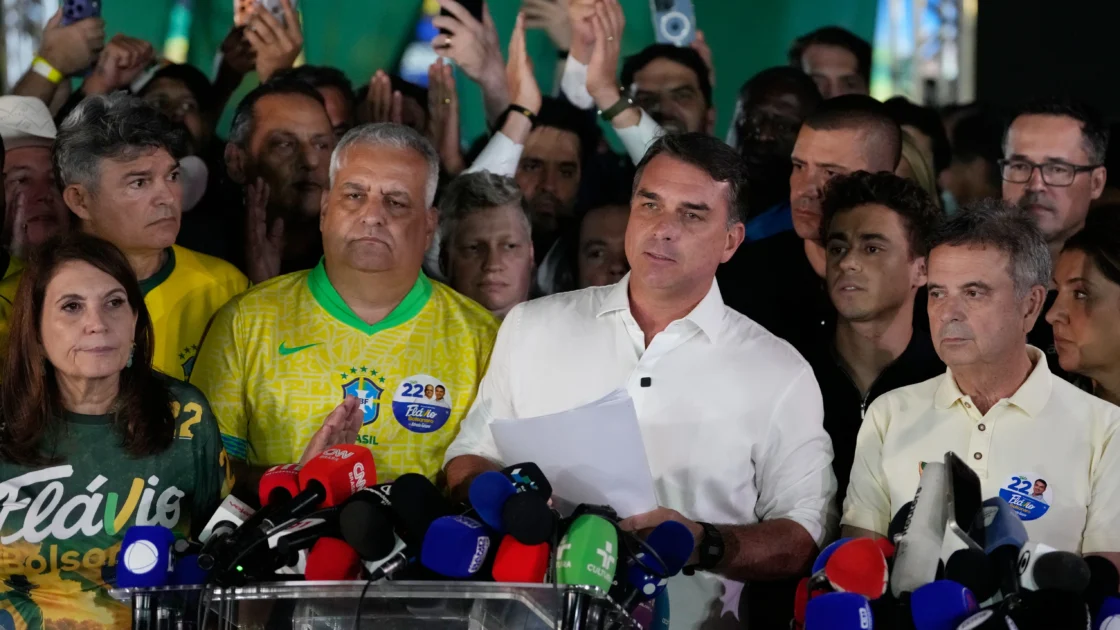
Brazil’s Liberal Party has acknowledged the results of the presidential election, recognizing incumbent President Luiz Inácio Lula da Silva’s victory, though defeated candidate Flávio Bolsonaro has yet to formally concede. Party President Valdemar Costa Neto stated that the organization recognizes the outcome while maintaining that questions raised regarding the vote still require clarification.
Electoral Challenges and Trump’s Comments
The party’s concession arrived as former U.S. President Donald Trump questioned the legitimacy of the election during a press briefing, characterizing it as a rigged contest without presenting any evidence of fraud. Flávio Bolsonaro initially stated an intention to seek the annulment of the vote based on alleged irregularities, which included a last-minute extension of voting hours.
The Supreme Court ordered polling stations to remain open for two additional hours until 7 p.m. on Sunday, following a request from Lula’s campaign citing public transportation disruptions. Bolsonaro’s campaign had also requested an extension due to heavy rain in southern Brazil.
In a recorded video released on Monday, Bolsonaro altered his approach by announcing he would seek to disqualify Lula’s victory over alleged abuses of political and economic power, asserting that the competition was unfair, though he offered no evidence. In the same video, Bolsonaro reported that the Federal Police instructed him to surrender his passports following a visit to his father, former President Jair Bolsonaro, in Brasília.
The elder Bolsonaro, a former far-right leader, is currently under house arrest following a 27-year prison sentence for his involvement in a 2022 coup attempt against Lula. Flávio Bolsonaro stated that officers intercepted him on the street to demand his passports and prohibit him from leaving the country, noting the order from Supreme Court Justice Alexandre de Moraes stemmed from remarks made by his brother Eduardo regarding potential relocation to the U.S.
Lula’s Victory and Voter Turnout
Lula secured just over 51 percent of the valid votes, representing approximately 64.2 million ballots, compared to more than 48 percent, or nearly 59.8 million votes, for Bolsonaro. This outcome represents a significant political comeback for Lula, who trailed his challenger in the initial round and halted a series of right-wing electoral successes across Latin America.
Celebrations for Lula’s victory spread throughout Brazil on Sunday night, with supporters gathering near downtown Rio de Janeiro to sing the national anthem and celebrate. Strong performances in major metropolitan areas like Rio de Janeiro and São Paulo, combined with backing from younger, older, and working-class voters, allowed Lula to overcome his first-round deficit.
During his victory speech in São Paulo, Lula expressed gratitude to the Brazilian populace and specifically thanked young citizens for mobilizing to protect the country’s democracy. First-time voter Brisa Pereira, 17, noted that Lula’s journey from an impoverished factory worker to the presidency served as an inspiration, while also expressing the sentiment that younger generations possess rights and refuse external influence.
Lula amassed more than 10 million additional votes compared to the first round through increased turnout and support from voters who previously backed alternative candidates or abstained. Thiago Vidal, a political analyst with Prospectiva consultants, described the outcome as a systemic and nationwide victory that surpassed initial polling expectations.
Political Outlook and Digital Campaign Strategy
While the decisive margin provides Lula with a clear mandate, Vidal noted that the next four years will present difficulties due to significant gains by the Liberal Party in Congress, resulting in a conservative opposition and a divided electorate. Vidal added that the campaign taught Lula valuable lessons regarding voter communication, particularly through the adoption of a more digital strategy in the final weeks.
This communication shift was largely attributed to Congressman André Janones from Minas Gerais, who managed Lula’s online outreach via Instagram and WhatsApp. Janones utilized platforms to engage younger demographics, creating a WhatsApp channel titled “Lula’s Army” that gathered over 10 million followers.
Celebrating the election results on Instagram, Janones highlighted the campaign’s core message by stating that nothing rivals the power of a united populace.