Table of Contents
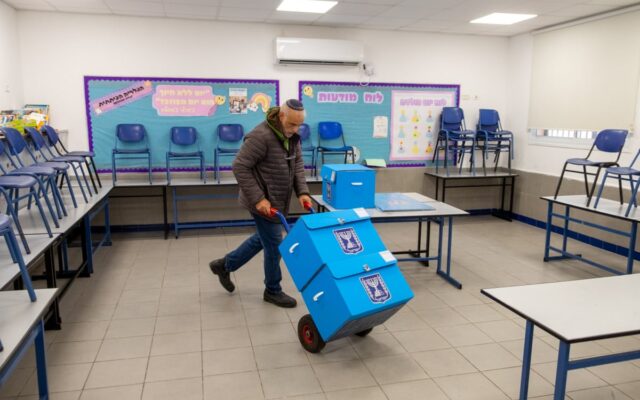
Israel is preparing to hold pivotal elections on Tuesday in what many citizens consider the most consequential vote in the nation’s recent history following years of war. Prime Minister Benjamin Netanyahu faces a major challenge from former military chief Gadi Eisenkot, though determining the ultimate winner may take weeks or months.
Key Candidates and the Coalition Process
Rather than casting direct ballots for prime minister, voters in Israel choose among roughly a dozen political parties competing for 120 seats in the parliament, known as the Knesset. The candidate who successfully builds a governing coalition of at least 61 lawmakers will take office.
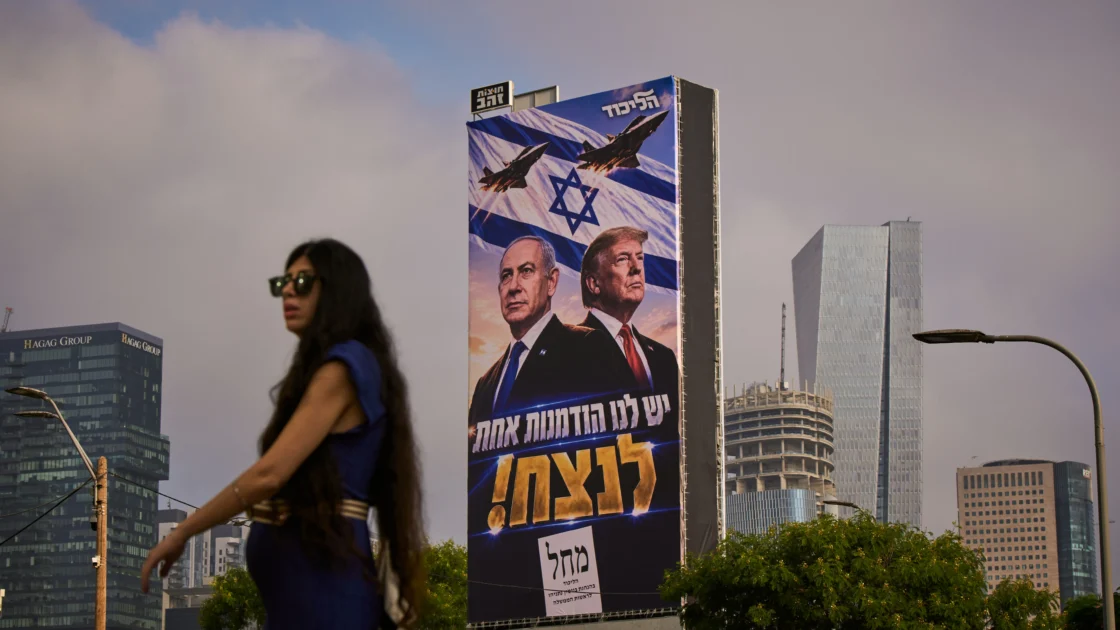
Netanyahu, the longest-serving prime minister in Israeli history, is seeking another term as head of a right-wing coalition that includes ultra-Orthodox factions alongside far-right leaders Itamar Ben-Gvir and Bezalel Smotrich. Campaigning on his military record through three years of regional conflict and highlighting his endorsement from U.S. President Donald Trump, Netanyahu has placed confronting Iran at the center of his platform.
His principal challenger, Eisenkot, is making his first run for prime minister at the head of Yashar, a new center-right party. Eisenkot, whose son Gal was killed during fighting in Gaza, has pledged not to join any government led by Netanyahu. Although recent polling shows Eisenkot with the strongest opportunity to replace the incumbent, neither major political bloc appears assured of securing a parliamentary majority.
Predominantly Arab political parties could also impact the outcome, including the United Arab List, known as Ra’am, which previously joined a ruling coalition in 2021. Ra’am expressed willingness to work with main Jewish parties to address crime, housing, and infrastructure for Israel’s Arab minority. However, major Jewish political factions remain hesitant to rely on Arab parties, which could prevent the anti-Netanyahu bloc from securing the necessary 61 seats, as reported by NPR.
Major Issues Shaping the Vote
The election focuses heavily on national security and accountability following the October 7, 2023 attacks, which resulted in approximately 1,200 deaths and 251 hostages taken. While Netanyahu has resisted calls for a state commission of inquiry into the political and security failures surrounding the attack, Eisenkot and other opposition figures have promised to launch an official inquiry shortly after taking office.
Military conscription represents another critical point of contention. Extended conflict across multiple fronts has placed heavy demands on active troops and reservists, prompting military leaders to request additional personnel. Eisenkot supports expanding military service to include ultra-Orthodox Jewish men, whereas Netanyahu relies on ultra-Orthodox political parties for support and opposes mandating their enlistment.
The candidates also hold opposing views on the judiciary and foreign policy. Netanyahu previously supported measures to reduce the authority of the supreme court, triggering massive public protests, while his far-right partners advocate renewed efforts to weaken the judiciary. In contrast, Eisenkot supports maintaining an independent court system. On international matters, Netanyahu argues that military strength improves Israel’s global standing, while Eisenkot warns that continued diplomatic isolation damages the country’s security and economy.
Their strategies for the West Bank differ as well. Netanyahu’s coalition partners advocate for expanding settlements and annexing land. Eisenkot opposes construction in sensitive locations such as the E1 area near Jerusalem and advocates taking stronger action against settlement outposts that violate Israeli law.
Potential Post-Election Scenarios
Because no single party is expected to capture an outright majority, several scenarios could unfold once voting ends. Eisenkot’s allies could attempt to govern through a minority coalition supported by Arab parties, or the two primary candidates could form a broad unity government, despite Eisenkot’s public refusal to serve under Netanyahu.
Another possibility involves Netanyahu negotiating a plea agreement regarding his ongoing corruption trial, stepping down as prime minister to take a senior ministerial role under Eisenkot. Should negotiations deadlock entirely, Netanyahu would remain as caretaker prime minister until repeat elections are held next year.
Even if Eisenkot cannot assemble a coalition immediately, a parliamentary majority opposed to Netanyahu could move to elect a new Knesset speaker, establish an October 7 inquiry commission, and pass legislation regarding military draft policies. Meanwhile, campaign materials from Netanyahu’s Likud party have raised scenarios suggesting the election could be stolen, pointing toward potential political tension after the vote.