As heat deaths, droughts, and food insecurity accelerate worldwide, nearly 150 researchers from more than 30 countries are calling for climate change to be declared a global health emergency. The health and economic tolls of planetary heating have risen sharply in the decade since nations signed the Paris climate accord, a landmark deal previously hailed by the World Health Organization as a vital public health agreement.
Climate-Linked Health Harms Growing Rapidly
According to the annual Lancet Countdown on Health and Climate Change, climate change caused more than half a million heat deaths in 2023 alone and nearly 3 million since 2016. Heat was responsible for 68% of heat-related deaths between 2016 and 2023, up from 55% in the previous decade, with the yearly increase in climate-driven heat deaths more than doubling over the same timeframe. Alan Dangour, director of climate and health at the Wellcome Trust, stated that the world must change course and put human health and well-being at the heart of climate responses, measuring success through lives saved rather than emissions targets.
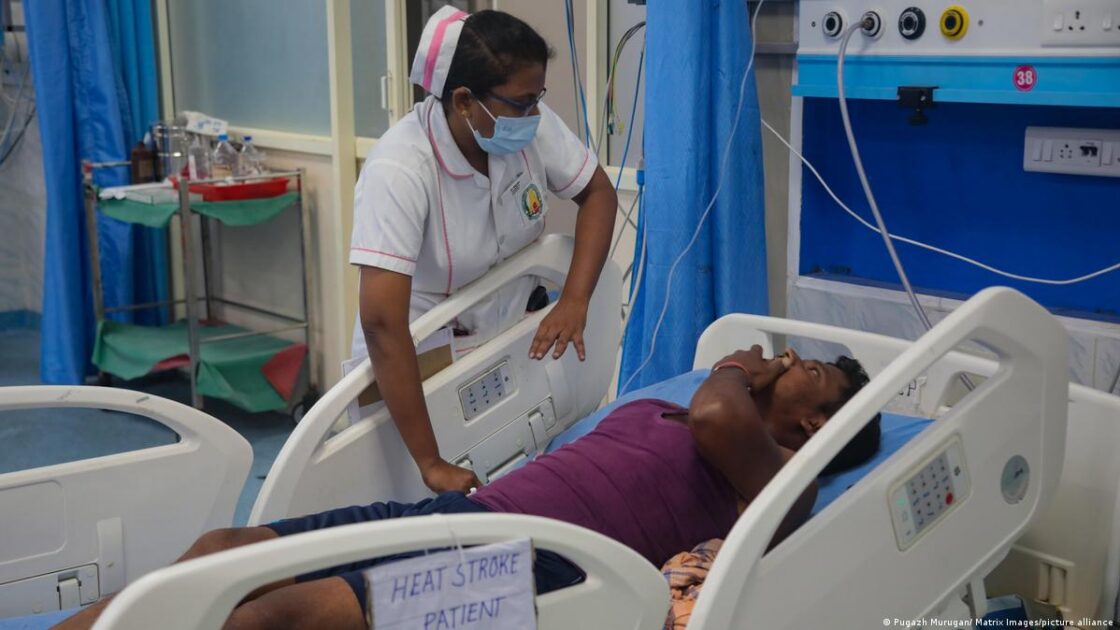
Ollie Jay of the University of Sydney noted that deaths are merely the tip of the iceberg, with heatstroke, lost sleep, and worsening chronic health conditions lurking beneath the surface. The economic harms are also mounting, as heat wiped out 573 billion potential working hours in 2025, heavily impacting farmworkers. Marina Romanello, executive director of the Lancet Countdown, told journalists at a press briefing that vulnerable economies in Africa and South-East Asia suffered losses reaching 5% of GDP, compared with 0.5% in developed economies.
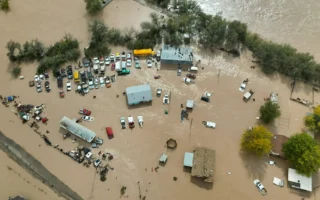
Satellite data further reveal that 43% of the world’s land has been steadily drying out since 2003, while 37% has been getting wetter, threatening crops, food supplies, and sanitation. These extremes pushed nearly 128 million more people into food insecurity in 2024 compared to the 1981–2010 average.
The Case for a Global Health Emergency
To protect human health, experts are urging the creation of a new instrument through the United Nations to help countries share information, coordinate responses, monitor threats, and disburse funds. While the WHO maintains a Public Health Emergency of International Concern mechanism, Romanello explained that it focuses on short-term emergencies rather than a complex, sustained global threat requiring multi-sector action.
Despite some progress—such as early warning systems reducing adverse impacts, renewable energy preventing an estimated 323,000 deaths a year from fossil fuel air pollution, and 56 countries adopting national health adaptation plans—the overall transition remains too slow. Fossil fuels still supply over 80% of the world’s energy, and energy-related emissions reached a record high in 2024.
Governments continue to support fossil fuels with net subsidies doubling to $6.2 trillion since 2016, with 10 countries spending more on these subsidies than on their entire health systems in 2024. Romanello compared continued fossil fuel investments to betting on obsolete business models, while noting that developing countries receive only a fraction of the $3.3 billion they need annually for health system adaptations, exacerbated by foreign aid reductions from the US and Germany.
Helen Clark, former prime minister of New Zealand and chair of the Lancet Countdown’s board, stated that the report serves as a stark warning and that what is currently missing is the political will to act on the evidence.