Table of Contents
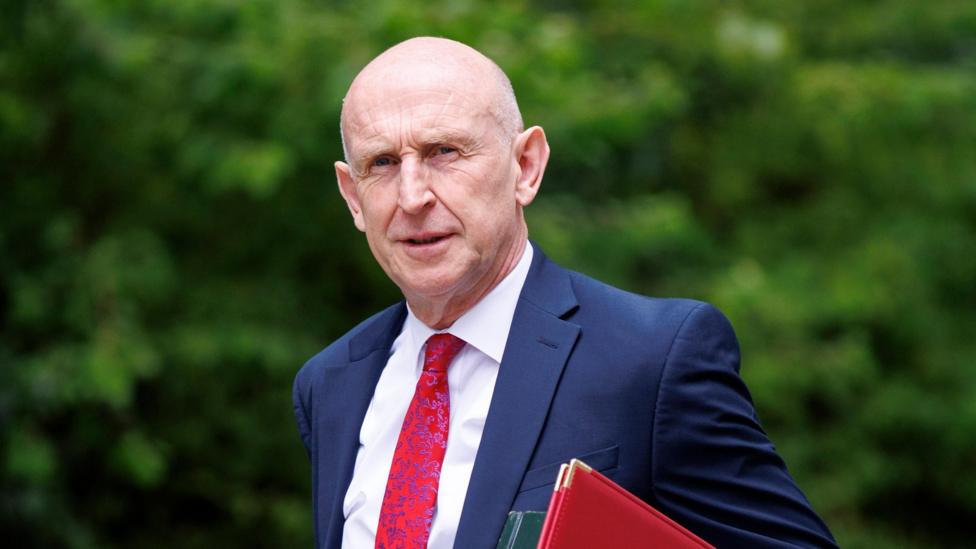
As Chancellor John Healey prepares to deliver his upcoming fiscal statement, the new government faces a challenging balancing act between its political ambitions and severe economic constraints. The administration’s core philosophy centers on using the state to drive improvements in people’s lives, yet it must operate under the weight of generationally high taxes, soaring national debt, and rising energy costs.
Balancing Constraints and Ambitions
Reflecting on the fiscal climate, Chancellor Healey noted last month that the financial resources available to previous governments in the 1990s are absent today, stating that Britain has it harder now. Days before taking office, Andy Burnham described the political moment as the most significant in 40 years. However, Helen Miller, director of the Institute for Fiscal Studies (IFS), pointed out that the relatively new government faces a long list of constraints, some self-imposed and others worsened by global events like the war in the Middle East.
While various political voices in Westminster debate whether spending less and lowering taxes should take priority, many within the Labour Party maintain that the government must actively step in to foster change. Delivering a proactive state proves difficult, however, when inflation remains higher than expected and energy bills climb.
Targeted Support and Devolution Plans
Ministers maintain that the government is not powerless, with anticipated cost-of-living support expected to target the most vulnerable. Healey stated an intention to initiate long-term action to reduce energy costs permanently, with banks bracing for a potential levy or surcharge to help fund these measures. In addition, the government will announce further defense spending, though a detailed plan to commit 3% of national income to security by 2030 will wait until next year’s Spending Review.
Devolution will also form a central pillar of the plans. The chancellor told BBC Newscast that there will be a really radical devolution of powers and resources to local leaders who are often better placed to navigate departmental systems. Nevertheless, critics in Westminster worry that additional funding for local government and mayors lacks adequate checks and balances to guarantee responsible spending.
Economic Indicators and Opposition Criticism
The chancellor is expected to highlight signs of economic resilience, pointing to better-than-expected growth and productivity alongside lower unemployment. Conversely, the Resolution Foundation noted that conflict in the Middle East has driven up energy prices and interest rates once again, threatening household and public finances with another shock.
Faced with these pressures, the upcoming fiscal package is anticipated to be smaller in scale regarding tax and spending modifications. Healey has emphasized a desire to offer breathing space and hope, acknowledging the limits of government intervention amid self-imposed pledges not to raise income tax, national insurance, or VAT.
Opposition figures have already voiced skepticism regarding the scope of the package. Conservative shadow chancellor Andrew Griffith argued that public finances sit on a cliff edge, urging Healey to make tough decisions. Liberal Democrat Daisy Cooper warned against a steady-as-she-goes approach, while Reform UK’s Robert Jenrick stated the chancellor cannot keep fiddling while the economy burns, and Green Party MP Ellie Chowns expressed fear that the approach will merely be business as usual.