Table of Contents
Israel’s general election stands as the first since the Hamas attack on October 7, 2023, an assault that triggered a major security crisis and regional conflict. As Prime Minister Benjamin Netanyahu fights to keep power, the vote raises questions about how Israel’s next government will handle the ongoing crisis and the war with Iran.
The U.S. Factor and Israeli Political Landscape
US President Donald Trump recently expressed strong support for Netanyahu, calling him a warrior prime minister and warning that any other leader could harm the alliance with Washington. Trump stated in an online post that if Israel chose anyone other than Netanyahu, the United States would be forced to handle the Iran conflict independently, a task he was not inclined to take on. Media reports from The Financial Times previously indicated tension between Jerusalem and Washington over military plans, though The Jerusalem Post later reported the army lacked specific directives for such operations.
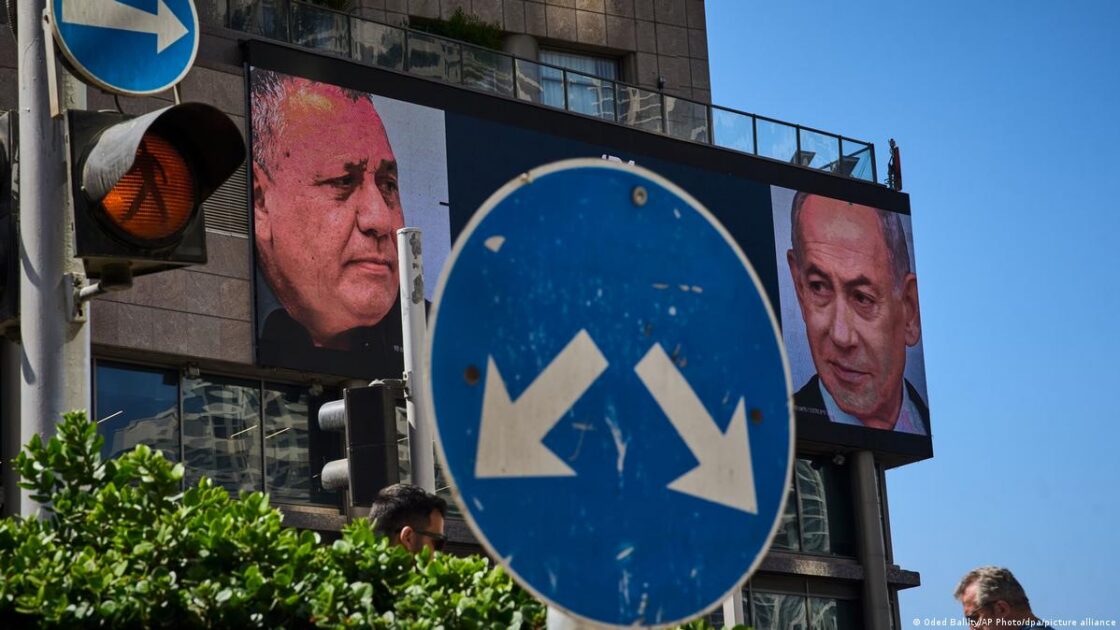
In the domestic race, Netanyahu faces a tight challenge from his main rival, Gadi Eisenkot, a former Israel Defense Forces chief of staff and leader of the centrist party Yashar. However, Raz Zimmt, head of the Iran program at the Tel Aviv-based Institute for National Security Studies (INSS), told Deutsche Welle: DW.com that political divisions between the candidates are not wide enough to alter Tel Aviv’s fundamental approach toward Tehran. Zimmt noted that factions across Israel’s political spectrum share similar views on the Iranian threat, and any military escalation ultimately depends on the U.S. president rather than Israel’s prime minister.
INSS senior fellow Danny Citrinovitcz also stated to Deutsche Welle: DW.com that major policy changes should not be expected regardless of the election outcome, noting that Netanyahu’s influence and established policies will persist even if he steps down.
The Turning Point of October 7
The shared consensus on Iran stems from the Hamas attack three years ago. Navid Toobian from the Middle East Media Research Institute told Deutsche Welle: DW.com that prior to the assault, many believed Israel could manage the Islamic Republic through limited containment of its proxy network. However, the attack demonstrated that Tehran is fully committed to striking Israel, shattering previous assumptions.
Damon Golriz, a researcher at the Hague Institute for Geopolitics, told Deutsche Welle: DW.com that the assault caused deep historical trauma in Israel. Continued threats and nuclear ambitions from Iran have reinforced fears, making Tehran a symbol of existential danger for much of Israeli society.
According to Golriz, current U.S. and Israeli strategies follow three vectors: removing regime leaders, causing industrial and infrastructural collapse, and fostering civil war alongside ethnic separatism to fracture Iran. Meanwhile, Reuters reported that senior Iranian security officials stated Tehran has prepared retaliatory plans, including targeting undersea communication cables in the Persian Gulf and regional data centers.
Prospects for Diplomacy
Discussing potential diplomatic alternatives, Golriz highlighted a previous opening six months ago in Islamabad, where Tehran agreed not to initiate war against Israel. He described the agreement as a historic moment where Iran and the U.S. addressed fundamental Israeli security interests, noting that the framework could have ended anti-Israel and anti-American slogans if political will had sustained it.
Citrinovitcz offered a less optimistic view regarding Israeli willingness to pursue diplomacy, telling Deutsche Welle: DW.com that returning to a nuclear deal currently holds no place in Israel’s political arena.