Table of Contents
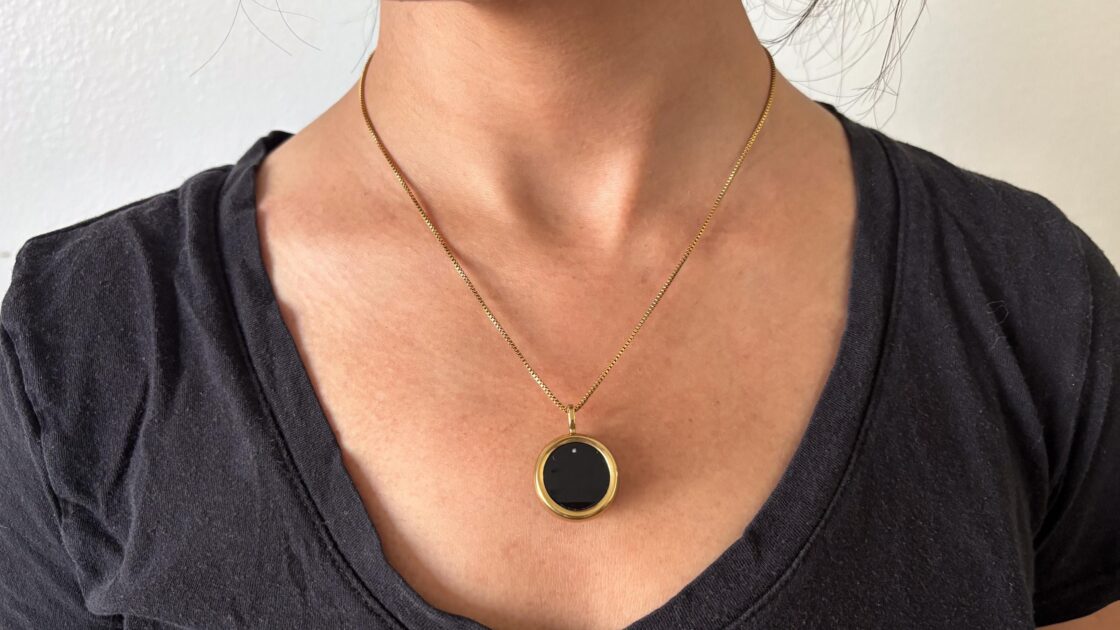
A new wearable device called the Gem, created by wellness technology company The90, aims to help users monitor their daily sun exposure by directly measuring ultraviolet radiation. Retailing for $249, the necklace tracks real-time UV exposure to encourage healthier sun habits beyond standard aesthetic concerns, according to hands-on testing by The Verge.
Real-World Sunlight Exposure and Health Impact
During an outdoor event in Los Angeles in 90-degree Fahrenheit temperatures, testing by The Verge demonstrated how environmental factors impact UV absorption. Despite sitting beneath a patio umbrella with a high-powered fan, the wearer began experiencing symptoms of heat exhaustion, including dizziness, nausea, and severe fatigue. At the same time, the Gem companion app issued a alert warning that total UV exposure had reached elevated levels.
The incident highlighted that traditional patio shade does not fully block UV radiation, as rays scatter and reflect off surrounding objects. The experience also prompted further investigation, revealing that certain prescription medications can heighten heat sensitivity. The device encouraged greater daily awareness around hydration, limiting outdoor activity during peak sun hours, and recognizing subtle physical warning signs in extreme weather.
Hardware Design and App Functionality
The Gem features a modular, circular pendant crafted from titanium with options for gold or silver finishes. The package includes a matching chain, an inductive charging dock, and a battery engineered to last approximately one full week per charge. The manufacturer also plans to release additional accessories, including a hat clip and a bag tag, to accommodate users who prefer non-necklace carrying options.
Unlike standard atmospheric reporting that relies on broad local weather forecasts, the Gem houses dedicated onboard hardware that measures UVA and UVB wavelengths independently. UVB rays contribute to sunburns and stimulate natural vitamin D synthesis, whereas UVA rays penetrate deeper to cause long-term skin damage and premature aging. The companion smartphone app uses these hardware measurements alongside a customizable skin profile—incorporating skin tone, sunscreen application, clothing cover, and personal sensitivity—to estimate overall impact.
The app generates several metrics, including daily target Sun Scores, accumulated UVA exposure, skin aging risk warnings, personalized sunscreen reapplication reminders, circadian light insights, and estimates for natural vitamin D production. The Sun Score rates daily solar exposure on a scale aiming for a balanced score of 90, helping users avoid both extreme sun deficiency and excessive UV damage.
Performance Flaws and Environmental Tracking
Testing confirmed that the hardware responded rapidly when transitioning between direct sunlight, shaded outdoor spaces, and indoor environments near windows. However, the system presents technical limitations. Because the physical pendant lacks internal data storage, the mobile application must continuously run in the background on the paired smartphone, or tracking data will be missed during disconnected periods.
The device also revealed unexpected gaps in routine solar exposure, showing surprisingly low UVB absorption even for individuals living in sun-drenched regions. This discrepancy is partly influenced by natural skin melanin levels, which offer partial defense against UV damage while simultaneously slowing vitamin D synthesis. Despite these analytical insights, the app’s predictive countdown timers for sunburn risk and vitamin D goals proved erratic during testing, frequently shifting from several hours to under an hour within short intervals due to fluctuating light intensity.
While priced high at $249 outside of promotional discounts, the Gem operates without any ongoing subscription fees. The Verge concluded that while minor app instability and missing onboard storage affect precision, the device effectively shifts user focus toward broader physical wellness and informed daily sun exposure.