Iranian media suggested that explosions heard in southern Iran were linked to domestic military activities rather than U.S. strikes. Meanwhile, both nations reported that multiple ships had been struck in or near the crucial Strait of Hormuz.
Explosions and Shipping Incidents
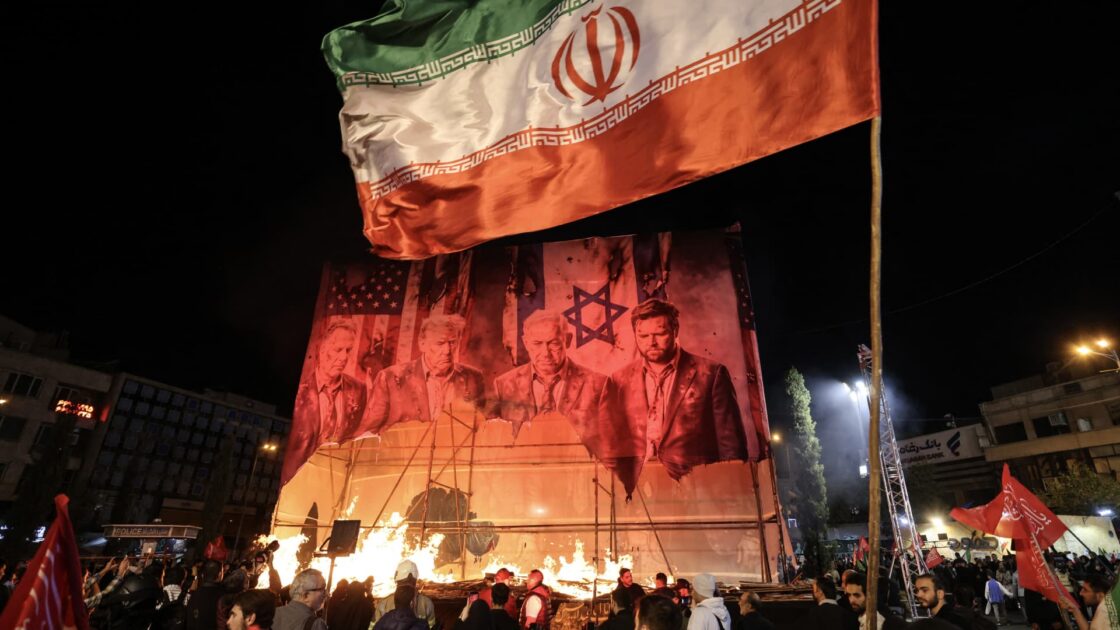
Iran’s state television reported that officials had not confirmed any missile strikes on Iranian territory despite blasts echoing across several areas, including Qeshm Island. State television later indicated the evening explosions might stem from Iranian military operations in the waterway, noting that two vessels struck mines and a third caught fire. The Tasnim news agency reported two missiles hitting Qeshm Island, though no official details on damage emerged, and neither nation commented on the report. U.S. and Israeli attacks on Iran began in February, prompting Tehran to target vessels in the Strait of Hormuz to disrupt Gulf energy exports, while U.S. forces initiated a blockade on Iranian ports in April.
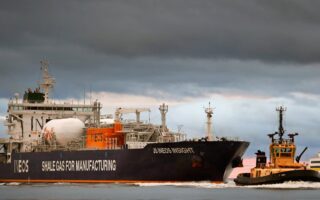
The U.S. military stated that its air force targeted the stern of a commercial vessel in the Gulf of Oman, disabling the ship as it attempted to bypass the blockade. Additionally, Iran’s Revolutionary Guards Navy announced that two oil tankers caught fire after striking mines while navigating an unauthorized route in the Strait of Hormuz, with Fars news agency reporting an explosion on a third tanker. United Kingdom Maritime Trade Operations monitors reported an incident involving a bulk carrier and military forces roughly 18 nautical miles east of Khor Fakkan in the United Arab Emirates, leaving damages unclear.
Regional Escalation and Diplomatic Efforts
The conflict expanded as Saudi Arabia’s energy ministry reported that an administrative building owned by state oil company Saudi Aramco in Riyadh sustained damage from falling debris following an attempted attack, causing no injuries. This incident followed an escalation this month involving Yemen’s Iran-aligned Houthi movement and Saudi Arabia. Despite the ongoing hostilities, Qatar denied reports that the United States and Iran failed to secure a deal, stating that the Qatari prime minister confirmed both sides are pressing forward with negotiations.
A senior Iranian official told Reuters that Tehran submitted a nuclear proposal to Washington via Qatar, though discussions hinge on Washington addressing seven demands from Tehran, including sanctions relief, access to frozen assets, and war reparations. Conversely, Washington maintains that nuclear matters must be addressed in initial talks. Concurrently, the U.S. military announced the creation of a task force to intercept advanced weapons and sanctioned materials moving to Iran through land borders and the Caspian Sea. Iran’s Revolutionary Guards rejected the initiative as ineffective wordplay, asserting that Tehran had coordinated preparations with neighboring countries.