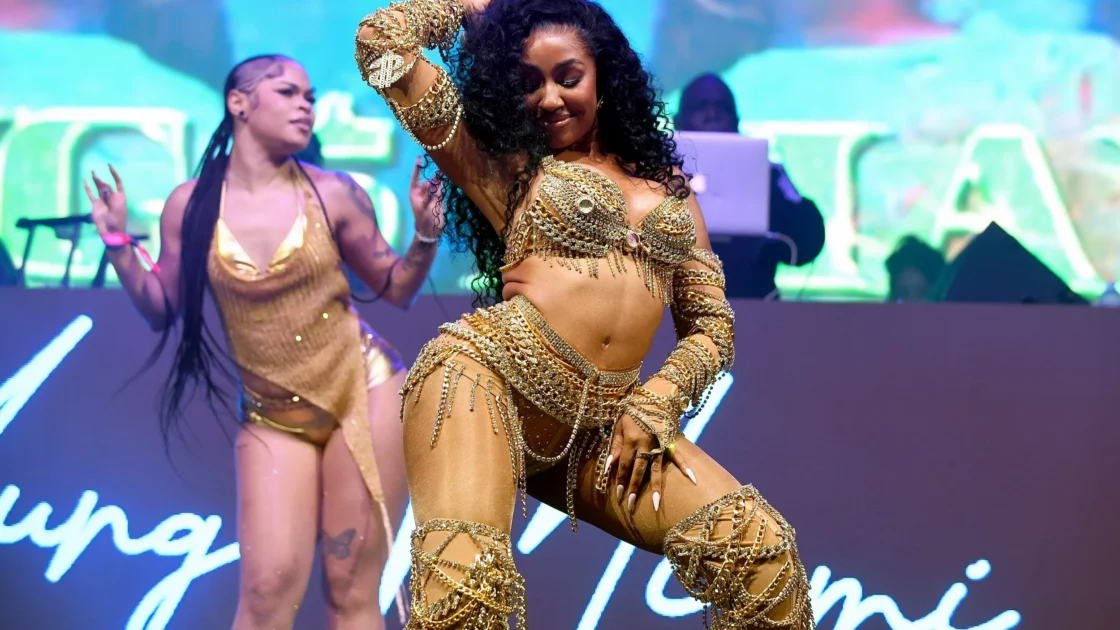
Music journalist Rodney Carmichael examines Yung Miami’s hit song “Spend Dat” as a cultural and financial indicator of America’s modern grift economy. Released as a Billboard-charting track, the song captures the complex intersection of consumption, corruption, and late-stage capitalism.
The Politics of Consumption in Commercial Rap
While critics often lament the perceived lack of political messaging in modern commercial rap, the politics of consumption and corruption remain prominent. “Spend Dat” functions as a get-money flex celebrating scammers and boosters, while simultaneously reflecting the punishing economic realities of contemporary capitalism. The track serves as an inflation indicator and an anthem for an era defined by financial charades.
The music video channels early-2000s strip club culture, a time when making it rain symbolized selling the American dream. This imagery resonates differently in an era of digital prediction markets for democracy and expansive buy-now, pay-later loans that deepen consumer debt.
Public Backlash and Cinematic Parallels
The track drew widespread public backlash, including a boycott call from singer India.Arie, who argued that media consumption directly influences behavior. Around the same time, Boots Riley’s fictional film I Love Boosters debuted on streaming platforms. The movie follows Keke Palmer as a booster selling high-end stolen clothing, illustrating through a Marxist lens how petty retail disruption functions as a cog in global capitalism.
As Riley noted in an interview on Novara Media’s podcast Downstream, art that mirrors the status quo acts as an uncritical regurgitation of elite indoctrination rather than benign representation. Addressing the criticism during an appearance on “The Breakfast Club” following the song going platinum, Yung Miami defended “Spend Dat” as inspirational music designed to motivate listeners to succeed within existing systems.
Ultimately, the song captures a culture where marginalized groups have embraced mainstream metrics of success. In a landscape marked by prediction markets, predatory loans, surging inflation, and tech billionaires, an ode to the hustle economy mirrors the broader American experience.