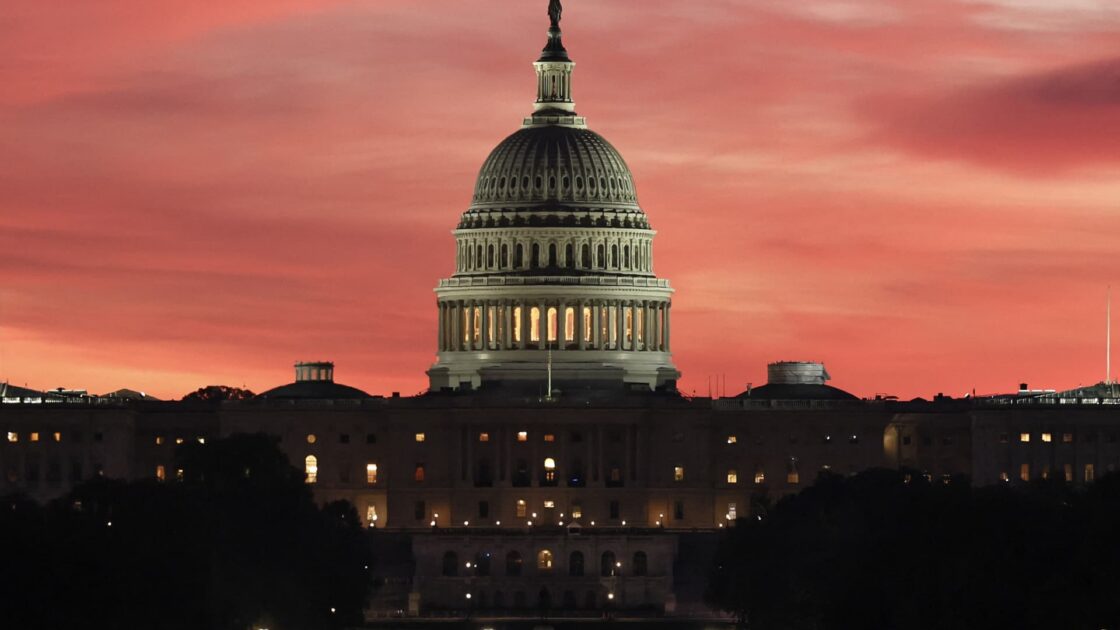
The cryptocurrency industry is bracing for a period of regulatory uncertainty following the latest U.S. election results. While the incoming Congress is set to feature a record number of lawmakers identified as pro-crypto, the shift in political power has left market participants and industry leaders evaluating the potential impact on future legislation.
Industry Perspectives on Legislative Shifts
Kara Calvert, vice president of U.S. policy at Coinbase, noted that the election cycle has produced a historic change in the composition of the legislative branch. She stated that the 120th Congress is expected to include a higher number of new pro-crypto members than any previous freshman class. According to Calvert, the industry maintains a bipartisan focus, emphasizing that the future of finance should not depend on a single political party or election outcome. She added that both Democrats and Republicans recognize the importance of clear regulations for consumer protection and domestic innovation.
Data from the advocacy nonprofit Stand With Crypto indicates that as of Thursday morning, 19 candidates labeled as pro-crypto were elected to the Senate, compared to eight candidates categorized as anti-crypto. In the House of Representatives, 228 pro-crypto candidates secured seats, while 106 were identified as anti-crypto. Additionally, the super PAC Fairshake, which supports pro-crypto candidates across party lines, has reportedly won 29 of the 34 races in which it invested, as reported by Reuters.
Regulatory Outlook and Market Volatility
Despite the influx of supportive lawmakers, some industry leaders anticipate delays in major legislative efforts. Dante Disparte, chief strategy officer at Circle, highlighted the company’s commitment to working with new leadership in both chambers but noted that achieving legislative clarity may take more time. Joseph Chalom, CEO of Sharplink, suggested that while the Clarity Act might remain stalled through 2028, there is still a viable path for stablecoin development and the tokenization of public equities under existing SEC innovation exemptions.
Chalom emphasized that technological advancements in the sector are difficult to reverse once their benefits, such as reduced costs and faster settlement times, become apparent to institutions and investors. However, analysts warn that investors should prepare for near-term market volatility as the industry adjusts to potential regulatory changes under the new Congress.
James Butterfill, head of research at CoinShares, noted that the impact of the election results will likely vary across different assets. He explained that U.S. crypto equities, particularly those dependent on new regulatory permissions, may experience higher sensitivity than bitcoin. Conversely, established and compliant operators could potentially benefit from increased scrutiny of their competitors, and miners with existing data center infrastructure may see continued demand from AI hyperscalers.