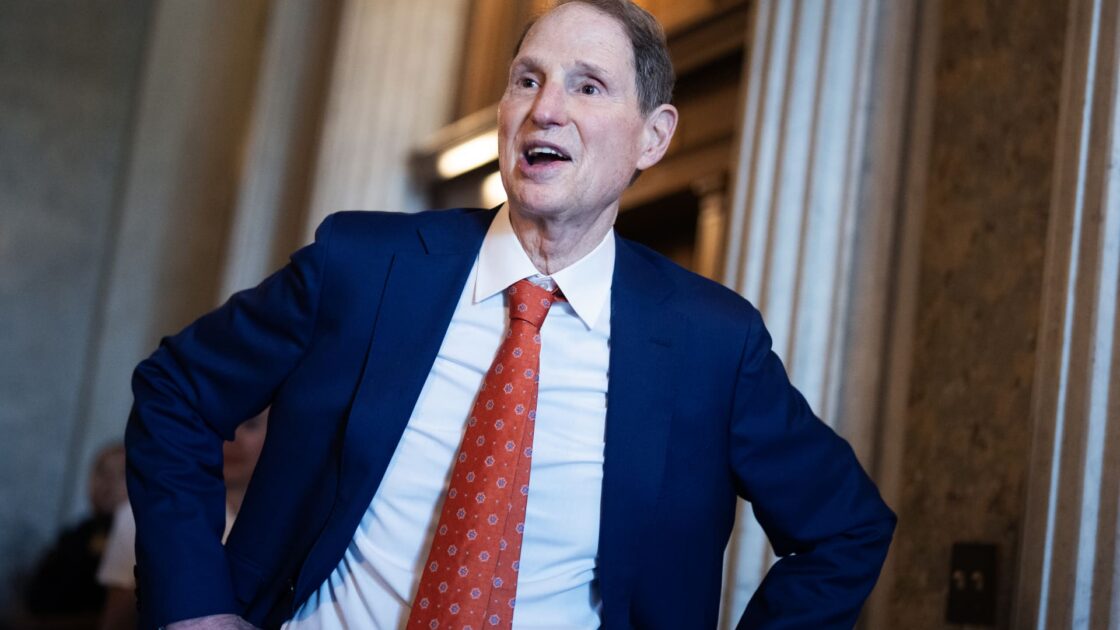
Recent electoral shifts have revitalized discussions regarding national tax policies aimed at the wealthy. Senator Ron Wyden, a Democrat from Oregon who is poised to lead the Senate Committee on Finance, has signaled that his committee will prioritize ensuring that billionaires and corporations contribute their fair share to the tax system.
Legislative Outlook
While tax experts speaking to CNBC suggest that significant wealth tax hikes are unlikely to pass during the current term due to the potential for a presidential veto, these proposals remain critical indicators of the Democratic Party’s long-term agenda. Justin Miller, a partner and national director of wealth planning at Evercore Wealth Management, noted that while these measures may not become law in the next two years, they provide insight into what could be prioritized should there be a change in administration.
Wyden emphasized the committee’s commitment to accountability, stating, “On taxes, the committee will redouble its efforts to ensure billionaires pay their fair share and hold tax cheats accountable. Democrats will spearhead a tax agenda that puts American families first and requires the ultra-rich and corporations to pay their fair share.”
Ending the Carried Interest Loophole
One prominent proposal is the Ending the Carried Interest Loophole Act, introduced earlier this year by Wyden and Senator Angus King, an Independent from Maine. This bill seeks to eliminate a tax break that allows fund managers to have a portion of their profits taxed at lower capital-gains rates, provided the investments are held for at least three years. The legislation would reclassify these profits as ordinary income and mandate that managers pay taxes on deemed compensation annually.
Joshua Odintz, a partner at Holland & Knight and former tax counsel for the Senate Committee on Finance, noted that this issue has been debated for nearly two decades. He suggested that the provision might face increased scrutiny as Congress looks for ways to bolster the Social Security trust fund. Odintz added that such a change is more likely to occur within a larger budget reconciliation bill, where lawmakers can balance various trade-offs, rather than as a standalone piece of legislation.
Taxing Large Trust Assets
Another proposal under consideration is the Fair Trusts for Fiscal Responsibility Act, introduced by Senator Patty Murray, a Democrat from Washington. This bill targets trusts that are currently used to minimize or avoid estate and gift taxes. It proposes a graduated annual tax on trust assets exceeding $50 million, with rates reaching up to 3% for assets valued above $1 billion.
The act would implement a withholding-credit system, allowing taxes paid annually to be credited against future estate or generation-skipping taxes. David Blum, chair of Akerman’s national tax practice group, stated that this proposal warrants close attention because it would fundamentally alter estate planning for ultra-high-net-worth individuals if it gains momentum.
However, some experts remain skeptical about the feasibility of the proposal. Miller suggested that the implementation of such a complex system is unlikely, noting that it might be more realistic for the United States to adopt periodic taxation models similar to those used in the United Kingdom or Canada, which tax trust assets at set intervals rather than through a continuous annual levy.