Table of Contents
A new study published in The Lancet Global Health reveals that a vast majority of adolescents worldwide are not meeting the World Health Organization’s (WHO) recommended daily exercise levels. Researchers found that only about 14% of teens get the suggested hour of moderate-to-vigorous physical activity each day, with one in four reporting no such activity at all throughout the week.
Global Trends and Regional Disparities
The WHO recommends that adolescents engage in at least 60 minutes of physical activity daily, such as brisk walking or sports, to support healthy development. However, data collected from over 3 million teens across 140 countries over the past 15 years shows that progress has stalled. Fiona Bull, head of the physical activity unit at the WHO and a co-author of the study, described the findings as disappointing, noting that the trend has remained flat for over a decade. She emphasized that current approaches are insufficient to change these habits.
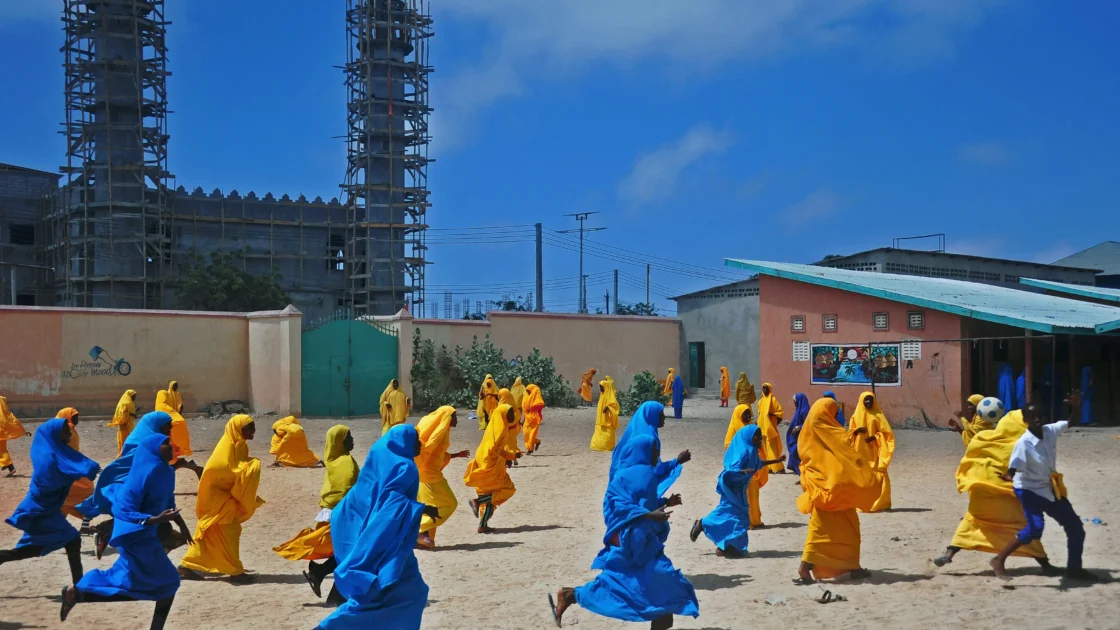
The study indicates that adolescents in low- and middle-income countries tend to be less active than those in wealthier Western nations. Experts suggest this is largely an issue of opportunity. Andrea Ramirez Varela, an epidemiologist at the University of Texas Health Science Center in Houston, explained that urban environments in many lower-income regions often lack safe, walkable spaces. Concerns regarding safety and air pollution frequently discourage parents from allowing children to play outdoors independently. Additionally, the rise of digital entertainment has contributed to increasingly sedentary lifestyles after school hours.
The Persistent Gender Gap
The report highlights a significant gender disparity, with girls consistently reporting lower levels of physical activity than boys across nearly every country studied. While 17% of boys meet the daily exercise recommendation, only 11% of girls do. Furthermore, nearly 30% of girls report no weekly exercise, compared to 22% of boys.
Solveig Cunningham, a global health researcher at Emory University, noted that cultural norms often influence these differences. In some regions, puberty brings social taboos against girls engaging in intense physical activity. In certain cultures, such as in parts of India, there may be pressure for girls to stay indoors to avoid skin darkening, which can be viewed negatively in the context of future marriage prospects. While girls often participate in household chores, experts distinguish this from the structured, vigorous exercise necessary for optimal health.
Potential Solutions and Future Impact
Experts argue that addressing this issue requires long-term commitment from policymakers. While redesigning urban infrastructure to be more walkable is a long-term goal, schools are currently viewed as the most effective setting for intervention. Varela noted that countries with higher adolescent activity levels often provide more structured sports programs during or after the school day. Expanding these accessible and affordable programs could help bridge the gap.
Researchers warn that failing to establish healthy habits during adolescence can have lifelong consequences. According to Cunningham, if a teen’s baseline for physical activity is zero, that trend is likely to continue into adulthood. Addressing these patterns now is considered essential to preventing future societal costs related to declining physical and mental health.