Table of Contents
A Guardian investigation has found that major shipping companies continue to operate above advised speeds in a vital Mediterranean cetacean habitat, despite recommendations to slow down. The findings highlight ongoing threats to endangered sperm and fin whales from vessel collisions in conservation areas.
The Threat of Vessel Collisions
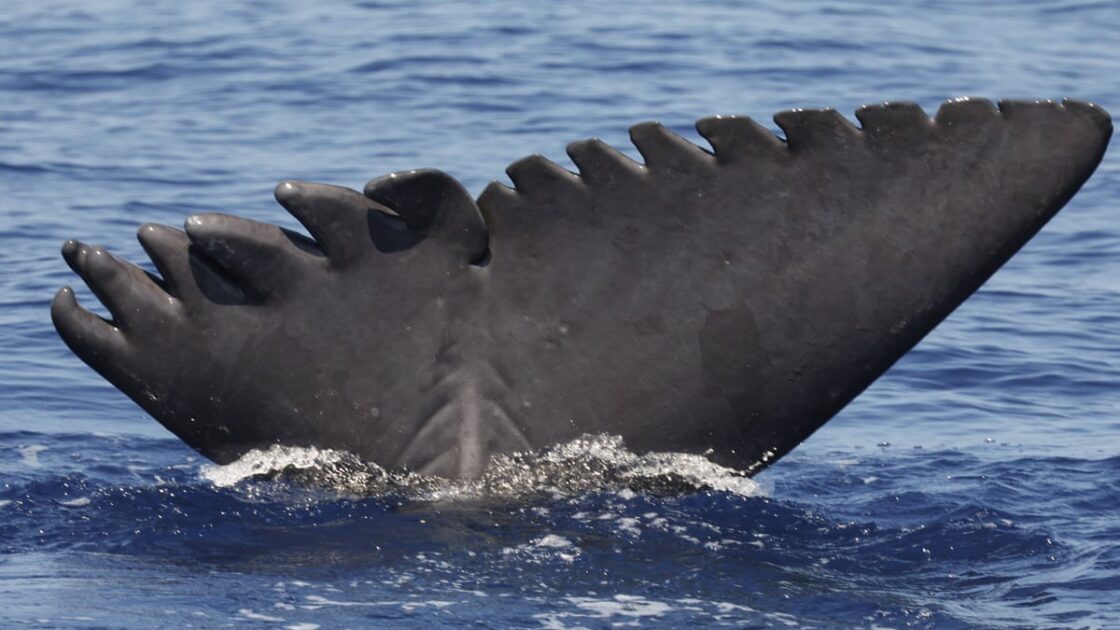
Marine biologists aboard the Pelagos research vessel recently spotted a sperm whale with a precise injury on its left fluke, likely caused by a ship strike. Collisions are recognized as a leading human-induced cause of death for Mediterranean whales. According to the conservation NGO Oceancare, slowing down vessels is the most effective strategy to mitigate these fatal incidents when rerouting is not possible.
The sea between Valencia and Genoa, which encompasses the Pelagos sanctuary, hosts about two-thirds of the Mediterranean’s fin whales and over a fifth of its sperm whales. In July 2023, the International Maritime Organization (IMO) established this region as a particularly sensitive sea area (PSSA). Under a voluntary speed recommendation, the IMO advised vessels of 300 gross tonnes and above to navigate at 10 to 13 knots to lower the risk of fatal strikes, which almost always occur when ships travel at 15 knots or above.
Widespread Non-Compliance by Operators
Data from maritime intelligence firm Veson Nautical and Global Fishing Watch revealed that ships with IMO identification numbers spent more than 280,000 hours traveling at 15 knots and above through the PSSA in 2025. Furthermore, vessels spent more than 6,000 hours traveling at speeds exceeding 25 knots. Large passenger and cargo vessels operated by the Grimaldi Group, Corsica Ferries, Baleària, and Moby Lines frequently maintained these high speeds.
Ferries owned by the Grimaldi Group, including the cruise ferry Cruise Roma, dominated the list of vessels spending the most time traveling at or above 15 knots in 2025 and 2022. Speeding was heavily concentrated among a small group of operators, with just seven vessels—four Baleària fast ferries and three Grimaldi cruise ferries—accounting for 70% of the hours spent traveling above 25 knots.
Captains currently or previously employed by Grimaldi and Moby Lines told The Guardian that their companies introduced no measures to encourage slow steaming following the IMO’s voluntary recommendation. One Grimaldi captain stated that because the guidelines are merely recommendations, commercial pressures and strict tourist schedules prevent operators from reducing speeds.
Industry Challenges and Calls for Mandatory Rules
Thomas Folegot, CEO of Quiet-Oceans, explained that while container vessels can easily reduce speeds slightly, doing so for ferries harms their business model because passengers would opt to fly instead. An analysis by Quiet-Oceans and Oceancare indicated that 80% of merchant ship journeys in the PSSA during 2023 exceeded 10 knots.
Simone Panigada, president of the Tethys Research Institute, stated that it is time to transition from voluntary guidelines to mandatory rules to create a level playing field and ensure compliance across all shipping companies. Meanwhile, the International Whaling Commission reported recording six incidents in the PSSA since July 2023, consisting of five near-misses and one collision, though it believes most strikes go undocumented.
Overall, annual time spent traveling above 15 knots in the PSSA fell by 11% between 2022 and 2025, while time above 25 knots dropped by about a third. Olivia Watkins, associate director at Veson Nautical, noted that these declines stem from altered shipping routes rather than the PSSA recommendations.
The World Shipping Council stated that the industry remains committed to PSSA measures, though slower navigation introduces commercial trade-offs and operational concerns. Corsica Ferries stated that it supports marine research and instructs captains to lower speeds to 10 to 13 knots through the PSSA while avoiding negative impacts on maneuverability. Baleària stated that it is committed to marine biodiversity conservation, utilizes real-time monitoring systems, and has not recorded any cetacean collisions involving its fast ferries.