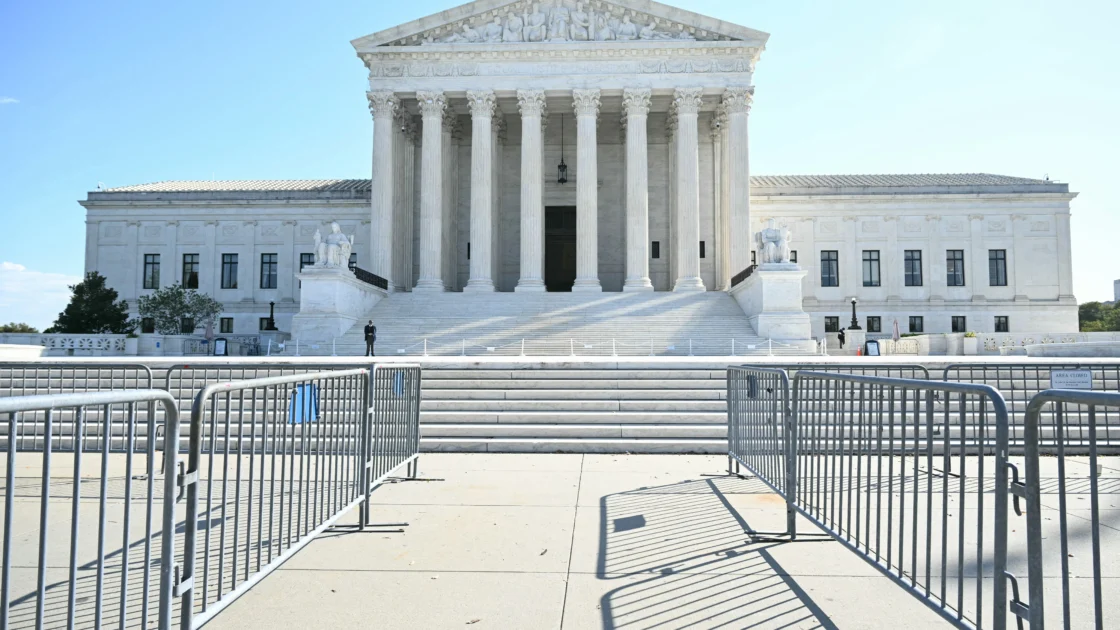
The U.S. Department of Justice is asking the U.S. Supreme Court to intervene in its dispute with California over the state’s voter rolls just a day before Election Day. This appeal represents the latest federal intervention in state election administration, which a federal judge described as a pattern of federal election interference.
Legal Battles and Court Decisions
Following rejections from U.S. District Judge David Carter and a divided 9th Circuit Court of Appeals panel, the Department of Justice filed a notice seeking emergency injunctive relief from the high court. The department aims to order California to set aside and stop processing the ballots of thousands of individuals it claims are likely noncitizens.
The Justice Department states it has identified 20,000 likely noncitizens on California’s voter rolls whose ballots should remain uncounted until citizenship is verified. However, courts have supported arguments from California and Los Angeles County that the federal list is unreliable and that creating a new system to segregate ballots during active voting is impractical.
In their Friday decision rejecting the emergency request, 9th Circuit Judges Mark Bennett and Gabriel Sanchez wrote that granting the federal government’s request creates a material risk of disenfranchisement and could jeopardize the entire county election. The judges cited the Purcell principle against altering election rules on the eve of an election, constitutional state authority over elections, and the National Voter Registration Act, which prohibits systematically removing ineligible voters within 90 days of a federal election. A third panel judge, Patrick Bumatay, dissented.
Data Analysis and Escalating Tensions
The actual number of disputed ballots is expected to be significantly lower than 20,000. County election officials discovered that many individuals on the federal list lacked active voter registrations and did not receive mail-in ballots.
Over the weekend, a court order in a separate lawsuit allowed data scientists at the University of California Los Angeles’ Voting Rights Project to review the federal list. Their analysis revealed that 42 percent of the names do not appear on the current California voter roll, and the list also includes naturalized citizens.
The Supreme Court appeal coincides with heightened tensions between the Justice Department and California election officials. In recent weeks, the department issued subpoenas to local election officials and warned them of potential criminal prosecution for permitting ineligible voters to cast ballots.
Meanwhile, a federal judge in San Francisco issued a temporary restraining order barring the administration from threatening, intimidating, or coercing election officials to stop processing ballots of registered voters whom the federal government alleges are ineligible. The federal government has appealed that restraining order.