Scientists examining ancient dinosaur bones have discovered what appear to be fossilised red blood cells and traces of heme inside the remains of a small, meat-eating dinosaur that lived in north-eastern Brazil 115 million years ago. The Aratasaurus hind leg bones revealed small, round structures resembling red blood cells alongside chemical evidence of the oxygen-carrying organic compound.
Discovery in Brazilian Dinosaur Bones
The Aratasaurus fossilised remnants were unearthed in a mine in 2008 and housed in the National Museum of Brazil, where researchers analyzed them. Electron microscope images of the leg bones displayed small, circular structures inside fine channels where blood vessels once ran. Subsequent chemical tests confirmed the presence of heme and its breakdown products, along with traces of amino acid building blocks for collagen, a vital structural protein.
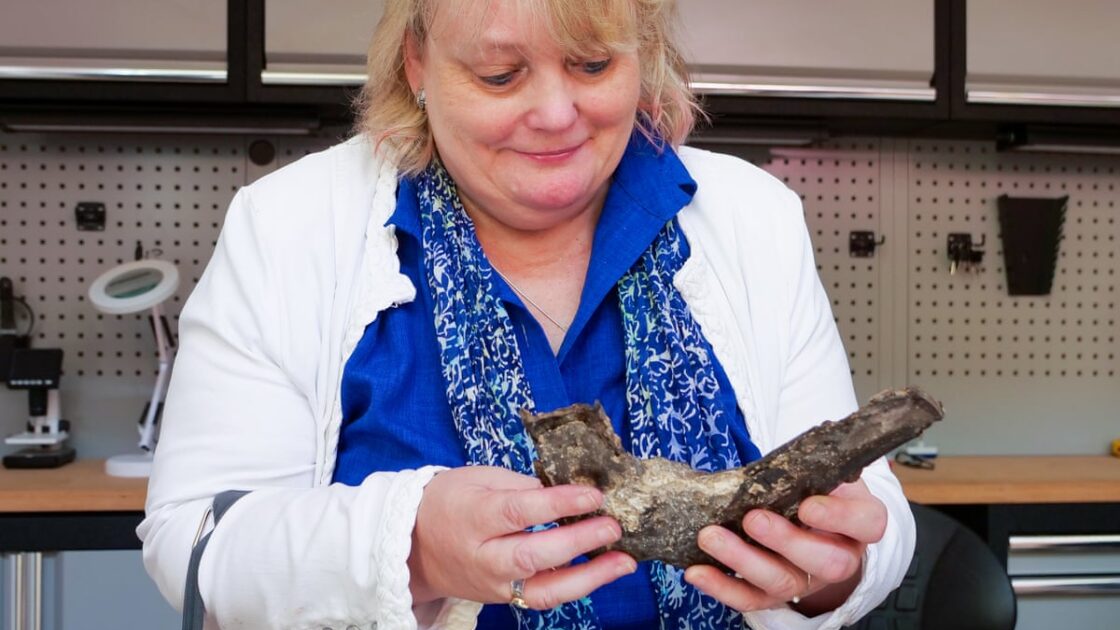
Prof Kliti Grice of Curtin University in Western Australia, who led the research team, stated that fossilised red blood cells with heme-related chemistry have never previously been found in situ within any dinosaur fossil. Grice suggested that a manganese compound named hausmannite, which formed around the blood cells, may have stabilized them prior to fossilisation, aiding in the preservation of the amino acids as well. The study was published in the Proceedings of the National Academy of Sciences.
Debate and Scientific Implications
The findings have generated debate among paleontologists regarding the true identity of the structures. Prof Mary Schweitzer at North Carolina State University, who has previously found soft tissues and blood vessels in dinosaur fossils, expressed doubt that the structures are red blood cells because they appear concave rather than featuring the nuclear bulge expected in dinosaur red blood cells.
However, Schweitzer found the evidence for heme and collagen amino acids more convincing, noting that technological advancements continue to challenge the assumption that organic materials cannot survive for millions of years. Grice emphasized that the research does not suggest large biological molecules like DNA survive in ancient fossils, urging caution and noting that the goal is understanding what molecular information deep time preserves.
Grice concluded that extraordinary molecular data may already exist within museum collections globally, waiting for researchers to ask new questions of old specimens.