Table of Contents
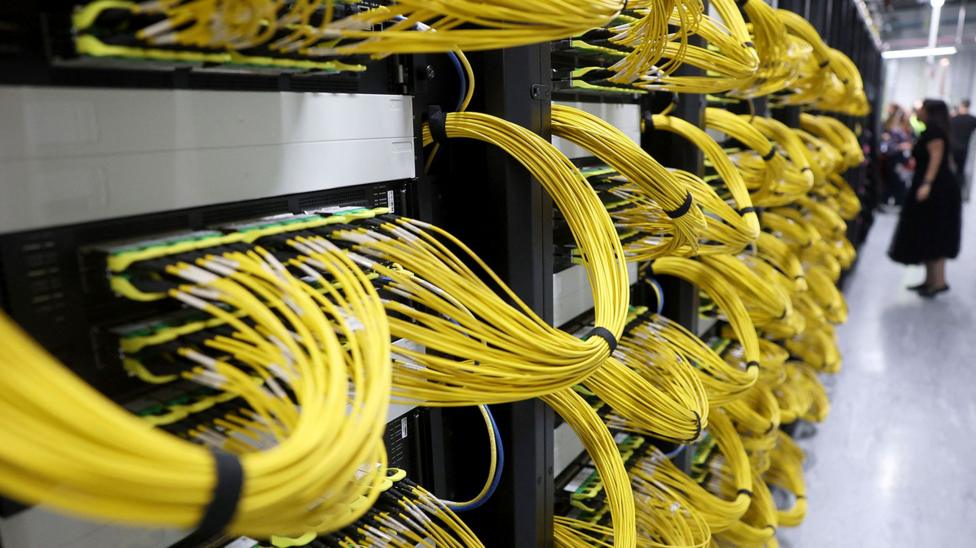
A little-known sector of the artificial intelligence ecosystem has drawn intense scrutiny from investors questioning the financial stability of neocloud companies. These specialized firms operate massive warehouses filled with expensive computer hardware, leasing the computing power to major AI developers including OpenAI, Anthropic, and Meta.
Debt and Market Stumbles
Neocloud firms typically finance their operations by signing long-term lease agreements with major tech customers who require rapid access to computing hardware. According to Cory Johnson from the IPO research firm “The Quiet Period,” companies use these contracts alongside their purchased AI chips as collateral to borrow substantial amounts of money because the physical hardware demands upfront payments.
Johnson explained that lenders often evaluate the creditworthiness of major neocloud customers like Microsoft or Meta rather than the neocloud firm itself when issuing loans. This lending practice helped industry leader CoreWeave accumulate $35.1bn in debt, equivalent to roughly £26.3bn.
Jittery investors have begun reconsidering their positions, causing CoreWeave stock to drop by a quarter over the past month. Similar neocloud companies such as Nebius, IREN, and Applied Digital have suffered comparable share price declines during the same timeframe, while debt investors are demanding higher returns.
CoreWeave CEO Mike Intrator told the market that trading is behaving irrationally and expressed full confidence in the company’s business model, noting that major global companies continue requesting their AI infrastructure and services.
Origins and High-Risk Models
Several neocloud operators originated within the volatile cryptocurrency mining industry, utilizing similar physical infrastructure required for AI development. Firms such as CoreWeave, IREN, Core Scientific, and Applied Digital all began in crypto mining before shifting focus when generative AI expanded rapidly in 2022.
An exception is Nebius, formerly known as Yandex NV, which operated as part of Russia’s equivalent to Google before splitting off and rebranding in 2024. Melissa Otto, head of Visible Alpha Research at S&P Global, described the massive funding injection as an arms race where neoclouds have successfully capitalized.
However, Forrester vice president and principal analyst Charlie Dai warned that this business model introduces greater financial risk when market conditions shift. Neocloud companies remain vulnerable to any spending adjustments made by their Big Tech clients, as evidenced when Microsoft and Google recently projected lower AI spending than Wall Street anticipated, sending neocloud shares downward.
Bradley Tusk of Tusk Ventures cautioned that neocloud companies will face direct collateral damage if the broader artificial intelligence market turns out to be a bubble. Future success also depends heavily on upcoming public share offerings from Anthropic and OpenAI.
Future Outlook and Consolidation
The survival of neocloud firms hinges on their ongoing ability to borrow money as interest rates increase. In a recent social media post, Elon Musk predicted this financial hurdle would cause over 200 neoclouds to experience widespread consolidation and failure, noting that smaller businesses face the highest vulnerability.
Analysts at Yorkville Ives reported that computing demand continues to outpace supply, with neoclouds successfully filling critical gaps that larger data centre operators cannot manage. Nevertheless, recent market wobbles have sparked anxiety across the industry.
Microsoft recently cancelled an agreement with British neocloud provider Nscale due to ongoing power supply challenges expected to persist until 2030, while Australia’s Firmus suspended its plans for a public share offering. These challenges unfold alongside growing public resistance toward data centre developments and ongoing debates regarding the actual productivity value that artificial intelligence delivers.