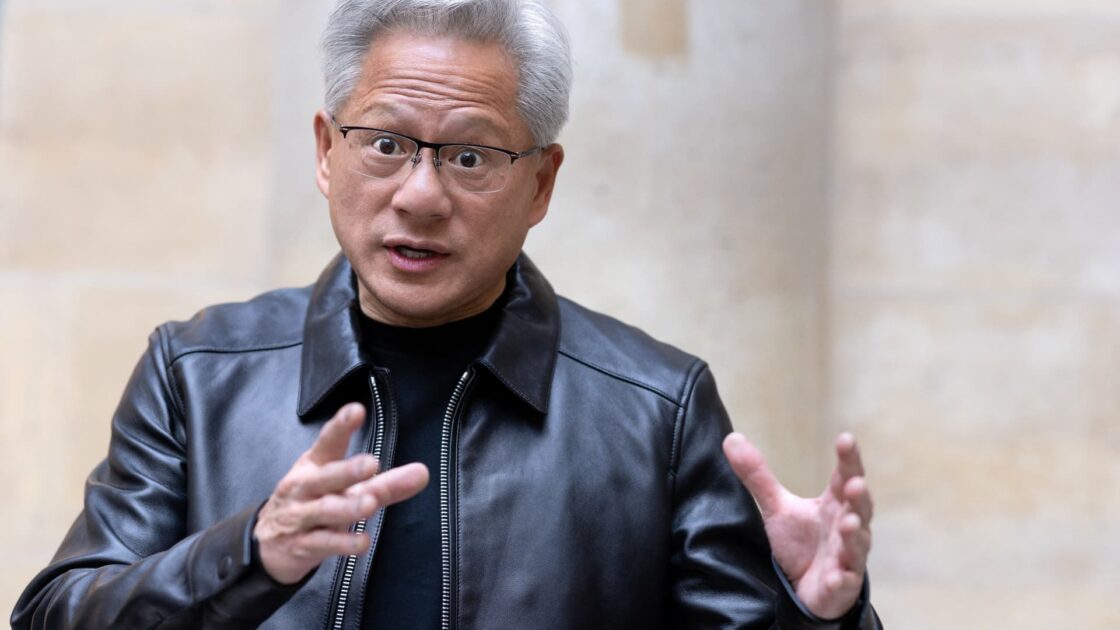
Nvidia CEO Jensen Huang is facing heightened scrutiny from newly empowered Democrats following revelations about his relationship with a woman linked to Chinese intelligence, coinciding with a shift in congressional control. The situation adds significant momentum to congressional demands for oversight regarding the chip giant’s artificial intelligence development and lobbying efforts.
Escalating Congressional Scrutiny
Even before the recent midterm elections where Democrats secured majorities in the House and Senate, party leaders were already seeking answers from Huang regarding China’s access to advanced Nvidia chips and company lobbying. U.S. Top News and Analysis (cnbc.com) reported that Senator Elizabeth Warren stated days before the election that bipartisan legislation must be passed to keep advanced AI technology away from China. Months prior, in June, Huang declined an invitation from Warren to testify before the Senate Banking Committee.
Democratic House leader Hakeem Jeffries, the presumed speaker of the House in the new Congress, told CBS News that the situation is a significant issue of concern. Jeffries noted a classified briefing with White House officials would address the matter and mentioned he had not yet seen a memo from Secretary of State Marco Rubio regarding the relationship, as reported by The New York Times. Delaware Senator Chris Coons also stated on social media that Congress will investigate and obtain answers following the allegations published in a New York Times report.
This development marks a stark shift for Huang, who previously maintained close ties with President Donald Trump’s administration in efforts to limit AI regulation. Following the midterm elections and subsequent news reports, Nvidia shares dropped 12% over two days amid concerns that incoming lawmakers and new ballot measures could slow the AI boom.
Leadership and Wall Street Pressures
Huang serves as the primary public face of Nvidia with no clear second-in-command, dictating strategic priorities and managing direct employee relations. Bernstein analyst Stacy Rasgon stated that Nvidia is not an ordinary company and that Huang essentially represents the firm itself, leaving succession unclear. Patrick Moorhead, CEO at Moor Insights & Strategy, noted via email that the concentration of power is precisely why Nvidia moves faster than anyone else.
While an investor close to Huang told US Top News and Analysis (cnbc.com) that a leave of absence is possible depending on the board’s findings, a company spokesperson stated that Jensen is committed to leading without interruption. The Nvidia board expressed confidence in Huang, who apologized to staff on Sunday for being unfaithful and noted the board is investigating national security concerns. The woman involved, Alice Huang, is affiliated with an Nvidia customer named Megaspeed, which has been accused of helping restricted Chinese companies acquire Nvidia chips.
Sam Bresnick, a research fellow at the Center for Security and Emerging Technology, stated that Democrats will likely investigate whether the Trump administration was aware of the relationship and if Huang influenced American policy. Meanwhile, House Republican leaders have also requested a closed-end briefing from Huang later this month regarding Chinese spying issues, while President Trump defended Huang to reporters as an honorable figure.
Alongside these political developments, Nvidia faces crucial market milestones, including upcoming earnings reports from heavily indebted, Nvidia-backed neoclouds CoreWeave and Nebius, as well as Nvidia’s own scheduled earnings report on November 17. Despite these risks, analysts project continued strong sales growth, though Bernstein analyst Rasgon noted that regulatory and political risks are rising as AI buildouts become increasingly politicized.