Table of Contents
The government body responsible for maintaining Britain’s power system issued a rare call for additional electricity supplies on Monday morning. The National Energy System Operator (Neso) acted as low wind power generation forecasts spread across Europe.
Electricity Shortfall and Margin Notices
A notice published by Neso on Sunday night indicated a projected shortfall of nearly 1,400 megawatts in electricity supply margins between 6am and 11am on Monday. The operator stated it needed to secure roughly 800 megawatts of extra generation—equivalent to a medium-sized gas power plant—within eight hours ahead of a 4am supply review.
A second electricity margin notice released following the pre-dawn review showed that the urgent call reduced the shortfall to 500MW. Neso noted that no further contingency power was necessary, although it could still request power plants to increase output between 8am and 11am. A later update revealed the deficit had dropped to 200MW before being cancelled completely shortly after 9am.
Historically, such notices were deployed during chilly winter evenings when electricity consumption peaks annually. However, this unusual morning shortfall follows an increase in Neso alerts over recent months, including the first margin notices issued during the summer when heatwaves elevated demand while reducing generation.
A Neso spokesperson described the notice as a routine and precautionary measure designed to give the market an opportunity to provide extra generation capacity. “This is not a warning of power cuts, there is no risk to customer electricity supplies, and customers do not need to take action – Great Britain’s electricity system remains secure,” the spokesperson said.
Impact of European Weather and Imports
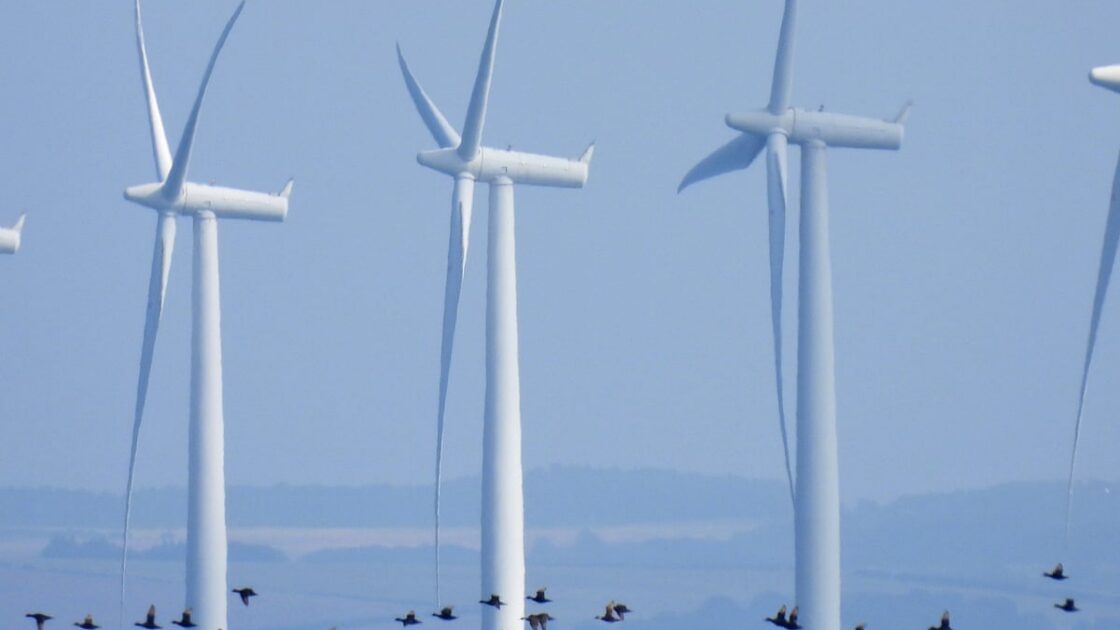
The market notice occurred despite a lack of constraints within the electricity grid that would render power plants or windfarms unavailable, and while the UK was forecast to export electricity to Europe. Analysts suggest the shortfall likely stemmed from low wind speeds across Europe, which depressed renewable energy output late last week. In northern Europe, periods marked by reduced solar and wind power are termed Dunkelflaute, or dark doldrums, within the renewable sector.
On Friday, Neso paid more than 10 times the standard market price to secure power imports from Europe, costs that will ultimately pass to consumers through home energy bills. Kathryn Porter, an independent energy consultant, reported that these payments reached £2,500 a megawatt-hour for power imported via high-voltage subsea cables, alongside £1,000/MWh to fire up domestic gas plants.
The system operator currently faces scrutiny following an independent investigation published last month that uncovered significant and concerning cultural issues within its control room. Conducted by an external law firm, the three-month inquiry followed whistleblower accusations that Neso covered up growing blackout risks. Whistleblowers claimed the grid was becoming unmanageable and that corporate affairs staff interfered with control room decisions to protect the reputation of the government-owned operator, which returned to state control in 2024 after previously operating as part of FTSE 100 firm National Grid.
Wholesale Gas and Oil Markets
In separate market activity on Monday, benchmark Dutch and British wholesale gas prices climbed as colder weather forecasts drove up heating demand. ICE data indicated the benchmark Dutch month-ahead contract rose by €0.91 to €86.50 (£72) a MWh, while the equivalent British contract increased by 2.75 pence to 215p a therm.
Wholesale energy prices remain under close observation as markets monitor developments in the Middle East conflict. LSEG gas analyst Yuriy Onyshkiv stated that news was mixed, noting that Donald Trump downplayed the likelihood of further US strikes on Iran while talks progressed, which eased geopolitical risk, though both sides reported shipping incidents in or near the Strait of Hormuz.
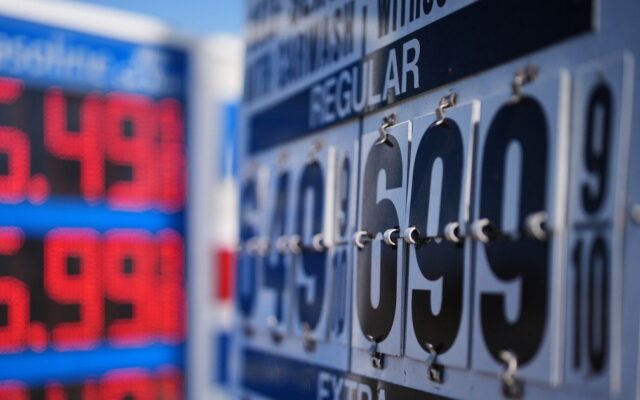
US President Donald Trump stated on Sunday that he was highly unlikely to order new attacks on Iran as long as talks aimed at ending the conflict continued. Concurrently, Brent crude oil prices slipped 0.6% to just under $96 (£72) a barrel on Monday. Meanwhile, the AA reported that UK petrol prices peaked at 174.7p a litre earlier this month—their highest level since August 2022—before starting the week at 169.7p.