Table of Contents
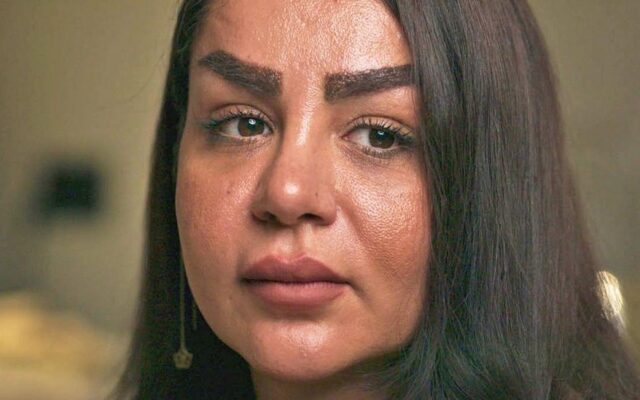
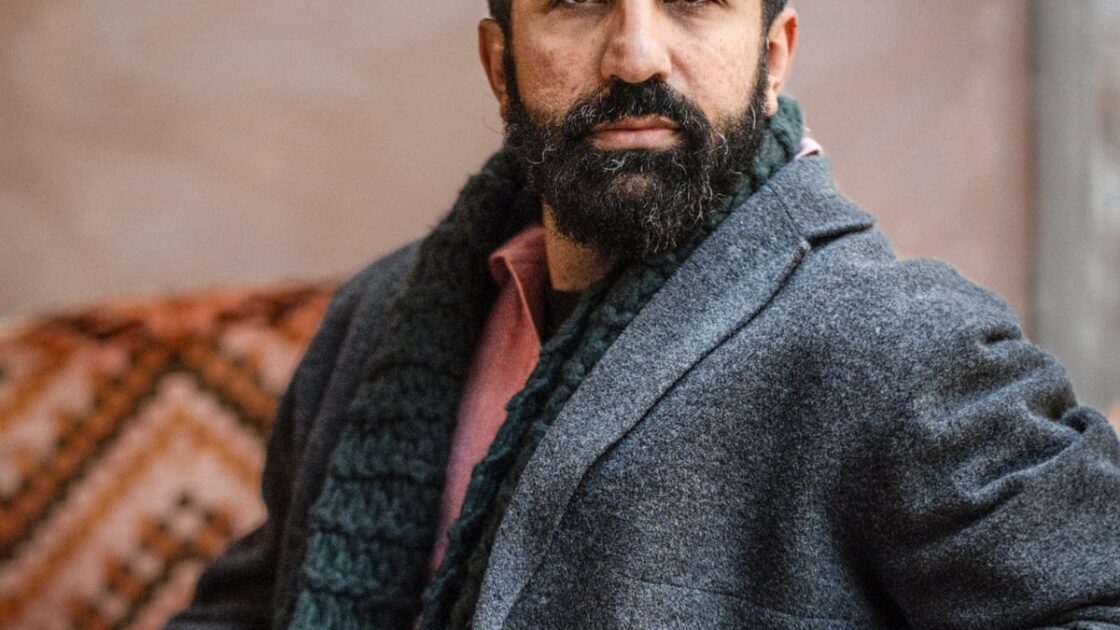
Zirrar Ali journeyed to Mecca, Saudi Arabia, to participate in the sacred five-day Muslim pilgrimage known as the Hajj, accompanied by his elderly father. During the 2024 pilgrimage, temperatures soared past 51°C as climate change intensifies summer and spring conditions for the holy event.
The Journey Begins in Medina and Mecca
After years of extensive travel, Ali felt a strong pull toward the east and the ultimate pilgrimage destination built by Abraham. A week before the Hajj commenced, Ali flew to Medina to meet his father, describing the city as a peaceful warm-up that regulates the nervous system to a different routine using specialized sun umbrellas equipped with cooling vapor.
Upon arriving in Mecca, pilgrims completed seven rounds around the Kaaba at the Grand Mosque among hundreds of thousands of people dressed in white. Initially, the weather felt surprisingly cool without a roof or air conditioning, leading Ali to discard his umbrella while planning to push his father in a wheelchair.
The Dangerous Heat of Arafat
Everything shifted dramatically on the second day during the Day of Arafat, the most sacred day of the pilgrimage. Within two hours of sunrise, intense heat set in, prompting many in Ali’s group to stay indoors inside an air-conditioned canopy while Ali chose to remain outside.
Due to traffic and a lack of transportation, short walks between sites turned into four-hour treks under the sun, worsened by diesel fumes from idling buses. Between midday and 4 PM, peak heat made rehydration difficult, with volunteers distributing cold water that disappeared instantly while the ground filled with plastic bottles and weary pilgrims sought out any available shade.
Ali noted that ordinary instincts to help elderly people who tripped or collapsed had disappeared as individuals realized they were on their own against heatstroke. Despite the presence of ambulances, help was scarce, and resources such as water, shade, and doctors proved insufficient for people who had saved their entire lives to attend.
To protect his elderly father, Ali left him at the hotel for the most dangerous stretches, performing some of the essential rites on his behalf. Ali experienced his own moment of severe dizziness and realized that falling asleep or succumbing to heatstroke in the open could prove fatal despite being surrounded by millions of people.
Reflections on Climate Breakdown
As evening approached, temperatures dropped slightly, allowing Ali to climb Mount Arafat around 4 PM to pray and seek forgiveness as people raised their hands in peace. By the end of the five-day pilgrimage, the shared hardship transformed individualistic pilgrims into a cohesive body that looked out for one another by sharing advice, umbrellas, and water.
Reflecting on the heavy casualties reported during the event, Ali stated that many of the deaths felt avoidable due to the lack of adequate water, shade, and medical assistance. Ali noted that while people rarely pray about climate change, the natural world contains signs that are losing their blessings, and emphasized that trusting in God requires taking active measures rather than doing nothing.