The closure of Canada’s famous Marineland marine park highlights the complex challenges of rescuing captive cetaceans. While public sentiment has turned decisively against keeping whales and dolphins in captivity, moving them to new locations or the wild involves severe risks and trauma.
The Troubled Legacy of Marineland
Marineland closed to the public two years ago due to financial pressures and the declining popularity of performing marine mammals. The Canadian Press documented 21 whale deaths at the facility since 2019 alone, amid persistent allegations of mistreatment from former employees and decades of controversy.
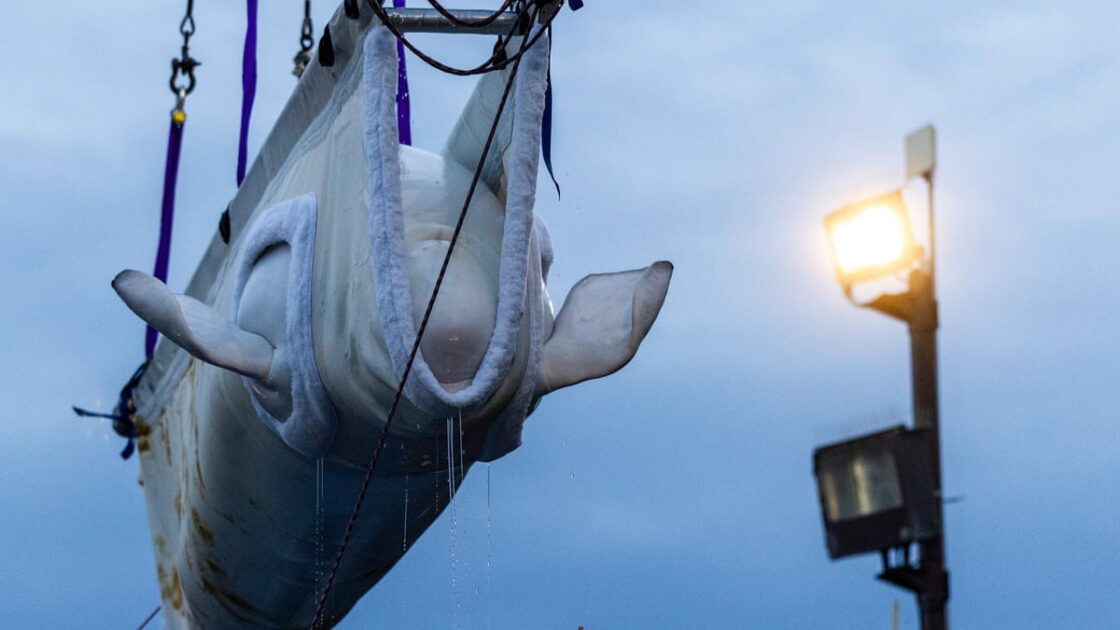
However, closing the park did not provide a simple happy ending for the animals. Because captive cetaceans cannot survive in the wild, operators faced the difficult choice of transferring them to other aquariums or euthanising them. Out of 30 whales and four dolphins moved from Marineland to facilities in the United States and Spain, seven have died in their new homes.
The Limits of Human Intervention
Doug Whiteside, the head vet at Calgary Zoo, told CBC News that transferring the animals was a desperate effort to provide a better life. With 20% of the relocated beluga whale population now dead and more expected to follow, animal welfare advocates remain deeply concerned.
The situation demonstrates that human interference alters animal lives irrevocably, and the resulting trauma is difficult to undo. Primatologist Signe Preuschoft explained that our destruction of natural ecosystems causes widespread suffering, fear, and death among wildlife.
Organizations like The Whale Sanctuary Project are working to establish a 100-acre marine sanctuary in Nova Scotia for formerly captive cetaceans. The project aims to provide sanctuary and a better quality of life for survivors rather than promising a complete return to the wild.