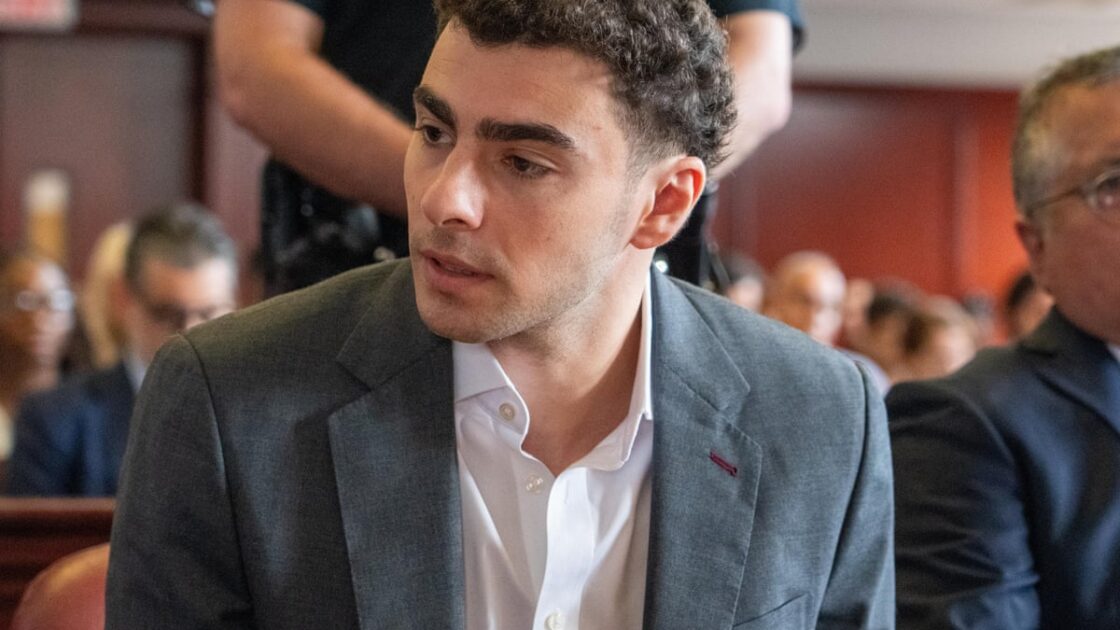
Luigi Mangione’s defense team filed paperwork on Friday to dismiss his state-level case concerning the killing of UnitedHealthcare executive Brian Thompson, following his recent federal guilty plea.
Federal Guilty Plea and Legal Arguments
Mangione entered a guilty plea on 14 August to federal charges related to the fatal shooting of Thompson outside a Manhattan hotel on 4 December 2024. This unexpected admission occurred less than a month before his state murder and weapons trial was scheduled to begin on 8 September. Thompson’s death sparked a massive manhunt and fueled widespread public anger directed at the for-profit United States healthcare industry for prioritizing profits over patients.
Shortly after Mangione admitted guilt to two federal stalking charges, his legal team submitted a motion to dismiss the state case, arguing that New York state double jeopardy laws prevent the Manhattan district attorney from prosecuting him.
While the United States constitution does not forbid state prosecution for actions already tried federally, New York state statute dictates that an individual cannot be prosecuted twice for the same offense or separately prosecuted for two offenses stemming from the same criminal transaction.
Legal Positions of Both Sides
In the new filing, Mangione’s lawyers argued that the underlying misconduct in both the federal and state proceedings is identical. They stated that the core of both cases involves the intent to kill and the subsequent murder of Brian Thompson.
The defense lawyers wrote that the federal stalking statute specifically addresses stalking with the intent to kill that results in death, operating similarly to a state murder statute designed to prevent murder. They noted that the statute’s inclusion of lesser stalking conduct does not alter this analysis.
Manhattan prosecutors strongly oppose the dismissal request. In their own court filing submitted on 9 October, they maintained that the state proceedings can continue under an exception to New York’s double-jeopardy rules.
Prosecutors argued that federal stalking offenses and state murder charges do not overlap in a way that triggers state double-jeopardy protections. They added that statutory double jeopardy only applies when an individual has been separately prosecuted for the same misconduct, and argued that the federal charges do not constitute a separate prosecution in this context.
State Judge Gregory Carro delayed the proceedings following the unexpected federal plea and scheduled the next court appearance for 10 December.