A tiny zebra-striped bee, typically found along the south and east coasts of England, has made an unexpected journey to the West Country. Naturalist Nigel Phillips spotted the rare sea aster mining bee at Steart Marshes in Somerset, describing the discovery as a huge surprise.
Habitat Restoration Brings Rare Bees to Somerset
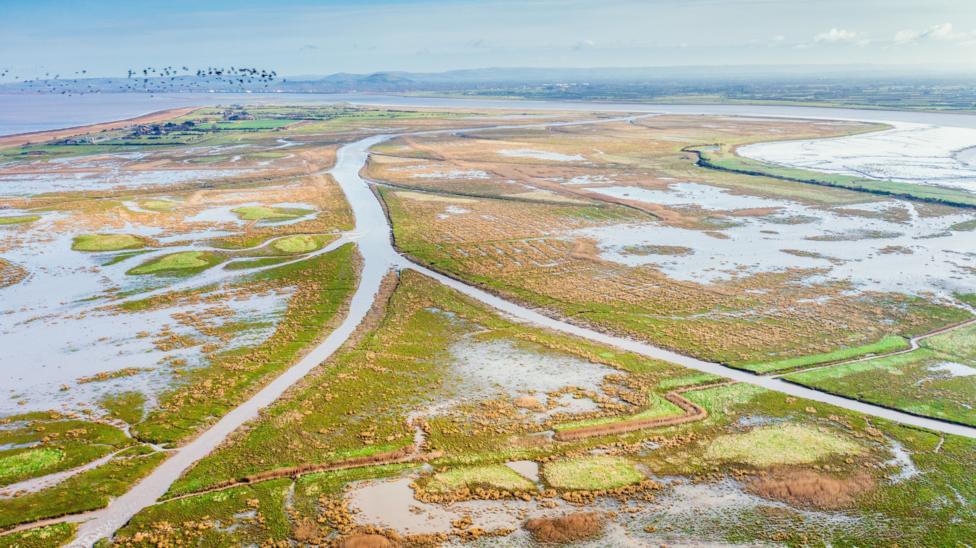
The Wildfowl and Wetlands Trust stated that saltmarsh restoration work at the nature reserve helped create an ideal home for the new arrivals. The charity noted that the discovery demonstrates how rare species and wildlife can flourish through the restoration of coastal habitats. The restoration project at Steart Marshes concluded in 2014, converting former agricultural land into a coastal wetland by permitting seawater to flow back onto the fields.
The reserve currently hosts a diverse array of coastal wildflowers, including an abundance of sea aster, which is believed to have ultimately drawn the bees to the Steart peninsula. The sea aster mining bee relies specifically on the sea aster, a pink and yellow flower blooming on coastal marshes from summer into autumn.
Phillips reported seeing numerous bees alongside several colonial nesting areas located in the dry sandy ground. He explained that he previously believed the insects only inhabited saltmarsh areas surrounding the Thames estuary. Across the United Kingdom, saltmarshes support 290 invertebrate species, with 148 found exclusively in these habitats.
Unnoticed Life in Coastal Marshes
Site manager Bay Alys Laver stated that people typically associate saltmarshes with large flocks of wading birds, geese, and ducks, though a vast amount of unnoticed life exists there as well. Laver added that spotting such a rare species serves as a testament to the excellent work performed by staff in maintaining the reserve alongside local graziers, expressing great happiness that the site has been discovered by the first sea aster mining bees.