European Commission President Ursula von der Leyen has outlined her vision for an associate membership status for Canada as officials gather in Montreal for a two-day summit. The meeting is attracting significant attention as both sides explore ways to deepen their partnership in response to global geopolitical shifts.
Vision for Associate Membership
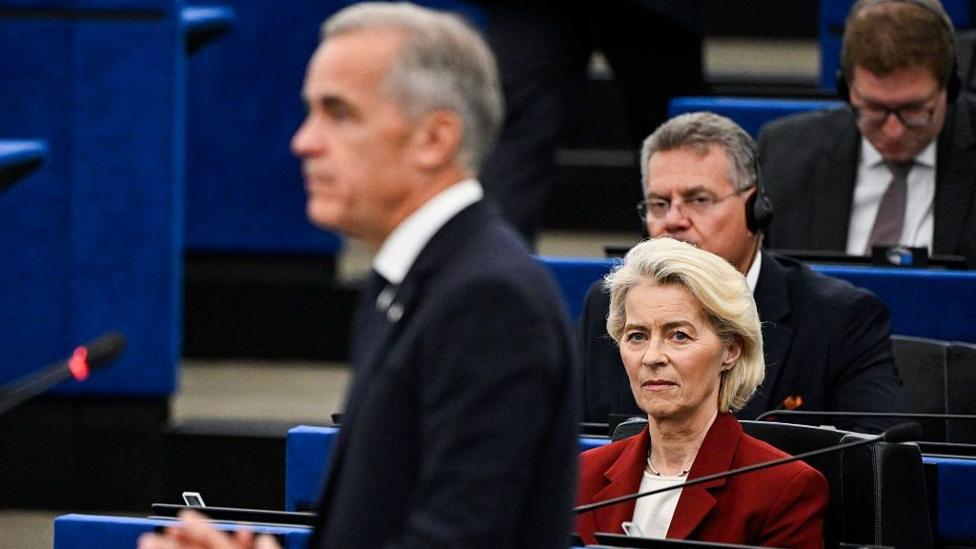
Speaking on Thursday, von der Leyen described the proposed framework as a partnership closer to full membership than any previous arrangement, intended exclusively for the closest external partners willing to forge a new path together. The concept involves deep alignment on policies, governance, and joint initiatives in research and innovation. The idea was initially proposed last month following Prime Minister Mark Carney’s address to the European Parliament in Strasbourg, where he stated that Canada and Europe were stronger together.
However, the terminology has faced resistance from several EU member states, including Germany. According to media reports, German lobbying successfully removed the “associate member” title from a draft summit statement in favor of an “ever closer association.” Germany’s ambassador to Canada, Matthias Lüttenberg, told CTV News that member states were surprised by the announcement because the term is used differently regarding countries like Ukraine and Moldova that are seeking formal bloc accession.
Summit Agenda and US Relations
Despite disagreements over the title, Prime Minister Carney emphasized that the nomenclature is irrelevant compared to the practical benefits for Canadians. Canadian officials noted that Canada will not pay EU membership fees like regular member states, but will instead participate in specific cooperative programs. Discussions at the summit include business forums, defence, critical minerals, research, and trade agreements.
Prime Minister Carney has pivoted Canada closer to Europe since taking office last year amid an ongoing trade dispute with the United States. US President Donald Trump dismissed Canada’s potential EU associate membership as laughable and warned of severe tariffs against Europe if it were deemed a hostile action. Canadian officials maintained that the European pivot builds on existing foundations rather than antagonizing neighbors, pointing to recent agreements on defence procurement and a long-term German energy deal, alongside a newly released National Security Strategy prioritizing European stability.