Environment Secretary Angela Eagle has summoned water industry bosses to Whitehall following a joint report that revealed the environmental performance of major companies has worsened despite ongoing investment. Dame Angela stated that citizens have grown weary of excuses as regulatory evaluations show eight out of nine water companies in England require improvement or are rated as poor.
Worsening Performance Despite Investment
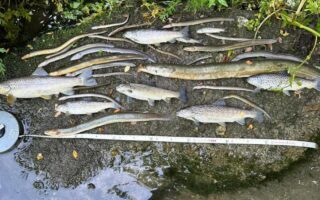
The joint report from the Environment Agency, the Drinking Water Inspectorate, Natural Resources Wales, and Ofwat documented 74 serious pollution incidents causing significant harm to the environment, which is only one fewer than the previous year. This occurred despite billions of pounds of investment, executive bonus bans, and a strong public outcry. Overall watchdog ratings dropped to 16 stars out of 36, marking the lowest score since the assessment process began and a decline from 19 stars the previous year. The UK and Chile remain the only two countries globally with fully privatised water provision.
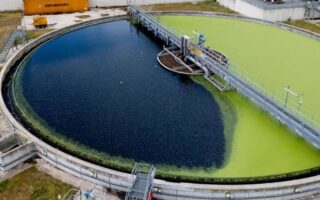
Data from the Environment Agency showed a total of 2,666 pollution incidents in England, representing a 40% increase compared to 2016. Thames Water recorded the highest number of incidents, followed by Anglian Water, United Utilities, Yorkshire Water, and Southern Water. The Department for the Environment, Food and Rural Affairs (Defra) announced that Eagle is preparing further actions and tougher consequences for executives at failing companies, alongside a clear set of improvement targets covering leaks, pollution reductions, and customer satisfaction.
Campaigner Demands and Regulatory Overhaul
Environmental campaigners urged the government to implement stronger measures, with River Action chief executive James Wallace calling for Thames Water to enter special administration immediately. Wallace argued that ministers must terminate the privatisation model, evaluate public ownership alternatives, and empower regulators to make polluters pay instead of the public. Meanwhile, the four regulatory agencies combined their data in a joint report for the first time as a step toward unifying fragmented oversight under a single watchdog. However, Wildlife and Countryside Link chief executive Richard Benwell stressed that a new regulator requires explicit legal duties to restore nature and robust enforcement powers.
Water UK, the industry trade body, acknowledged that the environmental performance of certain companies remains inadequate while noting record low leakage levels and areas of strong performance. The organisation explained that more than half of all pollution incidents last year stemmed from blockages or vandalism outside direct company control, adding that record investment will eventually secure water supplies and stop sewage from entering rivers and seas.