Table of Contents
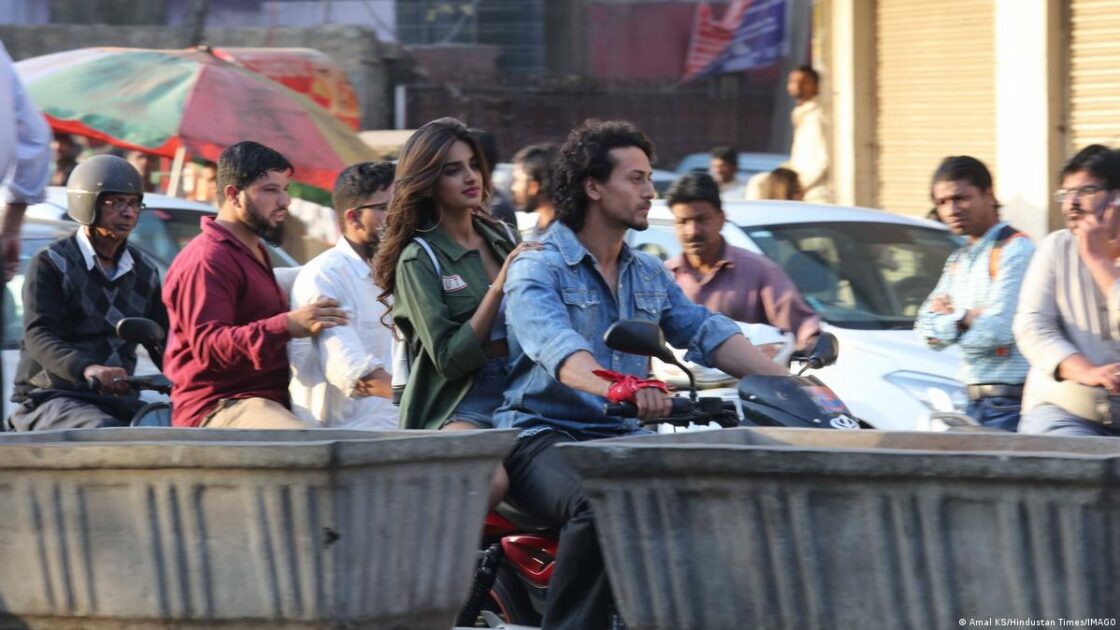
A recent shooting targeting Indian actor Tiger Shroff in Mumbai has heightened concerns over criminal syndicates targeting the country’s film industry. Audio released by the suspected attackers claimed responsibility on behalf of imprisoned gangster Lawrence Bishnoi and warned individuals against working with actor Salman Khan, though police have not formally confirmed the gang’s involvement.
The incident, which resulted in injuries to Shroff’s driver, marks the latest in a series of violent threats against Bollywood figures since 2022. Gunmen previously fired shots outside the home of Salman Khan, the residence of director Rohit Shetty, and the family property of actor Disha Patani. Additionally, actor Ranveer Singh received an extortion demand of roughly $1.1 million (€980,000), while a Canadian establishment owned by comedian Kapil Sharma was hit by gunfire on three separate occasions.
Echoes of 1990s Mafia Violence
The recent intimidation tactics have brought back memories of the 1990s, when Mumbai crime syndicates led by figures such as Dawood Ibrahim, Abu Salem, and Chhota Shakeel held a powerful grip on the Hindi film industry. Crime journalist and author S. Hussain Zaidi told DW that gangsters were drawn to the cinema world to launder illicit profits and establish control over a high-profile sector.
Resistance from film figures during that era frequently turned deadly. Music producer Gulshan Kumar was killed in 1997, and director Rakesh Roshan survived an assassination attempt in 2000. Former Mumbai Police Commissioner D. Sivanandhan explained to DW that 101 businessmen were slain in 1998 alone, mostly over extortion demands. Authorities eventually broke the syndicates through tough anti-organized crime laws enacted in 1999, electronic surveillance, and heavy weapons seizures.
Operations Directed From Behind Bars
Unlike the Mumbai-based syndicates of the past, Bishnoi operates his network from outside the city. The 33-year-old former student leader from Punjab directs multi-state criminal operations while incarcerated in a Gujarat prison using illicit mobile devices, according to journalist Jupinderjit Singh in comments to DW. The syndicate relies heavily on online recruitment of impoverished youths, offering them money, weapons, and protection.
The group’s footprint has also drawn international scrutiny. Canada designated the Bishnoi network a terrorist entity in September 2025, and the Federal Bureau of Investigation added alleged North American leader Satinderjeet Singh, also known as Goldy Brar, to its Ten Most Wanted list. Singh told DW that Bishnoi’s targeted campaign against Salman Khan stems from a 1998 incident in which the actor was accused of killing a blackbuck, an animal held sacred by Bishnoi’s community. Police have also linked the gang to the 2024 assassination of politician Baba Siddique.
Dispute Over Extortion and Impact
Experts hold differing perspectives on whether the current violence indicates a full return of organized crime. Sivanandhan stated that the syndicate views the movie business as a primary source of revenue. “They are using Bollywood as an ATM,” Sivanandhan told DW. “Insert a card and collect your money.”
In contrast, Zaidi told DW that the primary motive behind the shootings is generating publicity and fear, noting that modern digital transactions make large cash extortion payments far more difficult to conceal than in previous decades. A protection professional guarding Bollywood figures also told DW that “The base material of extortion is: create fear.”
Following the ongoing threats, All Indian Cine Workers Association President Suresh Shyamlal Gupta addressed a letter to Home Minister Amit Shah urging intervention. “Mumbai will not be allowed to go back to the underworld days of the 1990s, and Bollywood will not be allowed to work in the shadow of fear,” Gupta wrote, as several prominent film personalities continue to expand their private security details.