Table of Contents
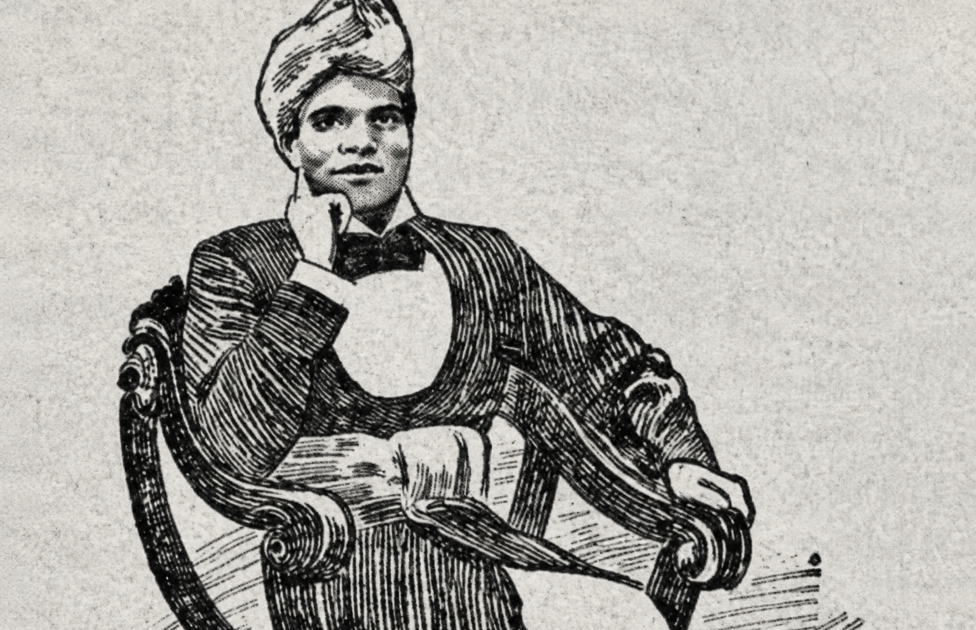
In 1901, an Indian chef named Ranji Smile established what was almost certainly the first Indian restaurant in the United States. As reported by BBC News, his journey began in the summer of 1899 when he sailed from London to New York, leaving behind an unknown background and likely adopting his name as a nod to Indian cricket star KS Ranjitsinhji.
Rise at Sherry’s Restaurant
Before arriving in America, Smile had worked as a curry cook at London’s Cecil and Savoy hotels. Louis Sherry, owner of the glittering New York establishment Sherry’s Restaurant on Fifth Avenue, noticed his culinary skills and invited him to cross the Atlantic. Manhattanites lacked exposure to masala, but growing curiosity about India and its culture created an opening for the cuisine.
At Sherry’s, Smile performed as a skilled showman in a satin coat and blue silk turban, serving dishes like Bombay duck and “Lettuce Ceylon” to the city’s elite. Newspapers splashed his picture across their pages, with one headline noting that New York women went wild over him.
Opening Omar Khayyam and Legal Troubles
Seeking independence, Smile teamed up with financier Roland R Conklin to open Omar Khayyam in late 1901 at 325 Fifth Avenue. The restaurant featured Indian draperies, hanging lanterns, a fleet of Indian waiters in voluminous turbans, and Indian musicians. However, the establishment shuttered within a year after the public reportedly tired of the cuisine.
Smile’s fame soon crossed into deceit and criminal activity. He claimed to be a prince and the son of the emir of Baluchistan, and federal authorities later alleged he illegally trafficked staff—including valets, a dancing girl, and mahouts—from Bombay into the US to work at his restaurant, nearly resulting in his deportation.
Vanishing and Lasting Legacy
Evading deportation, Smile married a series of American women, promoted Indian food as an elixir for female beauty, and performed at cooking demonstrations across the country. Eventually, brushes with the law, including the forcible confinement of a dancing girl and unpaid restaurant bills, drove him from the public eye. By the 1920s he worked as a merchant, and the final record of him came in 1937 when his wife filed for an annulment from her absconded husband.
Despite the restaurant’s failure, Smile paved the way for others, such as KY Kira who opened the Ceylon India Inn in Harlem in 1913, which remained in business until the late 1980s. BBC News notes that 125 years after Omar Khayyam’s brief existence, Smile’s legacy endures through thousands of Indian eateries flourishing across the United States.