Table of Contents
Indian authorities confirmed that 27 Indian crew members are safe following a limpet mine attack on an oil tanker in the Strait of Hormuz. The incident occurred alongside other key domestic developments, including the successful launch of an indigenous navigation satellite by the Indian Space Research Organisation and historic cold weather in New Delhi.
Oil Tanker Attacked in Strait of Hormuz
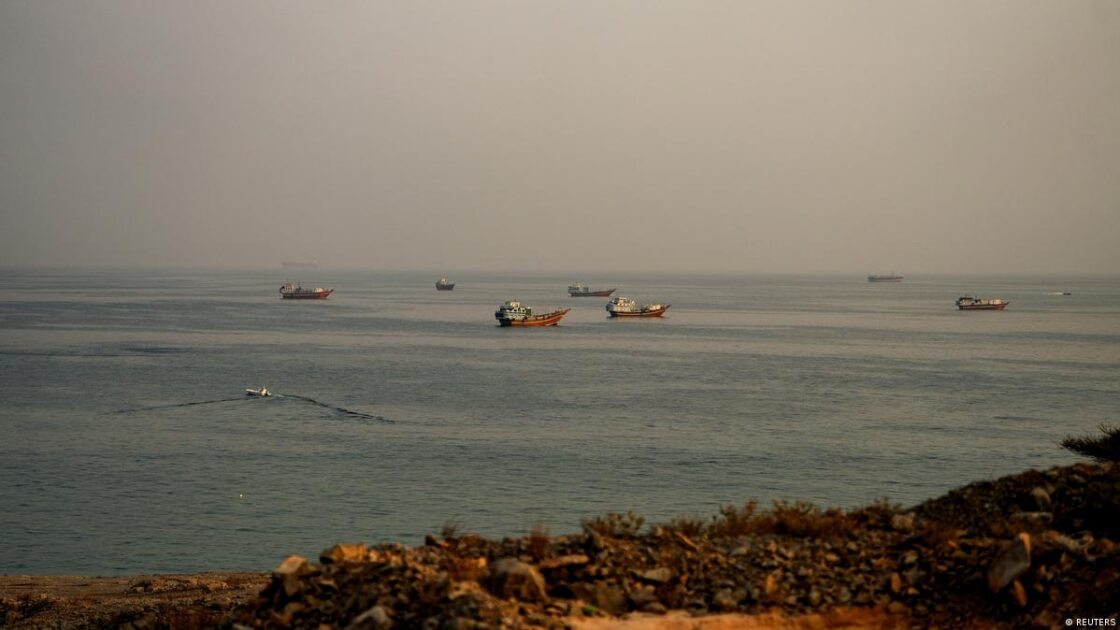
A Panama-flagged oil tanker carrying 27 Indian seafarers, the Louise 1, was targeted with limpet mines in the Strait of Hormuz on Thursday. Maritime security sources reported that individuals on a small boat attached two mines to the hull of the vessel, starting a fire in the engine room approximately 25 nautical miles (46 kilometers) northeast of Khasab, Oman.
India’s Shipping Minister Sarbananda Sonowal stated that all 27 Indian crew members aboard the Louise 1 were uninjured and safe. Sonowal also noted that two Indian sailors involved in a separate attack on another vessel on October 29 were unharmed. According to the UK Maritime Trade Operations (UKMTO), the fire on the Louise 1 was extinguished, the crew remained safe, and no environmental damage was caused.
The strike represents the first documented successful use of limpet mines against a ship in the waterway since the conflict between the United States and Iran began in February. The Washington Institute for Near East Policy reported that maritime attacks in the Strait of Hormuz have reached their highest level since the start of the conflict. The identity of those responsible for the attack remains unknown. The Louise 1 was previously targeted by Ukrainian naval drones in the Black Sea over allegations that it transported Russian crude oil as part of a shadow fleet.
ISRO Launches NVS-03 Navigation Satellite
In aerospace developments, the Indian Space Research Organisation (ISRO) successfully launched the NVS-03 navigation satellite into orbit on Friday night. The spacecraft was carried by a GSLV-F18 rocket from the Satish Dhawan Space Centre in Sriharikota, located on an island in the Bay of Bengal.
According to ISRO, the vehicle placed the NVS-03 satellite into a Geosynchronous Transfer Orbit. The satellite is the third in ISRO’s next-generation navigation series and is intended to augment the NavIC constellation while supporting continuous navigation services. The system is designed to provide navigation coverage across India and up to 1,500 kilometers beyond its borders, offering an alternative to the United States government-owned Global Positioning System (GPS). Indian Prime Minister Narendra Modi praised the mission, describing the launch as a “great accomplishment.”
Delhi Records Lowest October Daytime Temperature in 75 Years
On Friday, New Delhi recorded its lowest daytime October temperature in 75 years. Citing data from the India Meteorological Department (IMD), PTI news agency reported that the maximum temperature at the Safdarjung weather station fell to 20.7 degrees Celsius, which is more than 10 degrees below the seasonal average.
The unseasonably cold weather followed two consecutive days of steady rainfall. The city received 61.4 mm of rain in the 24 hours ending Friday morning, marking its wettest October day in four years. The rainfall temporarily reduced atmospheric pollution, bringing the capital’s Air Quality Index (AQI) to a “satisfactory” level of 60. However, experts cautioned that air pollution levels could deteriorate to the “poor” category by November 1 and remain poor or very poor over the following days.