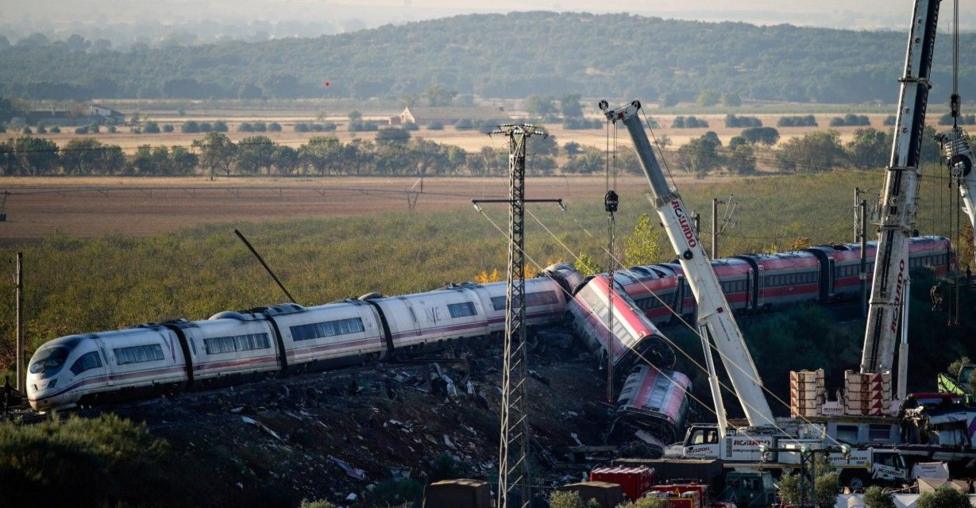
A high-speed train collision in central Spain has claimed the lives of 69 people, marking the second major rail disaster in the country within nine months. The tragedy has severely damaged public confidence in the transport network and the Socialist-led government of Prime Minister Pedro Sánchez just weeks before a snap general election.
Government Response and Blame
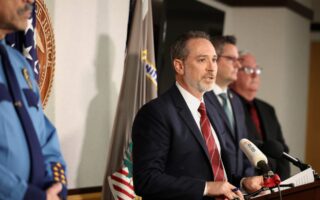
Following the disaster in Toledo, Transport Minister Oscar Puente quickly moved to shape the narrative by pointing to human error. During a press conference, Puente rejected claims of chronic underinvestment and defended the high-speed signalling safety system, the LZB, noting that Germany and Austria utilize the same technology. He acknowledged that the system has failed 170 times this year in Spain, but described that figure as normal and close to the European Union average.
According to the minister, the catastrophe unfolded when control shifted to manual operation following a system failure. Puente highlighted that a controller instructed a stalled train to restart and advance at up to 160 km/h even though another train remained stationary on the track ahead. Audio recordings and control center screens in Madrid showed the impending collision was visible, yet the advancing train was never ordered to stop. Despite opposition calls from the People’s Party (PP) for his resignation as a moral and ethical duty, Puente stated that he will remain in office to improve the system and restore public trust.
Political Fallout and Election Impact
The rail disaster compounds a series of crises for Prime Minister Sánchez, which already included corruption allegations involving close relatives—all of which have been denied—an influx of migrants to Ceuta, and street protests sparked by the viral eviction of a pensioner. These pressures previously prompted Sánchez to call an early election. Polling data indicates that his chances of victory were already low, with projections favoring a coalition between the center-right PP and the far-right Vox party, according to Prof Pablo Simon of Madrid’s Carlos III University.
Paco Camas of the polling firm Ipsos noted that the accident destroys public confidence not only in the railways but in institutions generally, with voters typically blaming the government in such situations. Simon added that the government has completely lost control of the campaign agenda and emotion, creating a widespread public mood of decay and depression. Small protests organized by far-right groups have already taken place in Madrid, with police on standby for potential weekend clashes.
At the Toledo station, commuters expressed fear and anger regarding the safety of the high-speed network. Paloma, a passenger interviewed by BBC News, stated that the disaster would completely shift her vote from the left to the right wing. Lucia, who daily commutes into Madrid on the AVE high-speed train, emphasized that despite the attributed human error, two major accidents resulting in more than 100 total deaths indicate that conditions in the country are deeply problematic and require change.