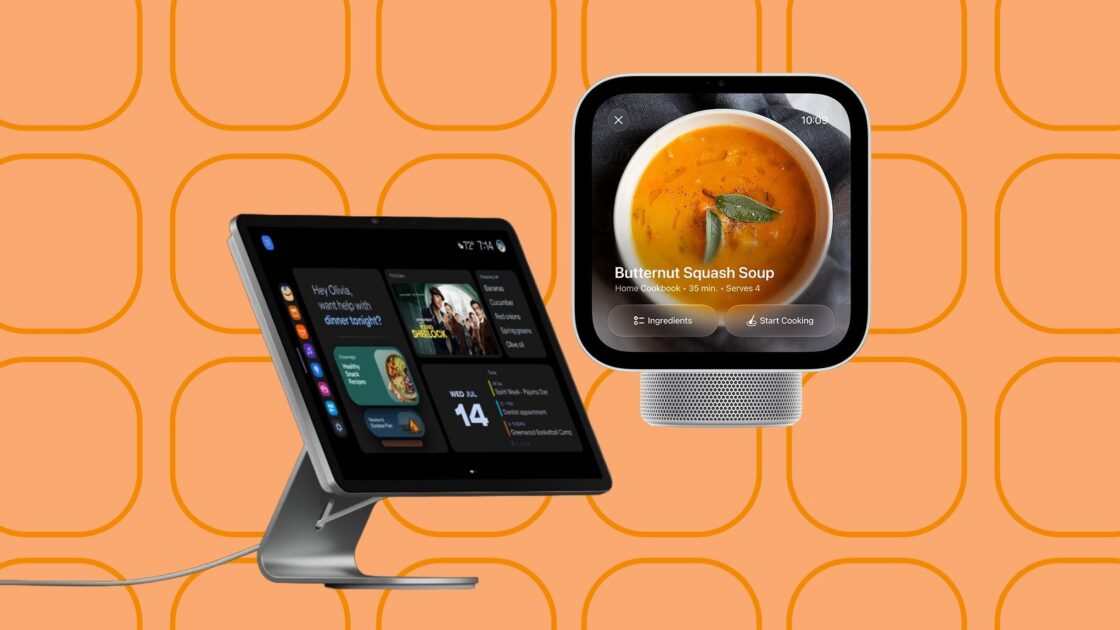
Three years after declaring the smart display category dead, tech companies are breathing new life into the market. Apple and Amazon have recently released new smart displays that aim to serve as a shared household computer rather than just underpowered speaker accessories, as reported by The Verge.
A Shift in Hardware and Purpose
The newly launched $299 Apple HomeView and the redesigned $499.99 Amazon Echo Show 16 feature computer-class hardware that addresses previous performance complaints. Apple equipped its device with an A18 chip and a Liquid Retina display, while Amazon utilized a MediaTek processor alongside a Nanomatte display. These upgrades shift the category away from limited software and sluggish performance toward devices built for daily family coordination.
Managing busy family schedules, smart home automation, and household chores traditionally created a heavy mental load, often trapped inside a single person’s smartphone. While communal screens like the Skylight Calendar gained popularity, tablets presented challenges with multiuser support and battery limitations. The new releases from Apple and Amazon deliver features long requested by users, including high-end hardware, easy multi-user switching, and always-on displays that operate as simply as a light switch.
Different Strategies for the Home
Despite addressing similar household needs, the two companies take divergent paths in how their devices integrate into daily life. Amazon designed the Echo Show 16 to function independently as a dedicated household hub that does not require a smartphone for setup. It treats the household as the primary user through features like Omnisense technology for presence sensing, color-coded family calendars, meal planning tools, and a full Fire TV integration.
In contrast, Apple built the HomeView as an extension of the iPhone. The device relies heavily on the user’s phone and facial recognition to unlock its full personal context, such as using Apple’s Siri AI to read text messages and automate routines based on incoming visitor arrivals. While Amazon offers a broader, maximal feature set at a higher price point for everyone, Apple provides a polished and narrower experience targeted specifically at its existing ecosystem users.