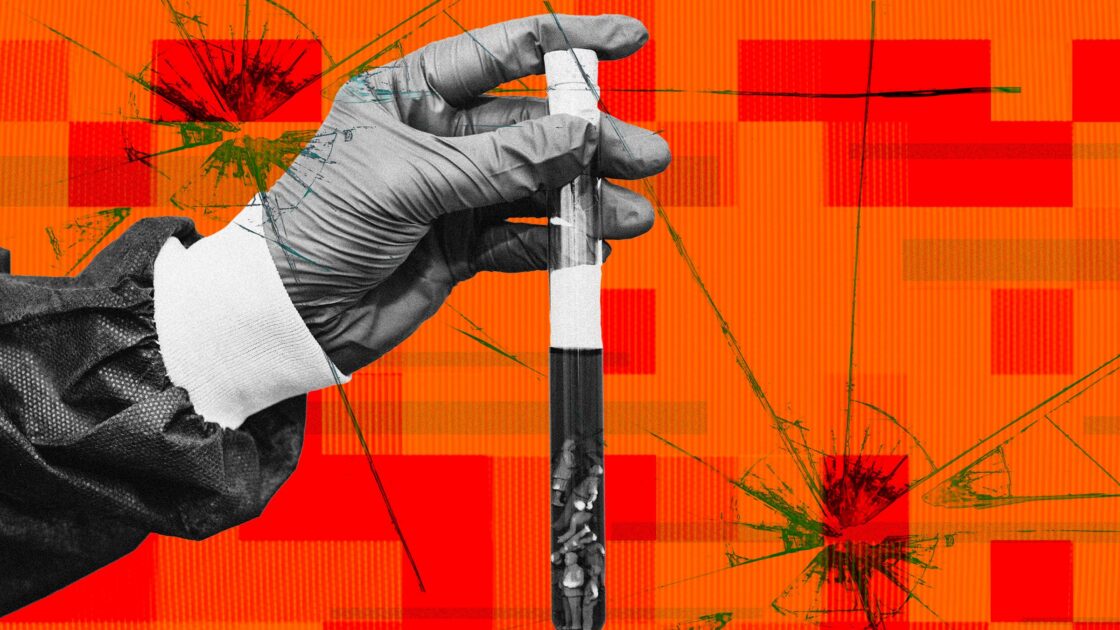
Artificial intelligence company Anthropic has noticeably tempered its ambitions regarding biological research in a recent IPO filing, despite previous grand claims from its leadership. While CEO Dario Amodei previously predicted that AI could compress years of scientific progress into a short timeframe and cure most human diseases within a decade, the new financial document adopts a much more cautious tone about transforming the life sciences industry.
Shifting from Software to Wet Lab Research
The IPO filing states that the company needs hands-on experience in scientific research and drug discovery. Anthropic notes that its life sciences initiatives will require venturing beyond its traditional background as a software and research organization. This expansion involves managing potentially hazardous materials, running laboratory equipment, and adhering to strict regulatory frameworks.
Furthermore, the filing uses much more conservative language regarding a previously hyped discovery of a Crispr-like enzyme by its Claude AI model. The document states that the enzyme only might possess the potential to evolve into a novel biotechnology tool for gene editing. This cautious phrasing follows skepticism from researchers consulted by WIRED, including one scientist who suspected the AI model utilized his specific unpublished research, an allegation denied by the company.
Facing Traditional Biotech Hurdles
The regulatory filing signals that Anthropic plans to integrate biotechnology discovery directly into its core business model rather than merely supplying external AI tools to the sector. However, the enterprise must now confront the notoriously protracted timelines inherent to the pharmaceutical industry. Any discoveries facilitated by AI still require rigorous testing in test tubes, animal trials, and ultimately human clinical evaluations.
The company acknowledges in the filing that any resulting drug candidates will encounter expensive, uncertain, and lengthy development paths characteristic of the life sciences sector, and warned they might never generate revenue. Although Amodei previously suggested that incoming waves of AI-generated drugs should benefit from streamlined regulations, US Securities and Exchange Commission filings traditionally require greater caution to protect against the legal liabilities of overpromising to investors.