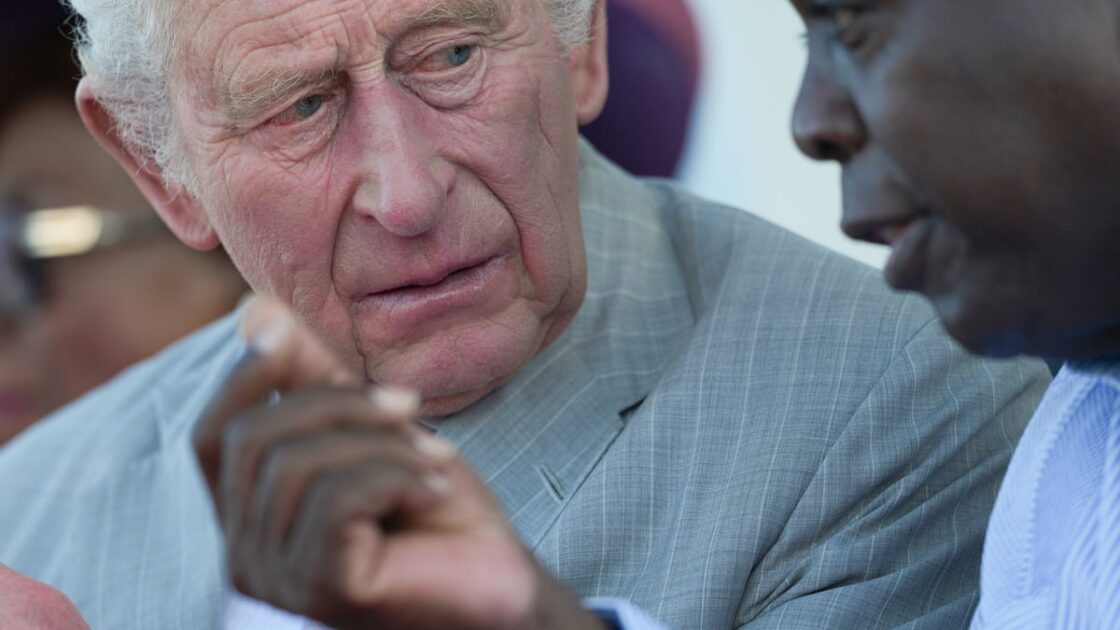
King Charles has confirmed he will discuss the legacy of slavery at an upcoming summit with Commonwealth leaders as he begins a nine-day tour of the Caribbean. The monarch arrived in the Bahamas on Tuesday for a ceremonial welcome and attended a youth rally at Clifford Park, where the country gained its independence from British colonial rule in 1973.
Polling and Pressure for Reparations
The royal visit coincides with a poll indicating strong support among younger people and Labour voters in the UK for a dialogue on slavery reparations. Conducted by More in Common and published by the Repair Campaign, the survey found that 40% of Britons supported a meeting on reparatory justice, with 19% undecided.
According to disaggregated data highlighted by Repair Campaign elder and former St Vincent and the Grenadines prime minister Ralph Gonsalves, support reached 60% among those aged 18-24 and 51% for those aged 25-34. The poll also showed that a majority of recent voters for the Labour Party (58%) and Liberal Democrats (57%) favoured such a meeting. Gonsalves told The Guardian that young people are demanding a conversation, which should prompt the king to offer a full formal apology, similar to the action taken by the Dutch prime minister.
Gonsalves expressed disappointment with the king’s maiden speech in the Bahamas, stating it fell short of previous remarks. In his address on Tuesday, Charles acknowledged past suffering, stating that some of the best elements of Bahamian culture were born out of darkness. He added that Commonwealth leaders would discuss the legacy of slavery at their meeting next week in Antigua.
Local Criticisms and Royal Response
A statement from the Bahamas National Reparations Committee argued that the king’s remarks fell short of justice, asserting that Bahamian culture was born out of agency and survival rather than darkness. Committee chair Dr Niambi Hall Campbell-Dean told The Guardian that the king’s words felt like hollow platitudes.
Similarly, the chair of the Caribbean Community Reparations Commission, Prof Hilary Beckles, stated that the region seeks proprietary justice beginning with remorse. Guyana president Mohamed Irfaan Ali, whom Charles is scheduled to visit on Thursday, has also called for the monarch to offer an apology.
Under the UK constitution, the king acts on the advice of his ministers, and government policy does not advise offering an apology or reparations. Prime Minister Andy Burnham and Foreign Secretary Ed Miliband are set to join Charles in Antigua for the Commonwealth heads of government meeting (Chogm).
A Buckingham Palace spokesperson stated that the king’s programme focuses primarily on modern partnerships at the request of host governments, while acknowledging that the tour represents a continuation of the monarch’s efforts to engage with and understand past aspects of history. Repair Campaign founder Denis O’Brien called for a time-lined commitment to holding talks with Caribbean states following previous expressions of regret.