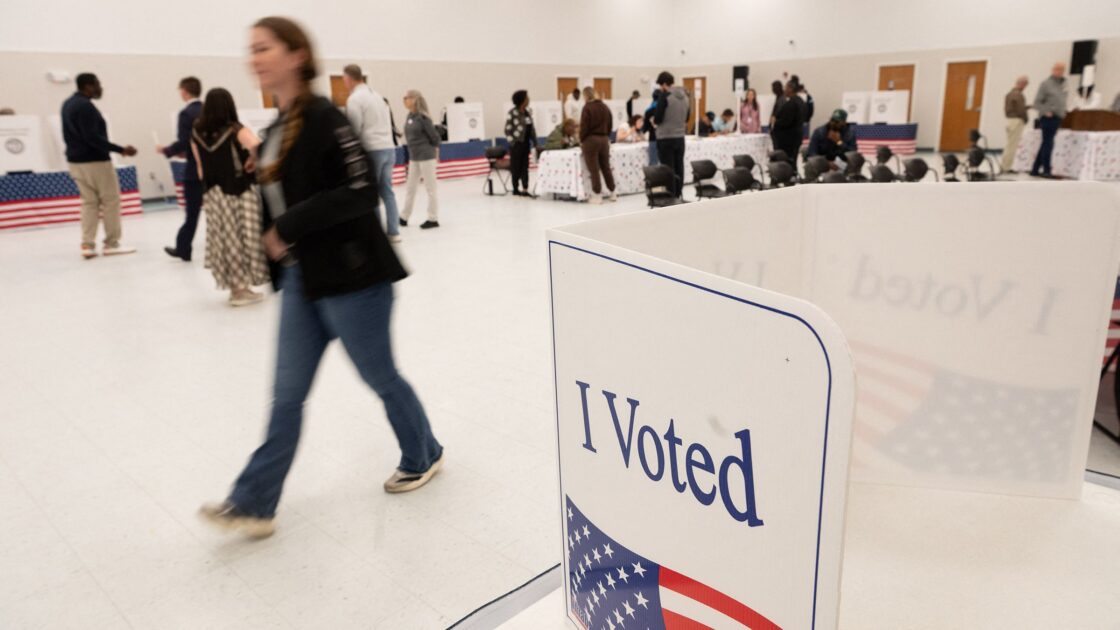
Recent midterm election results indicate growing momentum for the right-to-repair movement as candidates and ballot measures focusing on device and equipment ownership gained traction. Lawmakers and voters across different states advanced policies aimed at giving consumers and workers control over fixing their own property.
Bipartisan Support for Repair Policies
In Iowa, senator-elect Josh Turek incorporated repair policies into his platform, while presumptive Minnesota state representative Jake Johnson focused similar efforts on agricultural equipment used by farmers, though Johnson’s race awaited a potential recount. Meanwhile, voters in St. Paul, Minnesota, overwhelmingly approved a ballot measure protecting renters’ right to repair.
The right-to-repair movement gathers support from advocates in the United States and globally, pressing governments to stop manufacturers from blocking owners from repairing their purchased devices. The campaign draws backing across party lines from diverse groups, including everyday consumers, farmers, and wheelchair users.
According to Nathan Proctor, senior director of PIRG’s right-to-repair campaign, the current political climate favors these initiatives. Proctor stated in a text to WIRED that an environment where citizens demand policies supporting everyday people, lowering unnecessary expenses, and fostering bipartisan cooperation serves as an ideal setting for right-to-repair efforts.
Broader Ownership Struggles and Legislative Targets
Advancing repair legislation represents a key battleground in wider ownership disputes across the United States. Public frustration has grown as corporations transform standard products into subscription services or apply software locks to prevent individuals from modifying or repairing their own equipment. This frustration aligns with widespread discontent regarding economic pressures, where factors like tariffs, memory shortages, and an unpopular conflict with Iran have increased the cost of living.
Kevin O’Reilly, executive director of the consumer digital ownership advocacy group Fulu, noted that efforts to regain authority over personal devices reflect the core message voters delivered at the polls. O’Reilly told WIRED that people want greater affordability, reduced political polarization, and a Congress capable of resolving practical problems.
This dissatisfaction centers on Section 1201 of the Digital Millennium Copyright Act (DMCA), a 1998 federal law that criminalizes the circumvention of digital locks and threatens violators with potential prison sentences. Repair advocates have strongly criticized the statute because corporations utilize it to block unauthorized device repairs.
For advocates, the newly configured Congress presents a major legislative opportunity. O’Reilly suggested that given voter frustration bridging party divisions, incoming and returning lawmakers face a clear mandate. O’Reilly stated that if he were a member of Congress, he would view DMCA reform as an obvious choice.