Table of Contents
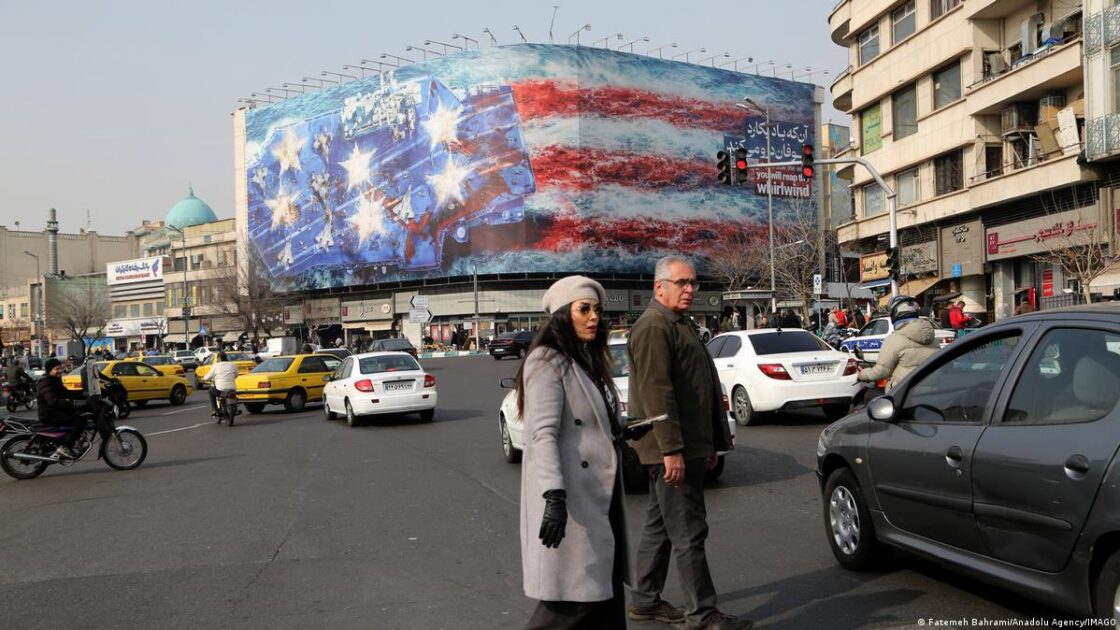
Iran’s leadership has downplayed the impact of Republican setbacks in the recent US midterm elections, asserting that the Democratic takeover of Congress is unlikely to change Washington’s approach toward the Islamic Republic. Supreme Leader Mojtaba Khamenei warned that those expecting the US to abandon its hostility through partisan shifts are mistaken, while also vowing a stronger response to any future American military actions.
Tehran’s Stance on US Political Shifts
The elections occurred against a backdrop of months of military confrontation between the two nations, which has impacted global energy markets and fueled concerns regarding a wider regional conflict. Mohammad Sadegh Javadi Hesar, an Iran-based journalist and member of the reformist Etemad-e Melli party, told DW that the election results would not alter Iran’s strategic calculations. He noted that while decisions regarding the conflict rest with Washington, Tehran is expected to maintain its existing demands, including the cessation of hostilities in Lebanon and the lifting of the US naval blockade.
Conversely, some Iranian officials viewed the results as a rejection of US military intervention. Parliament Speaker Mohammad Bagher Ghalibaf stated on X that American voters had effectively said “no to war,” though he acknowledged that economic pressures also played a role in the Republican losses. Ghalibaf also criticized US Vice President JD Vance for acknowledging the war’s role in the election outcome, suggesting he should address his concerns directly to his superiors.
Mohsen Rezaei, secretary of Iran’s Supreme National Security Council, claimed that Iran had dealt the US a political setback in Washington, in addition to challenging American forces in the Strait of Hormuz. Some media outlets, such as Etelaat Online, sarcastically suggested that the long-discussed “regime change” had occurred within the United States rather than in Iran.
Historical Parallels and Media Skepticism
State-affiliated media, including the Mehr News Agency, drew comparisons between the current political climate and the administration of former US President Jimmy Carter. The agency highlighted the failed 1980 US military operation to rescue hostages in Tehran, which ended in a fatal accident during a sandstorm, as evidence of the limitations of American military power. The agency noted that Carter’s subsequent loss to Ronald Reagan mirrored current political troubles for the Republican party.
However, hardline outlets remained dismissive of the election’s significance. The Tasnim News Agency, which is aligned with the Revolutionary Guards, argued that there is little distinction between the two major US parties regarding Iran. Using a Persian proverb, the agency suggested that both parties pursue similar objectives toward the Islamic Republic, regardless of their differing rhetoric.
Diplomatic Outlook
Veteran diplomat Hossein Alizadeh, who served in the Iranian diplomatic corps for 22 years, told DW that while the global impact of US politics is significant, the future of the conflict remains difficult to predict. Alizadeh, who resigned in 2010, noted that the US remains a hegemonic power whose internal developments affect the entire world, including the Middle East.
Alizadeh suggested that a large-scale military escalation by the US is unlikely. He contrasted the current climate with the previous administration, noting that Democrats have historically favored diplomatic agreements, such as the 2015 nuclear deal that placed Iranian nuclear activities under the oversight of the International Atomic Energy Agency (IAEA). He added that the negative consequences of a potential war have become increasingly clear to the US and its allies.