Table of Contents
An Air Serbia flight carrying high-ranking officials from former President Aleksandar Vucic’s regime was forced to turn back mid-flight due to an alleged security breach, marking an unusual start to a period of major political shift. The incident occurred shortly after the student-backed list secured a landslide victory in the parliamentary election, ending 14 years of rule by Vucic and the Serbian Progressive Party (SNS).
Unusual Flight Turnaround and Political Transformation
The November 3 flight from Belgrade to Moscow was already deep in Lithuanian airspace when the crew received instructions to return to the Serbian capital. Passengers on board included Aleksandar Vulin, former defense and interior minister; Dusan Bajatovic, director of Srbijagas; and minister without portfolio Nenad Popovic. All three are known for their close ties to Moscow and controversies involving corruption allegations. According to unofficial reports from several media outlets cited by Deutsche Welle: DW.com, the plane was recalled because Vulin allegedly boarded without undergoing mandatory security screening. Vulin stated he was traveling to extend a gas agreement, while Bajatovic denied knowing the purpose of the trip.
This episode coincided with a dramatic political turning point. On October 25, the student-backed list defeated the SNS in the parliamentary election. Although the new majority has not yet taken power, the aftermath brought rapid developments that included arrests, new criminal proceedings, and the reopening of dormant cases.
Rapid Judicial Action and Corruption Investigations
Prosecutor Bojana Savovic told Deutsche Welle: DW.com that the sudden activity by prosecutors paints a sad picture of the service, demonstrating what they were unwilling to do until just days prior. Investigators have launched multiple probes into electoral manipulation and high-level corruption. Four individuals were arrested in Novi Sad for suspected vote-buying, and six others were detained in Mali Zvornik for allegedly helping citizens from Bosnia and Herzegovina register to vote in Serbia.
Another major case involves the arrest of Davor Macura, owner of Alta Bank, who is suspected of illegally removing the equivalent of about €383 million ($430 million) from the bank’s vault. The arrest followed the National Bank of Serbia’s decision to revoke the bank’s license and start bankruptcy proceedings. Additionally, senior police officials, the head of the Republic Hydrometeorological Institute, and several public company managers have been arrested over suspected procurement abuses.
Allegations of Document Destruction
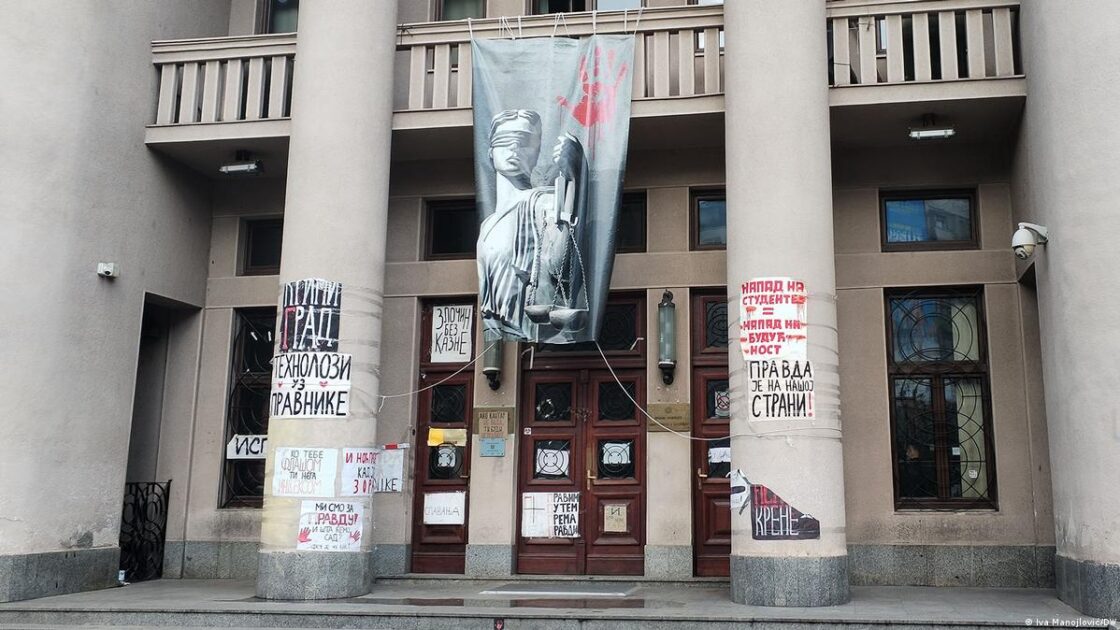
Amid demands from students and the incoming political majority for accountability, reports emerged suggesting official documents may have been destroyed in state institutions and public companies. In response, Prosecutor General Zagorka Dolovac issued a binding instruction on October 29 to all chief public prosecutors to prevent the destruction of records. The Students’ List also urged employees to report any document removal by outgoing authorities.
Regarding whether the investigations will reach the highest levels of power, former President Vucic stated he is not afraid of arrest and claimed no financial wrongdoing evidence will be found against him. Incoming MP Tanja Arsic told Deutsche Welle: DW.com that it would be tragic if top players were prosecuted without sufficient evidence or charged with lesser offenses.
Savovic emphasized that the prosecution’s success will be measured by final convictions and asset confiscation rather than populist arrests. She added that lasting transformation requires fundamental changes in the judiciary, police, and security structures, noting that decades of promoting blind obedience and self-censorship have left deep institutional challenges.
The outcomes of these upcoming courtroom trials will ultimately determine whether Serbia is permanently breaking away from its previous system of power.