Table of Contents
Violent clashes following recent Gen Z demonstrations across Germany have triggered a fierce political debate within the federal government regarding accountability and integration. While leaders agree that offenders must face punishment, conservative lawmakers point to migrant groups, prompting warnings from center-left officials against broad generalizations and prejudice.
Outbreak of Street Violence and Peaceful Beginnings
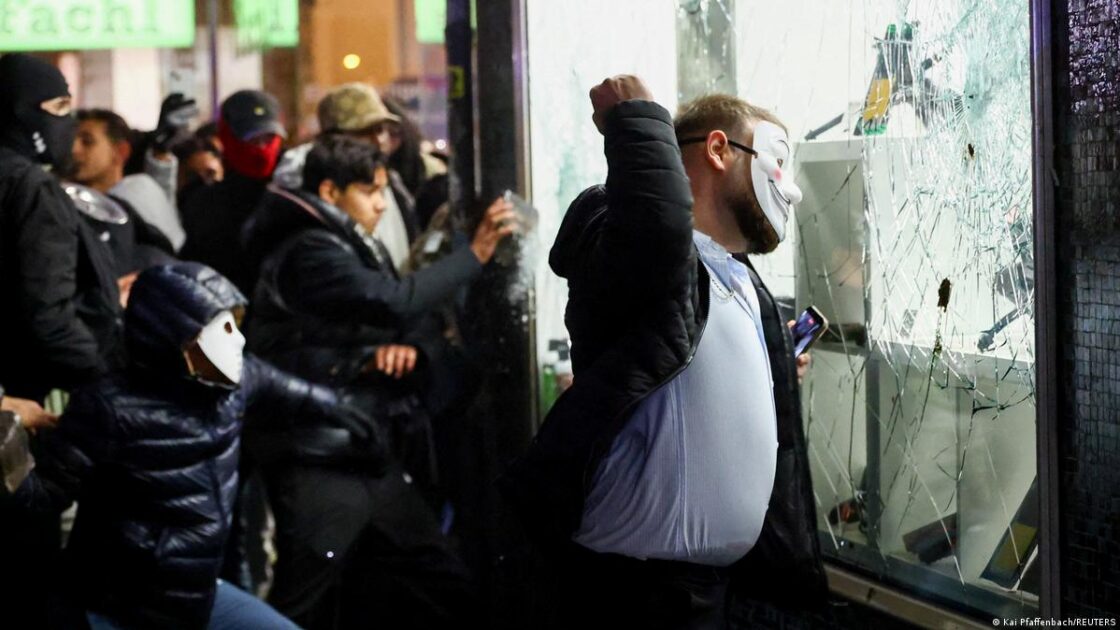
On Saturday, October 31, street battles erupted in Frankfurt following a demonstration, resulting in injuries to more than 100 police officers, including one severely, alongside widespread shop damage and looting. The situation also escalated in Cologne, Hamburg, and Berlin.
These incidents followed predominantly peaceful rallies involving tens of thousands of young people across the country. The initiative “Gen Z regelt,” which translates roughly to Gen Z takes charge, had organized the actions to highlight youth fears about the future while demanding affordable housing, better educational opportunities, and increased climate action.
Conservative Blame and Calls for Strict Measures
Hesse Interior Minister Roman Poseck and German Interior Minister Alexander Dobrindt quickly framed the response to the riots. Poseck noted that while most of those arrested were German citizens, the group of offenders predominantly came from a migrant background. Dobrindt, representing Bavaria’s CSU, stated that peaceful demonstrations into the evening had been hijacked by violent left-wing groups and migrant hooligans.
Chancellor Friedrich Merz supported these assessments, with his spokesperson Stefan Kornelius stating they matched investigating authorities’ observations and public images. Merz announced a zero-tolerance policy toward rioters. According to a speech script for a closed-door CDU party event in Berlin on Monday, November 2, Merz said that anyone attacking emergency services and looting shops attacks German freedom and ridicules society as well as the legitimate interests of young people.
Warnings Against Generalizations
The Social Democrats (SPD), sharing power in a coalition with the CDU and CSU, agreed on the criminal nature of the acts but disagreed on the rhetoric. Defense Minister Boris Pistorius questioned the use of the term “migrant groups” in an interview with ZDF on Sunday, November 1, asking when lawmakers will stop making such distinctions for third-generation individuals who hold German citizenship.
Federal Integration Commissioner Natalie Pawlik told the Frankfurter Allgemeine Zeitung on Monday, November 2, that attributing the riots simply to migrant milieus is too simplistic because blanket generalizations harm peaceful demonstrators and those working in emergency services. While stating that crimes must be punished, Pawlik added that investigations should address root causes such as experiences of marginalization, lack of prospects, and integration challenges.
Family and Education Minister Karin Prien of the CDU also emphasized examining the behavior’s causes, telling Deutschlandfunk that stirring resentment is politically wrong. Prien noted that Germany’s Federal Statistical Office reports around 31% of the population has a migration background—a figure exceeding 50% in Frankfurt—and stressed the need to address why integration fails in certain groups to prevent parallel societies.
Potential Protest Bans and Youth Engagement
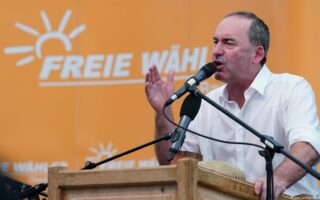
The political discussion intensified after Hesse’s interior minister suggested banning future Gen Z demonstrations. Regarding planned protests for November 20, Poseck argued that social peace is as crucial as the right to assembly, claiming organizers failed to control gatherings due to massive attacks against police.
Organizers immediately rejected these accusations and distanced themselves from the violence. The German Family Affairs Ministry announced that Karin Prien will meet this week with representatives from the Federal School Students Council and the German Education Union, as Prien emphasized the need to address the valid interests demanded by young people.