Table of Contents
Joshua Wong, a prominent figure in Hong Kong’s pro-democracy movement, has been sentenced to 10 years in prison. The court found him guilty of colluding with foreign forces under the city’s national security law, a measure introduced by Beijing in 2020 following widespread anti-government protests.
Sentencing and Legal Context
Wong, who turned 30 last month, has already spent the past six years in custody for previous convictions related to his activism. Although he was scheduled for release in January, this new sentence ensures he will remain behind bars for another decade. The judge noted that two months and two days of the new term will be served concurrently with his existing sentence.
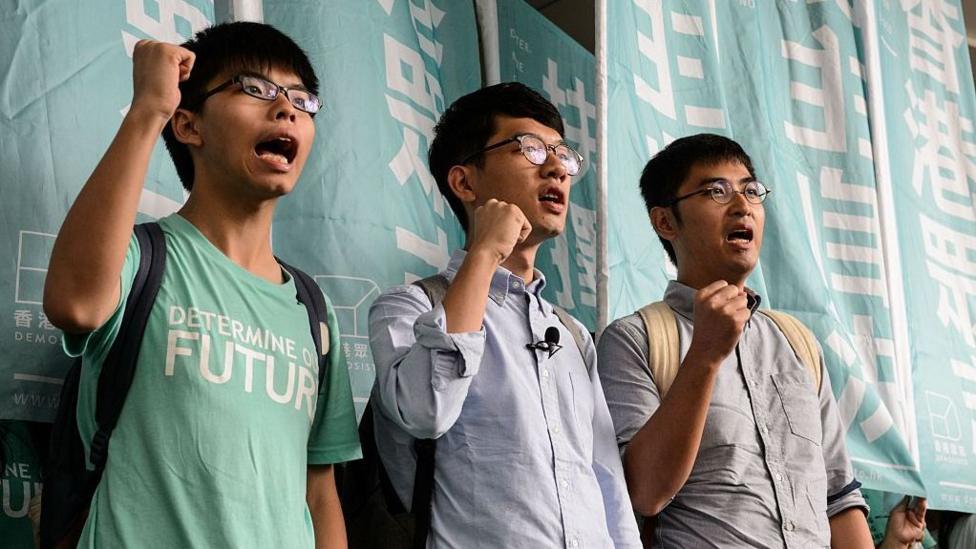
Prosecutors alleged that Wong conspired with other activists, including self-exiled campaigner Nathan Law, to lobby for foreign sanctions and blockades against Beijing between July and November 2020. Wong pleaded guilty to the charges in September. The case is part of a broader crackdown that has seen hundreds of campaigners arrested under the national security law, which authorities maintain is essential for stability, while critics argue it has dismantled the city’s autonomy.
Official Reactions and International Response
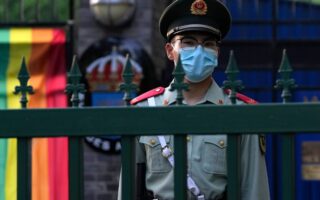
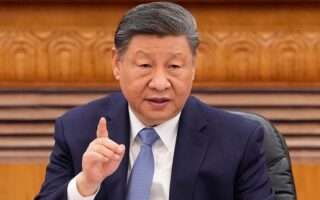
Hong Kong Chief Executive John Lee stated that Wong and Law were primary culprits who undermined the city’s prosperity and stability. In a statement, Lee claimed their actions prejudiced public well-being and national security. Meanwhile, China’s foreign ministry expressed firm support for Hong Kong’s efforts to safeguard national security, urging international parties to respect China’s sovereignty.
The sentencing drew sharp criticism from international observers and activists. Fellow activist Frances Hui, speaking to the BBC, described the verdict as part of a political crackdown intended to erase the contributions of a generation of protesters. The UK government labeled the sentencing a clear example of the national security law being used to target political expression, calling for an end to such prosecutions. The US consulate in Hong Kong stated that the ruling demonstrates Beijing’s willingness to go to extreme lengths to silence dissent, while Human Rights Watch characterized the sentence as cruel and unjust.
Background of an Activist
Wong rose to prominence as a teenager, co-founding the student group Scholarism in 2011. He gained widespread recognition for his role in the 2014 “Umbrella Movement” and later co-founded the political party Demosisto in 2016. Despite his high profile, Wong often rejected the label of “protest leader,” describing himself instead as a facilitator within a bottom-up movement.
Following the introduction of the national security law in 2020, Demosisto was disbanded. Wong remained in Hong Kong even as legal cases against him accumulated, including charges related to 2019 protests and a subversion case involving the “Hong Kong 47.” In a final message to the public posted on Instagram in November 2020, Wong expressed his enduring faith in the people of Hong Kong, stating his belief that they would find a way to endure the challenges facing their civil society.