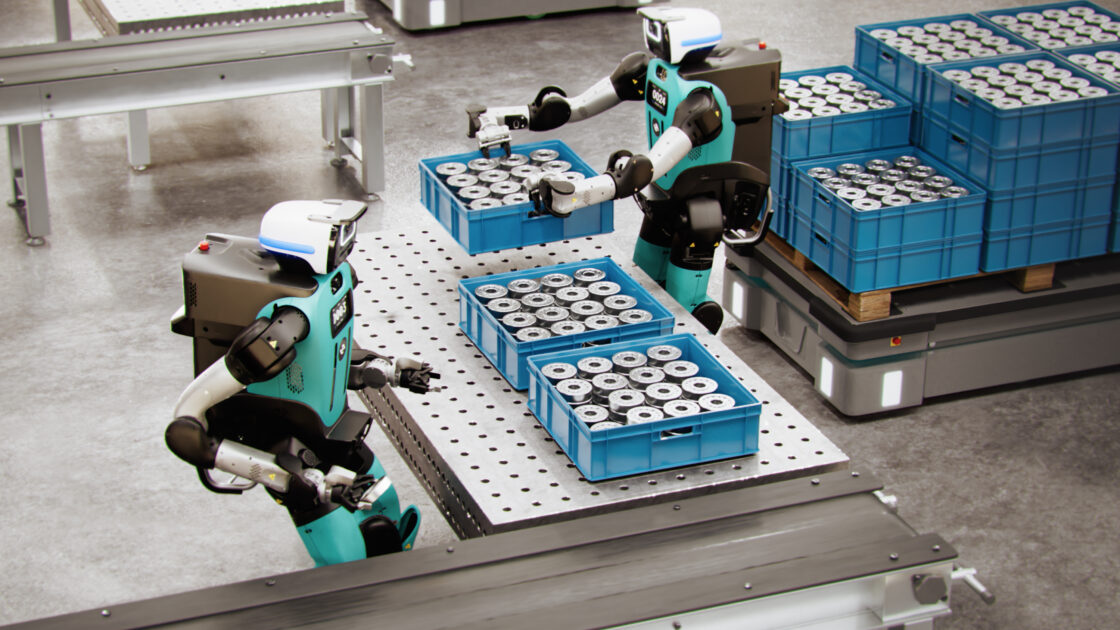
Agility Robotics has become the first dedicated developer of humanoid robots to list on a United States stock exchange. The Salem, Oregon-based company officially began trading on the Nasdaq on November 5, providing a rare glimpse into the financial realities of a sector that is still working to prove its commercial viability.
Market Challenges and Business Strategy
In its securities filings, the company acknowledged that humanoid robots have yet to achieve the widespread commercial success seen by traditional industrial robots, which have been utilized in factories and warehouses for decades. Despite this, Agility is positioning itself as a leader in the field, having already achieved full-time commercial deployment of its “Digit” robots at customer sites in 2024.
The company’s business model centers on selling or renting these machines to handle manual labor tasks. Jonathan Hurst, co-founder and chief robot officer at Agility Robotics, explained to Ars Technica that the “robots as a service” model is designed to minimize risk for clients. “When we are doing robots as a service, it is much lower risk for customers to use it because they are getting a return on investment on day one,” Hurst said. He added that because the service rates are comparable to human labor costs, the economic justification for businesses is clear.
Industry Standing and Future Growth
While numerous startups are currently racing to commercialize humanoid technology, Agility has distinguished itself through its active partnerships. The company has already deployed Digit robots with several major clients, including logistics firm GXO, automotive manufacturer Schaeffler at its South Carolina plant, and Toyota Motor Manufacturing Canada’s production lines.
GXO, which served as Agility’s inaugural customer, has already signaled confidence in the technology by announcing plans to expand its use of Digit robots. Beyond the initial deployment at a Georgia warehouse, the company intends to integrate the robots into additional facilities located in North Carolina and Tennessee.
The financial disclosures released during Agility’s merger with a special purpose acquisition company offer a unique perspective on the unit economics of the industry. Because most of Agility’s competitors remain private and have not disclosed similar operational data, these filings serve as a significant indicator of the current state and future potential of the humanoid robotics market.