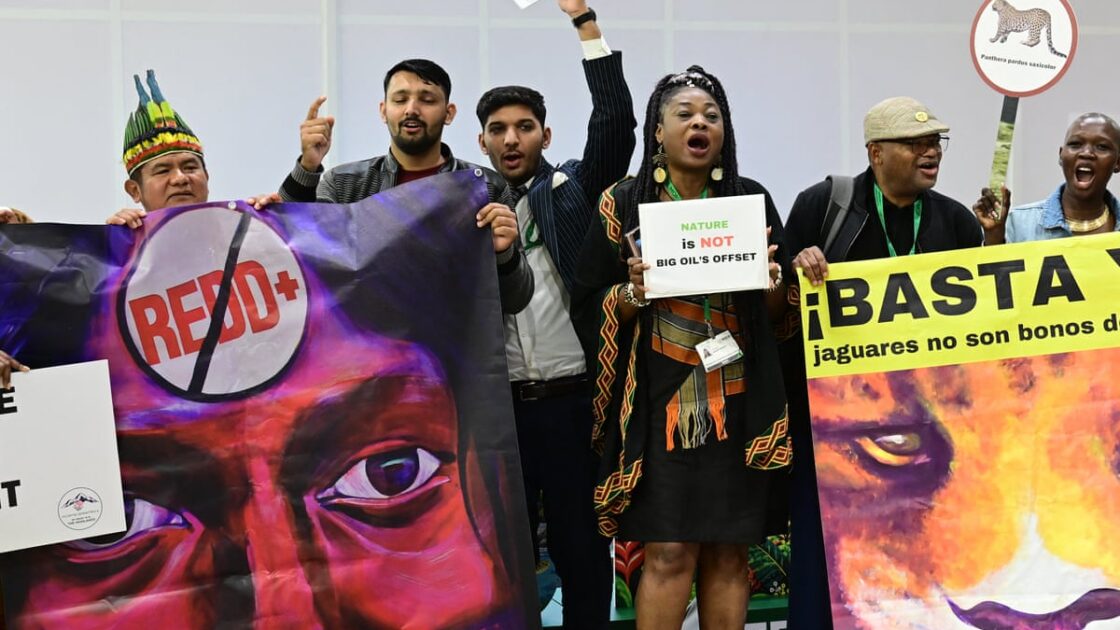
Environment ministers gathered at the Cop17 biodiversity summit in Yerevan, Armenia, are facing growing pressure as negotiations lag and participating nations appear set to miss nearly all of the nature targets agreed upon four years ago. The slow progress at the Meridian centre has intensified debates over whether the multilateral United Nations summit system requires structural overhaul.
UN Officials Urge Streamlining of Cluttered Process
The current lack of momentum threatens to extend the international community’s record of failing to meet its self-imposed biodiversity goals. Addressing the slowdown, Inger Andersen, executive director of the UN Environment Programme, told The Guardian that while global frameworks are producing results, the pace remains insufficient to match the scale of environmental degradation.
Andersen echoed remarks by UN Secretary-General António Guterres, who told summit participants: “Thank you. Good. Do more, but faster, because we are not where we want to be.”
Speaking on the sidelines of the Yerevan negotiations, Andersen noted that decades of establishing separate international agreements—spanning wildlife trade, migratory species, wetlands, and broader ecosystems—have created a fragmented global agenda. “Right now, the environmental agenda is very cluttered. There are lots of meetings, important as each one is. It will be very interesting for members states to look at the issue. Let’s begin with the easy stuff, like programmatic overlap between conventions, which has an energy-sapping effect,” Andersen said.
Implementation Gap Drives Reform Demands
A primary hurdle facing global summits remains implementation. Even when complex agreements are reached, multilateral mechanisms lack formal tools to hold underperforming countries accountable or penalize non-compliance, leaving full execution entirely to individual national governments.
Concerns over summit efficacy follow similar critiques raised during the Cop29 climate summit in Azerbaijan, where leading policy experts declared the traditional summit format “no longer fit for purpose” and urged a transition toward prioritizing enforcement over prolonged negotiation.
Governments in Yerevan are scheduled to finalize and sign an action plan aimed at restoring progress toward this decade’s biodiversity goals by the end of Friday, though attendees hold low expectations for significant policy shifts.