Table of Contents
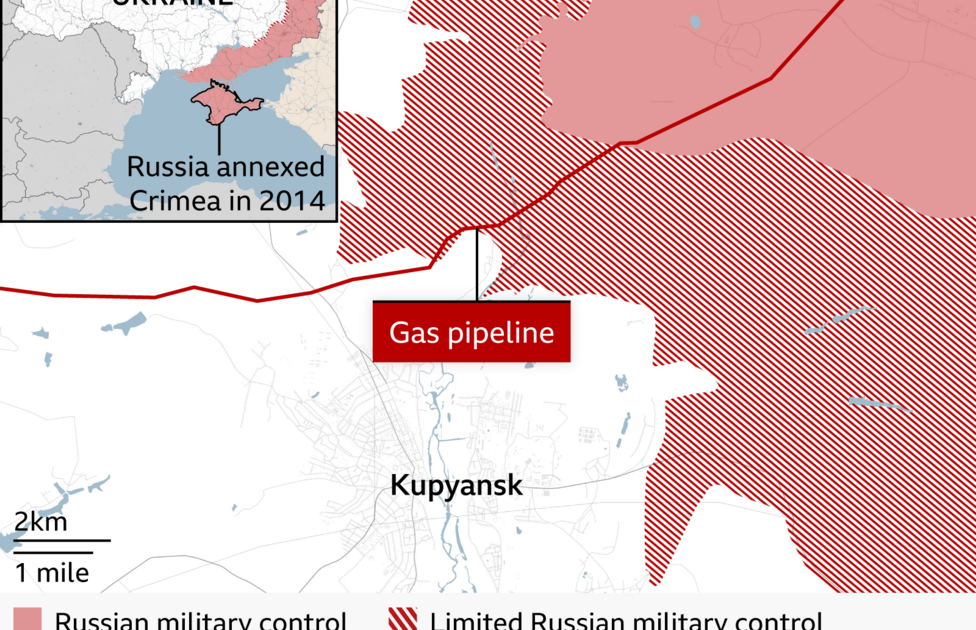
Ukrainian forces have shifted a significant portion of their combat operations underground, utilizing a decommissioned Soviet gas pipeline in the Kharkiv region to bypass the constant threat of Russian drones. For the past seven months, soldiers have lived and fought within the narrow, steel-encased tunnels, a strategy that has become essential as aerial surveillance makes traditional surface maneuvers nearly impossible.
A Subterranean Battlefield
The pipeline, which measures just over a meter in diameter, offers a cramped environment where troops must crawl to navigate. Zanuda, a planner of the operation, described the environment as a new frontier of warfare. He explained that while surface combat allows for tactical maneuvering, the pipeline forces soldiers into direct, head-on confrontations with the enemy. The journey into the tunnels involves navigating through muddy terrain under the constant threat of Russian drones, followed by an entry into a space filled with the scent of gas and stagnant air.
To move personnel and supplies, Ukrainian troops utilize a custom-built electric cart, jokingly referred to as the “Kupyansk metro.” The pipeline has become a vital artery for the 13th Khartiia Brigade of Ukraine’s National Guard. Soldiers like “Musician,” who has spent three months living in the tunnels, manage logistics from makeshift dug-outs carved into the pipeline walls. Despite the claustrophobic conditions, troops often express relief when underground, noting that they are shielded from the artillery shells and glide bombs that dominate the surface.
Operation Veles and the Cost of Progress
The mission, dubbed Operation Veles after a Slavic god of the underworld, began in April. Since then, Ukrainian forces have advanced 15 kilometers along the pipeline. The progress has been slow and dangerous, requiring soldiers to clear debris, water, and Russian-laid barricades. Some of these barriers were booby-trapped or obstructed by the bodies of fallen soldiers, forcing Ukrainian troops to navigate over them in the dark.
Soldiers reported additional hazards, including the unpredictable ricochet of gunfire within the steel pipes. According to official Ukrainian figures, the operation has resulted in the deaths of over 100 Russian soldiers and the capture of 30 prisoners. The physical toll on the troops is significant; many suffer from skin abrasions, breathing difficulties, and occasional panic attacks due to the extreme confinement.
International Involvement and Future Strategy
The operation has been bolstered by foreign volunteers, including hundreds of fighters from Colombia’s RUG 23rd Assault Regiment. One volunteer, known by the call sign “Gecko,” described the experience as grueling, noting that it took 30 days to clear just 500 meters of the tunnel. The commander of the operation, whose background as a miner helped prepare him for the psychological demands of the mission, maintains constant contact with his men from a surface control room.
Despite the tactical success of the pipeline mission, which has helped Ukraine reclaim territory and provided a morale boost, military planners acknowledge that it has not altered the overall course of the war. Russian forces continue to contest the pipeline, frequently attempting to infiltrate Ukrainian positions by burrowing their own entry points. Zanuda believes that underground warfare will remain a necessity, noting that the extensive network of Soviet-era infrastructure across Ukraine provides numerous opportunities for similar operations in the future.