Table of Contents
The understanding of refugees as complex individuals motivated by a desire to build new lives or return home has largely been lost in modern discourse. A new documentary film offers a different and truer perspective on the lived experiences of displaced people.
Challenging the Mainstream Refugee Narrative
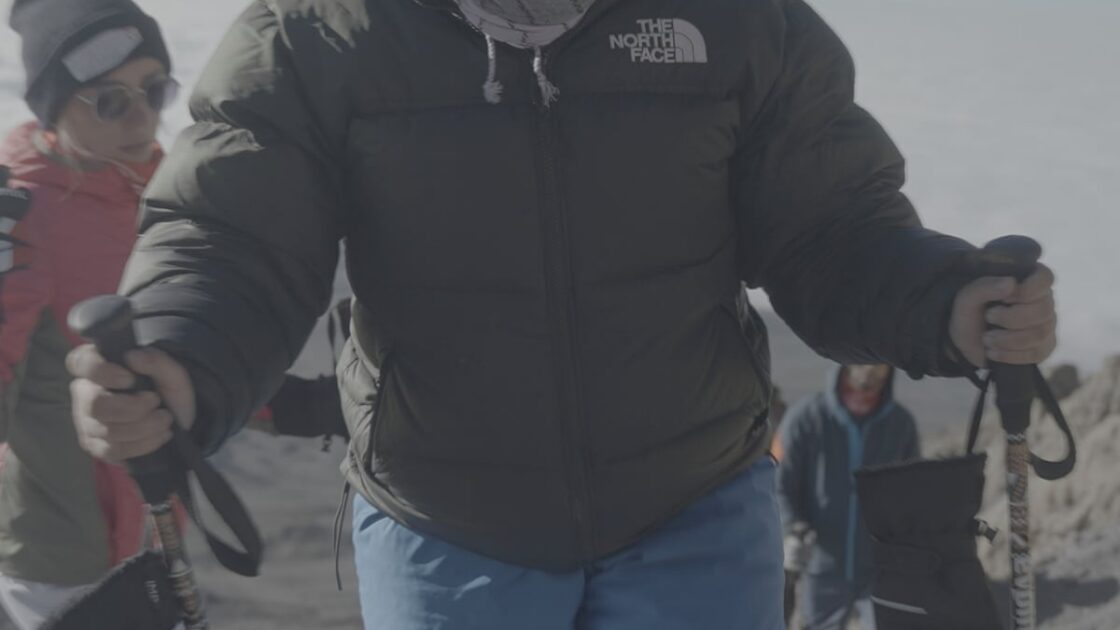
A recent screening of Seize the Summit followed four refugees as they attempted to climb Mount Kilimanjaro. The film was directed by Arwa Damon and discussed during a panel event. Hanya, a recent Goldsmiths MA graduate who helped organise the event, noted that the film’s purpose was to mainstream the idea of the refugee as a human being.
Current affairs storytelling frequently frames refugees into distinct categories: the desperate victim, the potential criminal, or the retrospective hero battling unimaginable odds. Alternatively, refugees are discussed en masse without individual traits, focusing purely on whether host states can accommodate them and how long they may stay. This narrow framing strips away both individual personalities and the universal reality of a status forced upon them.
Narrow Gender Stereotypes and Media Erasure
In the mainstream imagination, the refugee identity toggles between hero, villain, and victim. Child refugees are almost exclusively framed as victims, leading to endless public debate and tabloid speculation regarding their actual ages. Meanwhile, male refugees face steady erasure as complex individuals, often caricatured by certain media outlets as predatory figures or men who should be fighting at home rather than seeking asylum.
Within these rigid tropes, male refugees are permitted anger only as part of an antisocial persona, never legitimately. Female refugees, on the other hand, are denied anger entirely—even after losing their homes and children—and are restricted solely to sorrow.
The Human Reality of Struggle and Recovery
Seize the Summit follows Shaqayeq from Afghanistan, Adnan and Safa from Syria, and Tania from Ukraine. Damon explained that the film focused on nature and recovery rather than war and displacement. The documentary illustrates the devastating impact of life-changing injuries, showing Safa, who suffered severe burns affecting her breathing, and Adnan, who was shot by a sniper at age 14 and lost the use of his body from the chest down. Neither reaches the summit, with Adnan’s journey highlighting his painful struggle to accept help and rely on others to experience the mountain.
Speaking on the discussion panel, human rights barrister Ronan Toal noted that the Somali word for claiming asylum translates to “surrender.” This highlights the profound pain of casting oneself upon the mercy of strangers—an agony any person would find difficult to endure. As Hanya, who is from Gaza, pointed out during the discussion, refugees are routinely denied basic human traits, including a sense of humour.
While Seize the Summit does not romanticize the realities of war, it captures the mountaineers sharing moments of laughter. Rather than presenting a traditional heroic narrative of overcoming adversity, the documentary simply portrays human beings experiencing life.