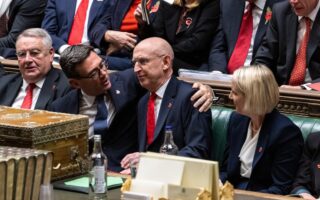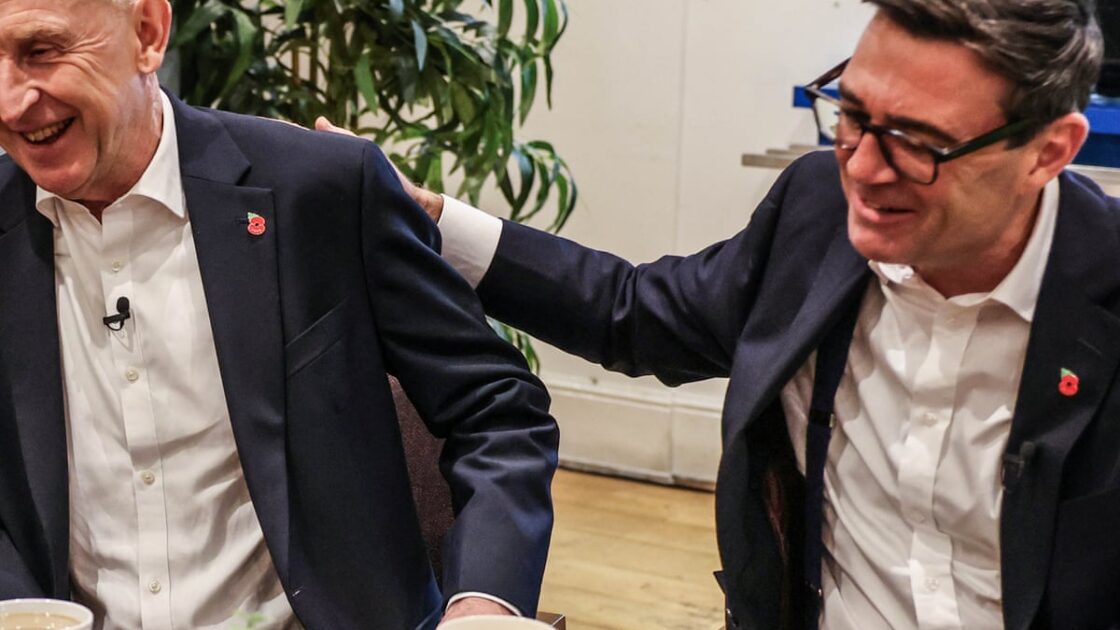
The day after a government budget is normally when policies begin to unravel as economists and journalists examine the fine print. However, following the latest financial statement, politicians like Andy Burnham and John Healey found themselves with little to defend due to an absence of massive tax or spending commitments.
A Budget of Small Interventions
The announcement focused instead on a series of small-scale measures aimed at assisting individuals with their personal finances, earning it comparisons to consumer expert Martin Lewis. Billed as the “breathing space” budget, it was designed to help people get through the coming year without major financial shocks. At the same time, the strategy provided crucial breathing space for the government itself by delaying difficult decisions and granting officials a year of grace.
During the morning media round on the BBC’s Today programme, presenter Nick Robinson engaged in a notably subdued interview with the chancellor. Healey delivered a typically pessimistic assessment of the economic landscape, citing ongoing global challenges from Brexit and the pandemic to conflicts in Ukraine and Iran, alongside high energy prices.
IFS Verdict and Political Reaction
When Robinson questioned whether the chancellor could lower the benefits bill, Healey initially stated that a reduction would occur. This prompted immediate clarification from Treasury officials, who contacted journalists to clarify that the government had no immediate plans to cut a benefits bill it did not know how to pay for.
Shadow chancellor Andrew Griffith faced similar questioning during his media appearances, where he insisted he would have approached the budget differently without detailing specifics. Robinson noted Griffith’s previous involvement in defending the Liz Truss mini-budget, while Griffith maintained he would never publish plans without identifying funding sources, despite announcing billions in planned tax cuts.
Meanwhile, the Institute for Fiscal Studies (IFS) delivered its official assessment. IFS director Helen Miller explained that her team found very few fatal flaws because the budget contained so little substance. While expressing disappointment over certain cack-handed and complicated tax measures, Miller concluded that the chancellor’s approach relied on hoping conditions improve without taking major action.