Table of Contents
Street protests erupted across Syria last month as citizens blocked roads and burned tyres to express fury over soaring fuel prices. This unrest marked the largest wave of discontent since President Ahmed al-Sharaa took power two years ago following the fall of Bashar al-Assad.
Mounting Financial Pressures and Austerity Measures
While citizens celebrated the end of five decades of Assad family rule and a 13-year civil war, financial conditions have deteriorated for many. In a Damascus suburb, cleaner Fatima Saleh Eid told BBC News that her family has suffered immensely, noting that her husband recently found work at a ceramic factory after a year of unemployment while many others remain jobless.
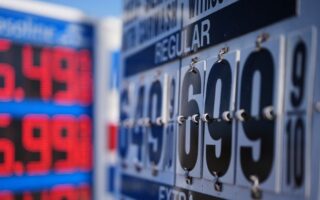
Since taking office, the government implemented an austerity drive that slashed long-held subsidies. Bread prices increased tenfold, electricity costs surged by several hundred percent for some, and fuel prices aligned with international averages, driving up transportation costs and burdening farmers. Although authorities adjusted public sector wages and pensions, those gains were quickly erased by relentless inflation.
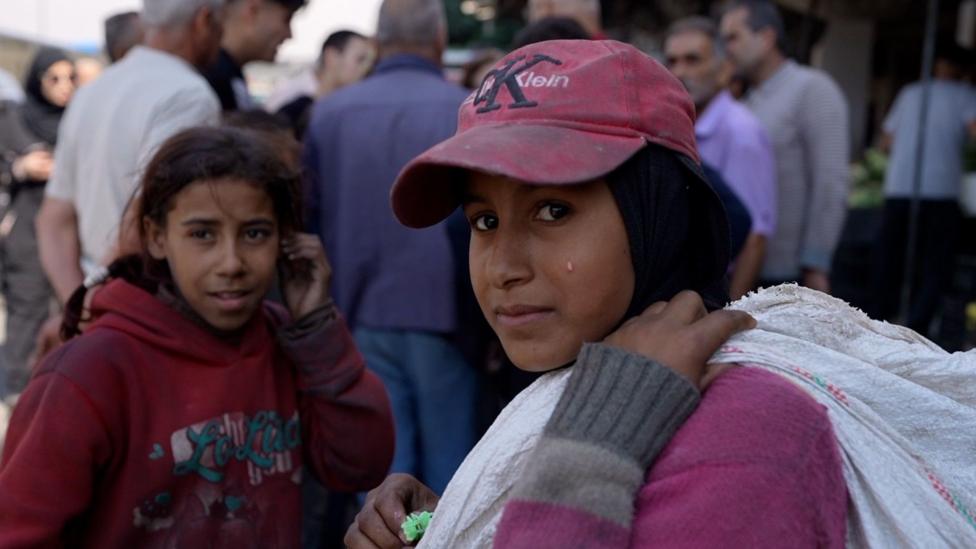
During market visits, BBC News witnessed widespread desperation. Residents reported eating smaller portions and cutting out meat and chicken entirely. One young man stated his family could no longer afford heart medication for his father, while a mother explained she could only afford proper meals for her children every two days.
Struggling Pensioners and International Pressures
Marwan Bashour, a 68-year-old pensioner earning the public sector minimum wage of roughly $90, told BBC News he frequently sells household items, gifts, and furniture or borrows money to survive. According to the United Nations Development Programme, 90% of Syrians lived in poverty last year. Compounding these hardships, aid agencies have been forced to curtail services due to funding reductions, and the broader regional conflict involving the US and Iran has further strained local energy markets.
Another pensioner, 63-year-old Nabil al-Remhein, reported that none of his four adult children could find work, leaving his family to survive on a single meal a day. At his home, Nabil’s wife performed chores in the dark because they turned off the refrigerator for five hours daily and restricted lighting to save on electricity bills, though their latest bill still consumed about a third of their income.
Expert Analysis on Economic Policies
Dr Haid Haid, a Syrian columnist and consulting fellow at the London-based think tank Chatham House, told BBC News that a significant portion of the population is worse off now than under the previous regime. He stated that the economic crisis stems partly from the legacy of the former administration, but also from liberal free-market policies that fail to account for the impact on everyday citizens. A spokesperson for the Syrian economy and industry ministry was unavailable for comment.
President Sharaa has achieved notable diplomatic and security gains, including the lifting of international sanctions, removal from the US terrorism sponsor list, and the consolidation of control over the resource-rich north-east. However, the World Bank estimates that reconstruction costs will reach $216 billion, and foreign assistance remains essential to rebuild a nation where half a million people died and half the population was displaced.
Samir Aita, a Syrian economist leading the Paris-based Circle of Arab Economists, told BBC News that the crisis reflects a mix of policies and unmanaged public expectations. “It’s unsustainable,” he said. “If they don’t change, I fear chaos.”
Despite the exhaustion of long-term conflict, some citizens urge patience. Abu Mahmoud, a cab driver, told BBC News that the current administration inherited a bankrupt nation and that recovery cannot happen overnight.