Table of Contents
Culture Secretary Lisa Nandy has rejected accusations of politicising Remembrance Sunday after facing sharp criticism for linking the event to the UK rejoining the European Union’s Erasmus scheme. Her department announced that the student exchange programme would give a new generation the chance to build European connections as the nation marked the solemn day.
Backlash From Political Opponents
The announcement sparked an immediate backlash from the Conservative Party, with officials arguing that veterans did not fight for a student exchange scheme and accusing the government of making an EU membership pitch. Conservative Party chairman Kevin Hollinrake described the remarks as tone deaf and shameful, calling on Nandy to issue an apology and stating that the bonds forged by veterans run far deeper than Erasmus.
Reform leader Nigel Farage told BBC News that using Remembrance Sunday to announce the scheme and tie it to themes of peace and war was in very poor taste. Furthermore, Peter Sharples, chief executive of the Veterans Institute, told the Telegraph that the public should focus solely on honouring the fallen on Remembrance Sunday rather than engaging in party political matters.
Nandy Stands by Remarks
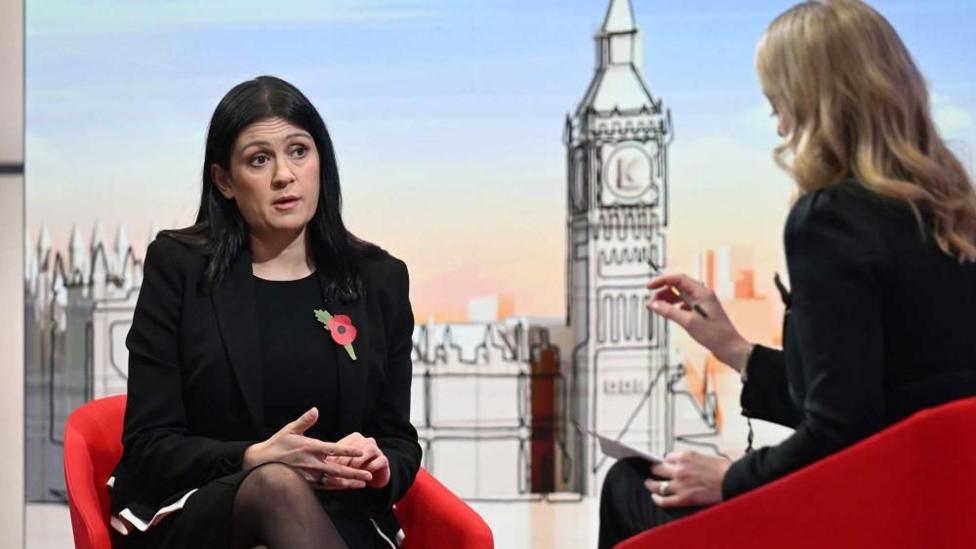
Appearing on the BBC’s Sunday with Laura Kuenssberg programme, Nandy stated that she was horrified by the Tory response and insisted that the expanded study and work scheme would help young Britons understand wartime sacrifice. She referenced Winston Churchill’s post-Second World War efforts to extend a hand of friendship across Europe to honour the legacy of that generation.
Nandy explained that leaving the EU had closed off opportunities for young people to understand how British troops fought for freedom across Europe. She maintained that linking the commemoration to the cultural benefits of the scheme was a matter of common sense that would not have raised eyebrows in the past.
Details of the Erasmus Return
The UK is paying £570 million to join the expanded Erasmus+ scheme, representing what the government described as a 30% discount. The programme will provide free year-abroad placements for university students from the UK and Europe, along with cultural exchanges, free train passes for 18-year-olds to visit EU nations, and short exchanges for youth groups focusing on underrepresented regions like the Midlands and the north of England. Applications for Erasmus+ are scheduled to open later this month.
Farage criticised Erasmus as an expensive alternative to the Turing Scheme introduced in 2021 and raised concerns over ongoing youth mobility negotiations ahead of a November 20 summit. Meanwhile, Nandy noted that most Brexit benefits promised in 2016 have not materialised, leaving trade-offs and choices to be made regarding the future relationship with the EU.