Table of Contents
The European Union’s highest court ruled on Thursday that food products containing cannabidiol (CBD) cannot be granted organic certification unless they have first received official authorization for sale within the bloc. The court determined that awarding an organic label to these products could potentially mislead consumers into believing the items have already undergone the necessary safety approvals.
Understanding CBD and EU Regulations
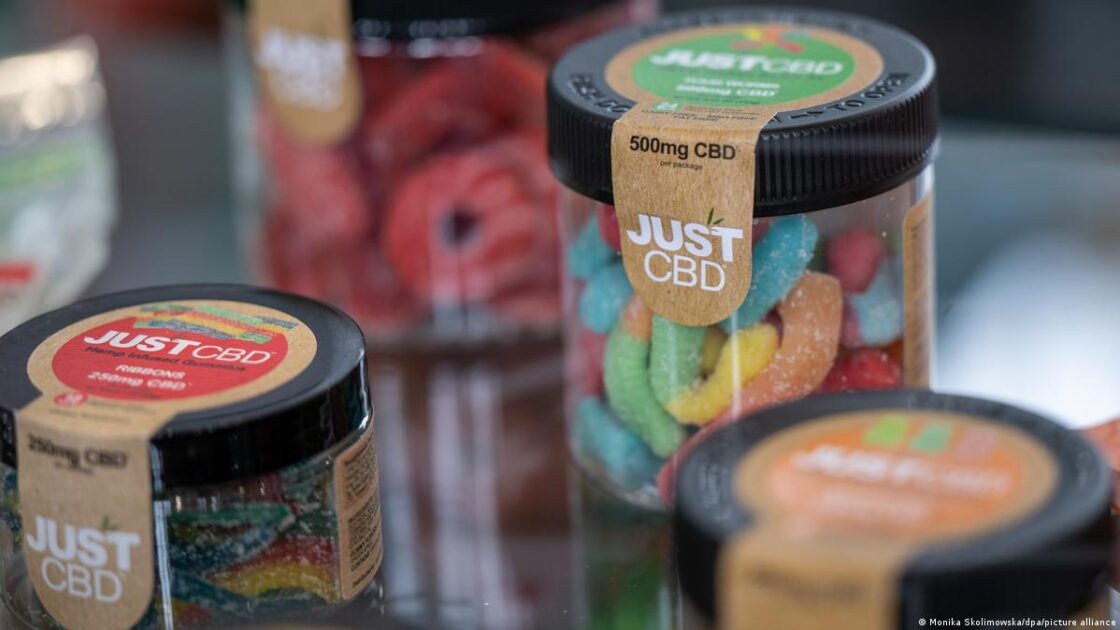
CBD is a chemical compound derived from cannabis, typically extracted from hemp plants that contain low levels of THC. Unlike THC, CBD does not induce a psychoactive “high.” It is currently a popular ingredient in various wellness products, including gummies, oils, and capsules, which are frequently marketed as aids for pain relief, stress, or sleep.
Under European Commission regulations, CBD is categorized as a “novel food,” defined as any food that was not consumed to a significant extent within the EU prior to May 15, 1997. Consequently, such products must undergo a rigorous safety assessment and receive formal authorization before they can be legally marketed. While the court noted that CBD has not yet received this authorization, it clarified that this does not imply the substance is unsafe. The ruling specifically addresses food products and does not apply to the use of CBD in medical treatments.
Impact on Organic Certification
The court emphasized that adhering to organic production standards does not exempt a product from the requirement for market authorization. According to the court, “Such certification contributes to the promotion of those products and conveys, in the eyes of consumers, a positive image of quality and approval.” This restriction applies to all relevant products, including those intended for export to markets outside the European Union.
It is important to note that the ruling is limited to CBD-based or CBD-enriched foods that currently lack EU market authorization. Other cannabis-derived products, such as standard hemp seed oil or hemp seeds, remain eligible for sale and organic certification provided they meet the established production standards.
Background of the Legal Dispute
The case originated in France, where the national organic farming regulator, INAO, instructed certification bodies that products containing CBD could not be labeled as organic. The regulator also prohibited the use of CBD as an ingredient in certified organic foods, though it provided an exemption for hemp oil that has not been enriched with CBD.
These restrictions were challenged by a hemp industry association, leading the case to the French Council of State. The Council of State subsequently referred the matter to the EU court for guidance. The French court is now required to resolve the dispute in accordance with the interpretation provided by the European Court of Justice.