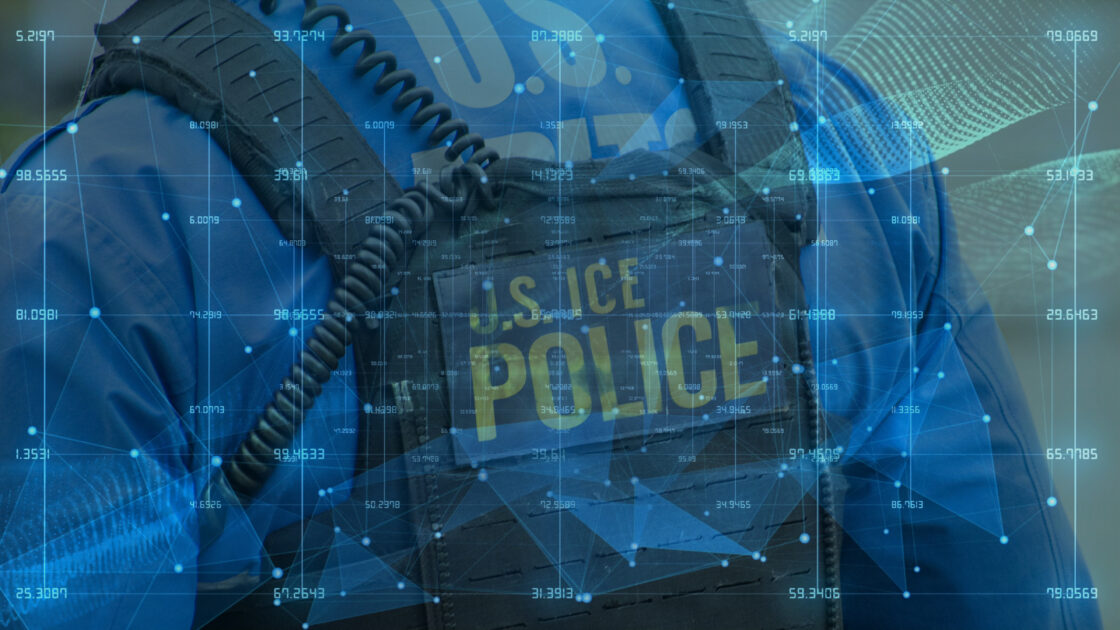
A recent cyberattack on the Department of Homeland Security by an activist group has exposed the personal details of more than 41,000 employees. The compromised records include workers from Customs and Border Protection, Immigration and Customs Enforcement, and government cybersecurity personnel.
The Breach and the Icepick Search Tool
According to CNET, data gathered from the breach was published online in a searchable repository named Icepick on the Distributed Denial of Secrets website. As reported by the leak-hosting platform, a hacktivist collective called the Department of Peace infiltrated an Okta single sign-on service utilized by the DHS, stealing names, contact details, and assignments of employees. The collective subsequently shared database copies with DDoSecrets and with maia arson crimew, a self-described Swiss investigative journalist and cybersecurity researcher who developed the online search tool.
The hacktivist crimew characterized the incident as an unprecedented and massive exposure of internal structures within the DHS. By revealing exact roles, chains of command, and agent identities across agencies like ICE, the dataset functions as a complete game changer that leaves the department vulnerable to external scrutiny for years ahead.
The attack appears to serve as retaliation against government-led surveillance measures, encompassing ICE enforcement tactics driven by technology and private partnerships with entities such as Flock Security. The Department of Peace referenced a July statement by DHS Secretary Markwayne Mullin regarding turning up the heat on the streets—referring to intensified immigration crackdowns and arrests—and stated that the breach demonstrates the consequences of such actions. The hackers included a note asserting that since authorities possess civilian information, fairness dictates that the public possesses theirs.
A DHS spokesperson told CNET that the agency is aware of a potential breach and is actively working to address the situation swiftly and effectively, adding that all security threats against employees and officers are taken seriously to ensure proper protection.
Data Contents and Institutional Fallout
Following the leak, the DHS has worked to remove websites hosting the information, including the Icepick archive domain. The social network Bluesky chose to block links to DDoSecrets, informing TechCrunch that community guidelines forbid unauthorized sharing of personal information and content carrying safety risks.
While the 41,000 affected personnel represent a small portion of the nearly quarter-million DHS workers, the exposed data extends beyond basic contact details. Reports indicate the leak reveals office addresses, phone numbers, internal work system details, and department operations.
Because hackers accessed the system via the Okta secure employee login portal, they viewed the master list of applications linked to the dashboard. This exposed an inventory of surveillance applications utilized by ICE, including specialized wiretapping software like Penlink alongside AI tools such as ChatGPT and Gemini, raising questions regarding federal agencies feeding case files or border data into commercial AI models.
Although cross-referencing Icepick data could compromise undercover operations, it also risks including unrelated personnel such as airport security workers. However, DDoSecrets cofounder and journalist Emma Best stated that the release is strategic rather than an indiscriminate dump, noting that Icepick identifies architects and drivers of DHS policy and operations rather than every single employee.
Public reaction reflects a crisis of institutional legitimacy, with many observers viewing the exposure as forced transparency against a federal department operating with impunity. Concurrently, technology companies contracting with ICE or DHS face escalating operational crises, as external hacktivists target infrastructure to unmask agents while internal employees demand contract cancellations on moral grounds.
This dynamic surfaced recently at robotics firm Boston Dynamics after reports indicated ICE planned to spend up to $2 million on Spot robots. Hundreds of employees signed a petition expressing dismay that their work would be used by a government agency that brutalizes civilians.
The DHS incident mirrors a broader trend detailed by the Electronic Frontier Foundation regarding enterprising hackers initiating counter-surveillance projects against ICE, including web tools and applications designed to track officer movements and counter automated license plate reading cameras.
Cooper Quintin, senior staff technologist at the EFF, emphasized that people are not powerless against law enforcement agencies possessing massive surveillance capabilities, noting that surveillance self-defense remains achievable.