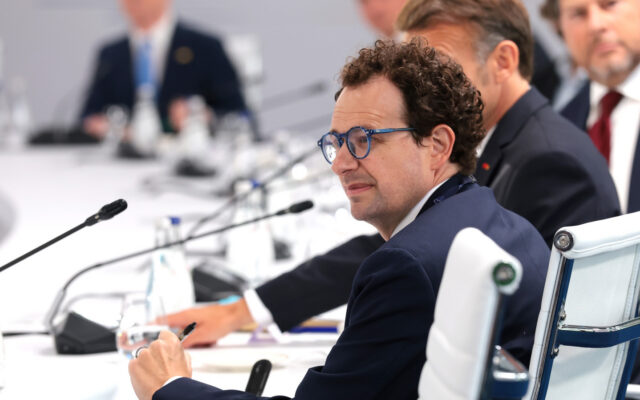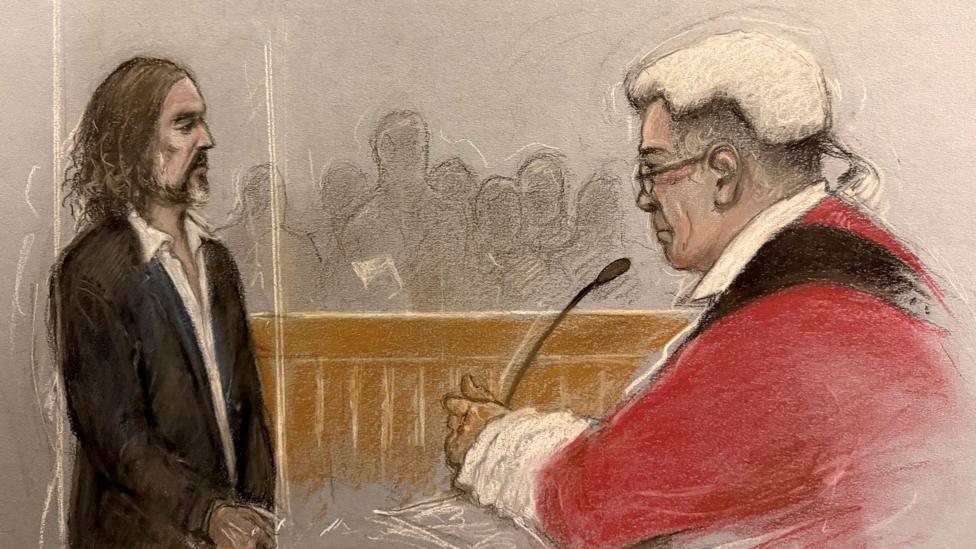
Culture Secretary Lisa Nandy has issued a stern warning that the media industry is still failing to protect women from abuse, stating that time is up for organizations to address the issue properly in the wake of Russell Brand’s conviction.
Calls for Action Following Brand’s Conviction
Speaking to the BBC’s Sunday with Laura Kuenssberg, Nandy stated that “time is up, it really is time for the media industry to take this seriously.” She revealed that numerous individuals from within the sector had contacted her since she joined the government to report that they had experienced abuse.
Her remarks follow a four-week trial in which Brand was found guilty of one count of rape and three counts of sexual assault against multiple women between 1999 and 2009. The trial involved allegations from six women who described how Brand leveraged his celebrity status to coerce them into sexual activity.
When questioned about ongoing exploitation and abuse in media and public life—highlighted further by the cancellation of Channel 4’s reality show Married at First Sight after BBC reports of rape allegations—Nandy expressed pessimism. She told BBC News that she sees little change in how institutions handle women who bravely step forward with accusations, pointing to power imbalances and precarious short-term contracts that impose a heavy cost on those who speak out.
“Hand on heart, I can’t say to you as the culture secretary that this is not happening today. In fact, if I had to wager, I would say it is,” she remarked.
Industry Response and Accountability
Nandy noted that while many have come forward from various organizations, including the BBC, the broadcaster has served as an “exemplar” by joining the Creative Industries Independent Standards Authority to protect whistleblowers. She urged other media organizations to adopt similar measures.
A BBC spokesperson responded that the corporation has committed significantly to enhancing its culture, standards, and processes. Following an independent culture review last year, the BBC established clear behavioral expectations for all staff and collaborators, warning that failure to meet them leads to disciplinary action.
The BBC also reiterated its apology to employees who felt unable to report Brand’s behavior during his tenure at the corporation between 2006 and 2008 because he was perceived as “too influential.” A spokesperson emphasized that there can be “no place for the abuse of power” and called for collaborative industry efforts to ensure victims can report misconduct safely.
Channel 4, which previously broadcast programs hosted by Brand, acknowledged the profound impact of his crimes following the court’s verdict.