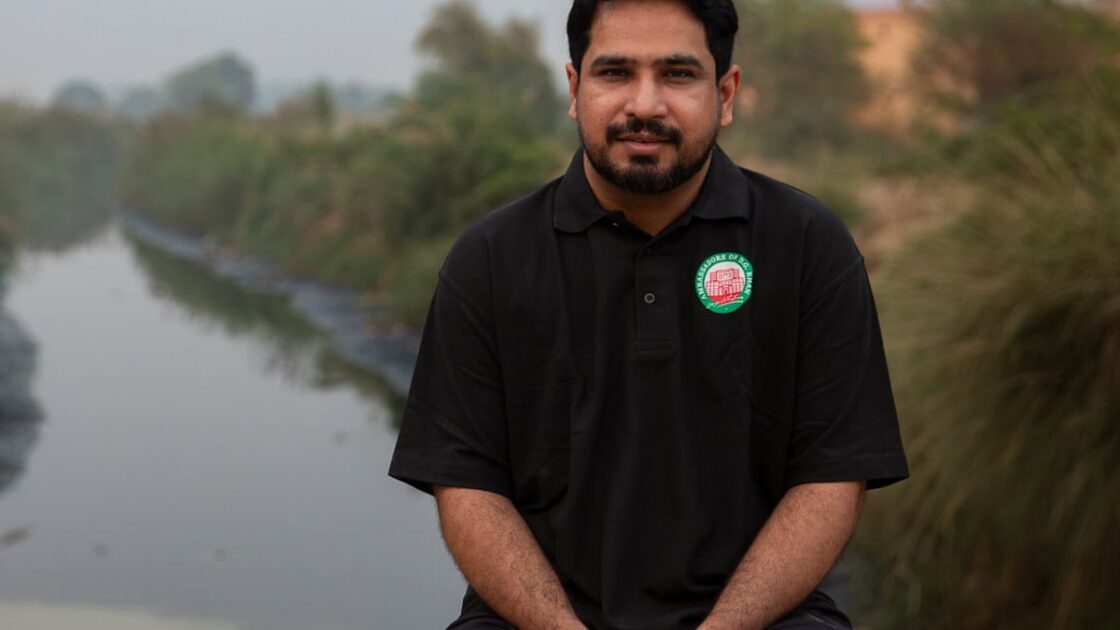
When catastrophic monsoon floods devastated Pakistan, university lecturer Imran Lodhi initially tried to avoid the news while finishing his PhD thesis in Dera Ghazi Khan. However, seeing a photograph of a toddler buried in mud served as a turning point that drove him and a small group of friends to start delivering food to displaced villagers.
Responding to the Crisis
Lodhi recalled that the initial relief effort began with a few friends gathering in a mosque to distribute meals cooked by commercial chefs in nearby villages. The disaster left survivors living under open skies without government aid or emergency camps. Women suffered emotional distress and lacked basic supplies like milk for crying babies, while livestock perished and standing water created a foul odor.
As they posted updates on social media, donations from across Pakistan allowed the relief network to expand from a few villages to the entire region. Lodhi described finding families taking refuge in trees, with elders lying on branches and children placed on makeshift swings while floodwaters surrounded them. Entire villages were destroyed, leaving residents in deep shock.
Facing Personal Threat and Returning to Normal
While suffering from a fever, Lodhi continued his fieldwork until he received news that floodwaters were threatening his own family in a city nearly 100 kilometers away. Cut off by flooded roads, he guided his wife over the phone on how to evacuate before managing to return the following day. Despite feeling unwell, he felt compelled to resume his relief work because his absence would halt the entire network.
Months later, Lodhi witnessed signs of recovery as shops reopened, farmers returned to work, and the smell of local sweets filled the villages. When organizers consulted him about whether to cancel an annual poetry event, he advised them to proceed to help restore a sense of normalcy and survival spirits.