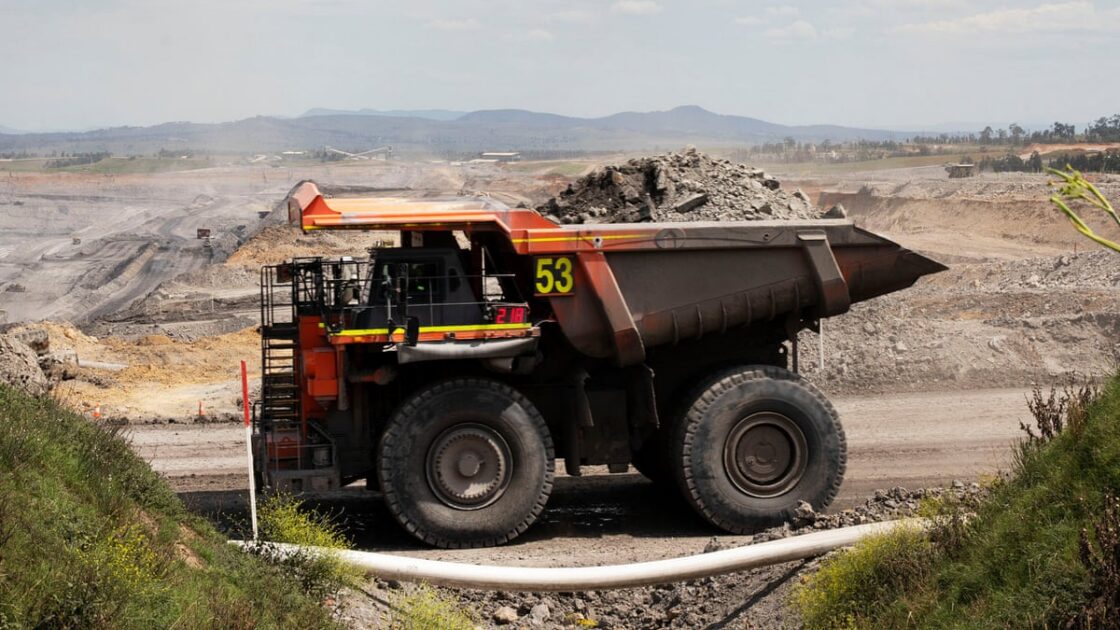
A New South Wales government bill designed to increase coal production at a Hunter Valley coalmine creates a serious corruption risk for the state, according to barrister and anti-corruption campaigner Geoffrey Watson. The state parliament is debating legislation this week to allow MACH Energy to raise output at the Mount Pleasant mine in Muswellbrook by 32% to 16.5 million tonnes per year.
Concerns Over Ministerial Powers
The Minns government introduced the bill last month following a high court ruling that found a previous expansion approval for the mine was invalid. The government stated the legislation is urgently required to prevent 400 job losses at the site ahead of Christmas. However, Watson, the Greens, and crossbench members have warned that a specific provision grants the resources minister unusually broad authority to override other state statutes.
Referred to as a Henry VIII clause, the measure would permit the minister to enact regulations modifying state laws specifically as they apply to the Mount Pleasant development. Watson, who serves as a director for the Centre for Public Integrity and the Grata Fund, as well as a former counsel assisting the NSW Independent Commission Against Corruption (Icac), noted in a legal analysis that the clause concentrates extensive law-making and law-modifying powers into the hands of a single individual for a single private company.
Told Guardian Australia by Watson, historical experience in the state demonstrates that concentrating power in a single decision-maker introduces significant corruption vulnerabilities. He clarified that such corruption does not strictly involve financial exchanges, but also encompasses undue influence and decisions made outside the public interest. Elaine Johnson, director of Johnson Legal, issued a separate legal opinion sharing similar concerns that the clause grants unfettered regulatory powers over laws governing dust, noise, and worker safety.
Parliamentary Debate and Political Reactions
A spokesperson for resources minister Courtney Houssos stated the legislation aims to protect permanent workers at Mount Pleasant and welcomed constructive dialogue with crossbenchers. Police minister and minister for the Hunter Yasmin Catley, who introduced the bill in the lower house, noted on Tuesday that the government sought advice on the Henry VIII clause and trusts its soundness. The lower house is scheduled to debate the bill on Tuesday, with the upper house following later in the week ahead of the expected March 2027 election.
The Coalition indicated it will not oppose the legislation, with Nationals MP and resources spokesperson Dave Layzell emphasizing the necessity of safeguarding jobs. Greens climate spokesperson Sue Higginson described the provision as the broadest Henry VIII clause observed in the current parliament, stating the party will attempt to remove or restrict it. Independent MP Alex Greenwich announced plans to oppose the entire bill, citing the dangerous breadth of the provision and pointing out that parliament will not sit for six months, preventing the disallowance of regulations issued during that period.