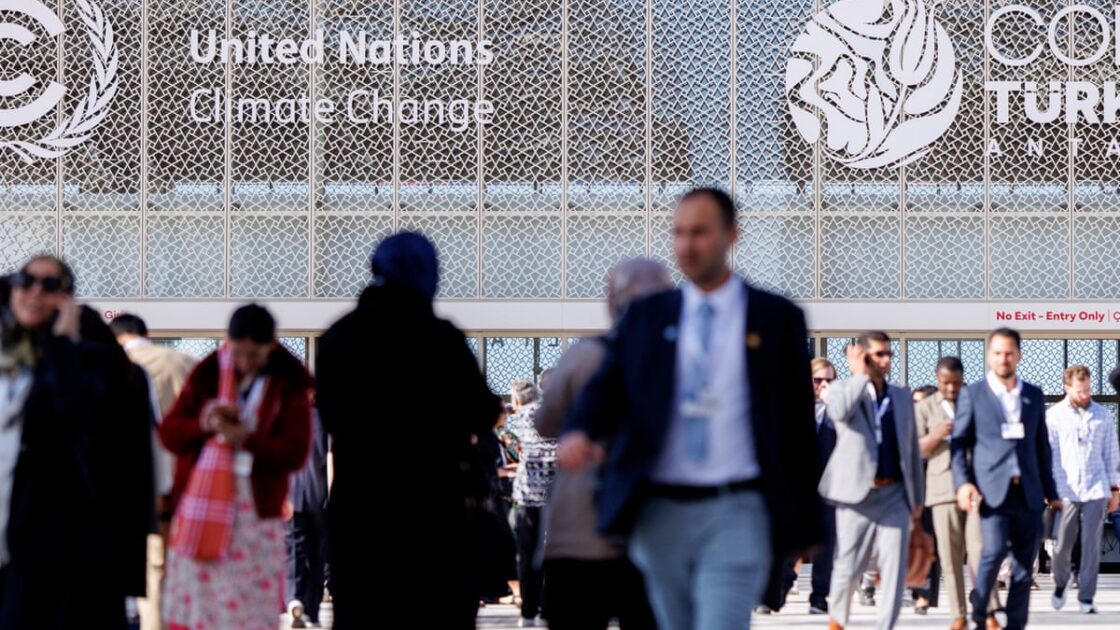
A draft text for a possible final outcome at the Cop31 UN climate summit has been defended by Australia’s president of the talks as an effort to prompt parties into revealing areas of agreement and disagreement. Numerous countries expressed surprise upon receiving the first draft of a potential cover decision early on Monday afternoon, with over four days of negotiations still remaining. The document contains several contentious proposals, such as a call for an immediate transition away from fossil fuels.
Draft Proposals and Competing Positions
According to Australia’s climate and energy minister, Chris Bowen, the release is a deliberate move to discover what delegations can and cannot support. Speaking to the Guardian in an interview, Bowen stated that focusing solely on items with broad agreement would result in an exceptionally thin document. The 18-page draft features 144 separate items, including proposals to limit the overshoot of the 1.5C temperature target set by the Paris climate agreement and to reach a global target of deriving 35 percent of final energy from electricity by 2035, which is a priority for the host nation, Turkey.
Alden Mayer, a senior associate at the E3G thinktank, described releasing the text at this stage as a calculated gamble. He noted that waiting until later in the week would also be risky, adding that the presidency adopted a comprehensive approach knowing that many paragraphs will not survive the week. Meanwhile, Mohamed Adow, director of the Power Shift Africa thinktank, compared the text to an overgrown garden with encouraging green shoots alongside weeds that need removal. Adow praised language detailing a promise to triple funding for poor countries to adapt to extreme weather impacts.
Contested Issues and Financial Disagreements
The cover decision represents only one element of the anticipated outcome, and nations including Russia, Saudi Arabia, the Arab group, and allies have objected to its inclusion. Separate negotiating strands also reveal deep divisions between developed and developing countries, particularly regarding a lack of new financial commitments. Siphesihle Mvundla of the South African environmental justice nonprofit groundWork criticized the current trajectory, pointing out that the global south spends significantly more on debt repayment than it receives in climate finance.
Trade-offs are expected on various items, such as carbon dioxide removal references, which campaigners oppose as a false solution but oil-producing nations demand. Bowen rejected the idea that fossil fuel-producing countries carry more responsibility than consumer nations, emphasizing that all nations share the challenge. Bowen declined to commit Australia, a major coal exporter, to phasing out fossil fuel exports, though he maintained that the country is preparing its economy for a future where global emissions are reduced.