Table of Contents
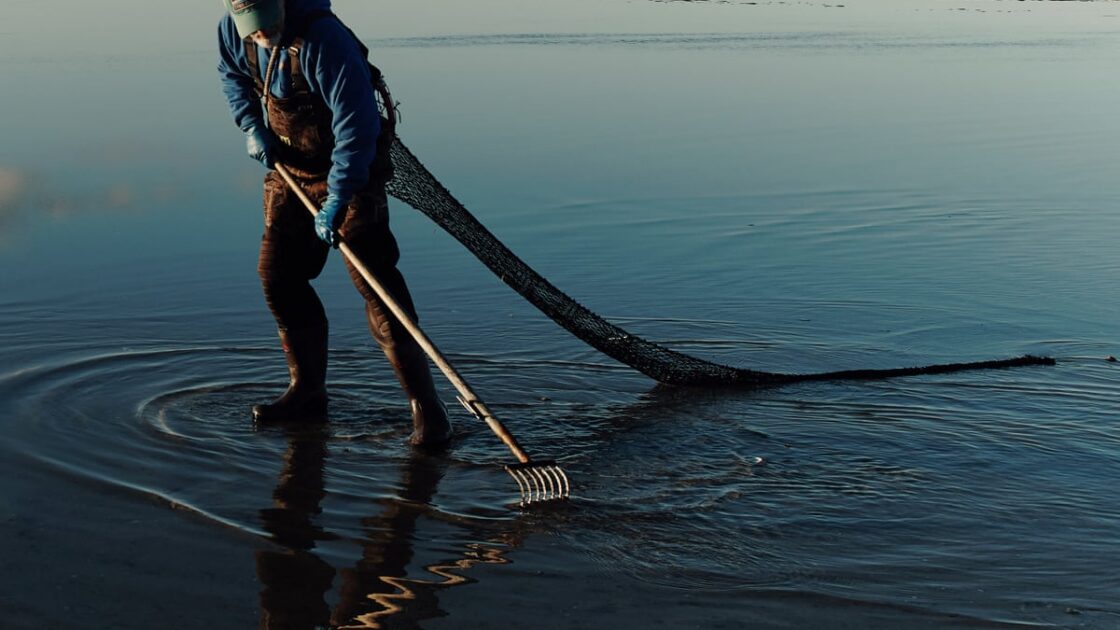
Shellfish harvester Ernie Eldredge discovered an unfamiliar mollusk while working the tidal flats of Chatham, Massachusetts, in 2023. After consulting with marine researchers, it was confirmed to be a Manila clam, an invasive species from the Indo-Pacific that is now establishing a breeding population along the New England coast.
The Arrival of an Invasive Species
The Manila clam is highly adaptable, capable of thriving in various sediments and temperatures. According to Owen Nichols, director of marine fisheries research at the Center for Coastal Studies in Provincetown, the species is one of the most widely cultured shellfish globally. While its arrival on the US east coast remains a mystery, researchers suspect human intervention, noting that the clams may have been intentionally introduced to new areas, similar to previous patterns seen in Europe and the Pacific Northwest.
Carolyn Tepolt, an associate scientist at the Woods Hole Oceanographic Institution (WHOI), noted that the species has been on a watch list for some time. Historically, the clam spread from Asia to Hawaii and western North America in the late 1800s, later being introduced to Europe in the 1970s to supplement native populations. Biologists have since observed that Manila clams can outcompete native species, alter ecosystems, and introduce diseases.
Collaboration Between Harvesters and Scientists
The identification of the Manila clam in Massachusetts was made possible through a long-standing partnership between local fishers and scientists. After Eldredge sent a photograph of the unusual clam to Nichols, researchers began receiving reports from other harvesters across the region, including in Wellfleet and Boston Harbor. In May, a team of researchers, including Nichols and Rachel Hutchinson of the WHOI Sea Grant program, published a journal article confirming a breeding population of the clams in Massachusetts.
This collaboration provides a rare opportunity for scientists to study an invasion in its early stages. By utilizing genetic studies, researchers hope to determine the origin of the clams. Furthermore, the partnership has helped bridge a historical divide between fishers and the scientific community. Hutchinson emphasized the value of this relationship, stating that fishers serve as “science eyes on the ground” who can identify subtle environmental changes that researchers might otherwise miss.
Ecological and Economic Concerns
The presence of the Manila clam has sparked debate among local harvesters regarding its future impact. Some, like fisher Dave Seitler, see potential in the species as an alternative aquaculture product, particularly if native oyster populations face disease. Conversely, Eldredge and other harvesters worry about the risks the invasive species poses to the local ecosystem. Specifically, there are concerns that the clams could displace native quahogs, alter nutrient availability, or act as a vector for parasites like Perkinsus, which has previously devastated native clam populations in the Mediterranean.
Tepolt also raised concerns regarding how the clams might interact with other invasive species, such as green crabs, which could potentially use the Manila clams as a food source. Despite these uncertainties, Eldredge remains cautious about the long-term consequences. While he acknowledges the importance of the scientific research being conducted, he expressed a preference for eliminating the invasive clams rather than establishing a commercial market for them, fearing that economic incentives might encourage their spread.