Table of Contents
Sweeping personnel and budget cuts to the National Oceanic and Atmospheric Administration (NOAA) under President Donald Trump have compromised the nation’s capacity to forecast, research, and respond to extreme weather, according to former government officials and scientists. The warnings arrive as the United States prepares for severe winter hazards driven by a potentially historic El Niño climate event.
Severe Staffing Drops and Operational Disruptions
Since January 2025, NOAA has lost more than 3,000 employees, representing roughly 20% of its total workforce. According to workforce data from the U.S. Office of Personnel Management, this marks the largest staffing decline at the agency in a decade. While thousands of employees left through layoffs, incentivized retirements, or voluntary resignations, NOAA brought on only 525 new hires during the same period, leaving a 2,500-person workforce deficit. Specialized areas were severely affected, with public affairs staff cut by nearly half, IT management reduced by 27%, and more than 500 science roles lost against just 46 new science hires.
The National Weather Service (NWS), housed within NOAA, has faced widespread shortages across its 122 forecast offices. The agency, which processes 6.3 billion daily observations and releases 1.5 million forecasts annually, saw a 10% drop in meteorologists and technical staff entering autumn. Despite efforts to recruit, only 40 meteorologists were added between January and August, forcing some forecast offices to require double shifts to stay open.
Operational limitations have already yielded visible consequences. Weather balloon launches have been delayed or reduced, leaving regions of the Great Plains with less data during tornado events, while warning capabilities were restricted in rural Alaska following floods that displaced over 1,500 residents. A Government Accountability Office (GAO) investigation also determined that the NWS failed to adequately deliver multilingual weather alerts, increasing risks for an estimated 26 million people in the U.S.
Funding Reductions and Research Limits
In addition to workforce losses, the Trump administration terminated dozens of grants, cutting more than $28 million in funding for cities, states, universities, and non-profits, according to calculations by the tracking organization Grant Witness. Grant awards for climate research in fiscal year 2026 dropped 37% below the average recorded between 2021 and 2024. Furthermore, Trump has proposed a $1.6 billion reduction in NOAA funding for the upcoming budget year, which would equal a 26% decrease.
Tom Di Liberto, a former NOAA climate scientist who serves as media director for Climate Central, explained that internal morale has plummeted as staff work under intense pressure. “Imagine being told the number six doesn’t exist and then being asked to do math,” Di Liberto said, describing the challenge scientists face when delivering public forecasts amid administration skepticism toward climate science.
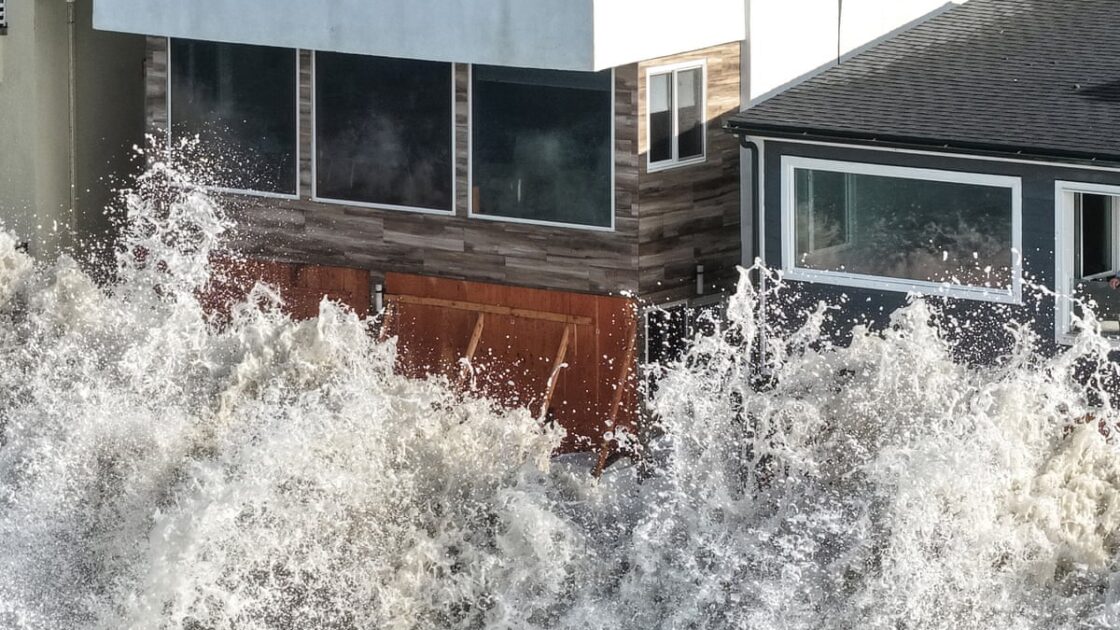
Former officials worry that the reduced capacity leaves the public unprepared for the supercharged storms, high sea levels, debris flows, and flash floods associated with this year’s El Niño. Monica Medina, who served as NOAA’s principal deputy administrator during the Obama administration, expressed concern over the federal government’s ability to protect citizens during major disasters. “I worry about loss of life and about our inability to be protected at a time when we need our government the most,” Medina said. “If this is a real test” of a hotter climate, “we’re going to flunk”.
Global Reach and Ocean Monitoring
The impact of NOAA’s downsizing extends beyond domestic borders, as international forecasters rely on NOAA satellite data and research for disaster coordination in the Caribbean, deforestation tracking in the Amazon, and severe weather monitoring in Europe. A GAO analysis warned that a $6 billion reduction in weather satellite funding could disrupt long-term data collection and create critical coverage gaps.
Research efforts for the ongoing El Niño have also been curtailed compared to previous events. During the last major El Niño a decade ago, NOAA deployed research vessels, aircraft, and weather balloons. By contrast, NPR reported in September that NOAA planned to deploy only a handful of uncrewed watercraft in the Pacific this year. Additionally, funding for the biogeochemical-Argo float program, an international initiative using autonomous devices to monitor ocean health, is set to expire at the end of October.
Addressing these concerns, a NOAA spokesperson stated in an email that the agency is utilizing updated modeling tools and uncrewed systems to study climate conditions efficiently. “NOAA has never been more equipped to study, prepare for and respond to an ENSO event [El Niño southern oscillation event],” the spokesperson said, adding that advanced technology has allowed the organization to streamline its resources.
Former NOAA administrator Rick Spinrad acknowledged that technological advances have enhanced modern forecasting tools, but questioned whether those advancements can be maintained under current policies. Spinrad stated that while technological developments have made the agency more capable than in the past, ongoing administrative cuts raise fundamental questions about whether the nation can sustain those critical forecasting capabilities moving forward.